A south-facing meeting room, a bank of monitors and a full office on a warm afternoon can raise temperatures far faster than most businesses expect. The right air conditioning for Chelmsford offices is not simply about feeling cooler in July. It helps staff concentrate, keeps clients comfortable and gives business owners more control over the working environment throughout the year.
For offices, a poorly chosen system can create new problems: cold draughts over desks, inconsistent temperatures between rooms, excessive running costs or distracting indoor noise. A well-designed installation avoids these issues by matching the equipment and layout to how the premises are actually used.
Why office air conditioning is a business decision
Office temperature affects far more than personal comfort. When a workspace becomes stuffy or overheated, concentration drops and small tasks take longer. Meeting rooms are especially vulnerable, as several people, laptops, screens and poor airflow can quickly make an enclosed space uncomfortable.
Modern air conditioning also provides efficient heating. This makes it a practical option for offices looking to maintain a stable temperature through the colder months without relying entirely on conventional electric heaters. For smaller workplaces, this dual-purpose capability can be particularly useful where the existing heating system is ageing, uneven or expensive to run.
The right approach depends on the building. A compact office with one open-plan area has different requirements from a multi-room practice, retail back office or managed commercial property. Equipment should be selected around occupancy, room size, solar gain, insulation, IT equipment and the way each area is used, not just the floorplan.
Choosing air conditioning for Chelmsford offices
A professional survey is the starting point for any worthwhile installation. It allows an experienced technician to assess the site and calculate the level of cooling and heating required. Choosing a unit based on square footage alone can lead to an undersized system that struggles on hot days, or an oversized one that cycles too frequently and wastes energy.
Split systems for smaller offices
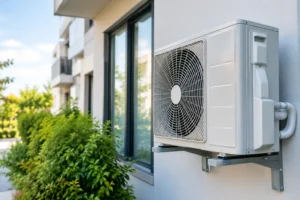
A wall-mounted split system is often an effective solution for a single office, reception area, small shop or meeting room. It consists of an indoor unit and an outdoor condenser, delivering reliable cooling in summer and heating when temperatures fall.
This option can offer excellent value where there is one key area to treat. Positioning still matters. The indoor unit needs to distribute air across the room without blowing directly onto desks, while the outdoor unit must have suitable space, airflow and access for future servicing.
Multi-split systems for several rooms
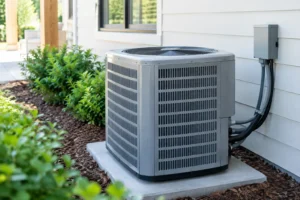
Where separate offices, consultation rooms or meeting rooms need individual temperature control, a multi-split system may be more suitable. Multiple indoor units connect to one outdoor unit, reducing the amount of external equipment required while allowing different parts of the office to be managed independently.
This is useful when one room runs hot due to sunshine or equipment while another is quieter and cooler. It can also prevent the familiar disagreement over a single office thermostat. The trade-off is that design and installation are more involved, so a detailed survey is essential before deciding on capacity and unit locations.
Larger and more complex premises
Larger offices may need a more comprehensive solution, particularly where there are multiple floors, open-plan workspaces or varying occupancy levels. In these cases, zoning is important. It allows specific areas to be conditioned when needed rather than treating the whole building identically.
A system should also be considered alongside ventilation. Air conditioning controls temperature, but it does not automatically replace the need for fresh air. Offices with sealed windows, high occupancy or recurring stuffiness may benefit from a separate ventilation assessment. Addressing both issues creates a more comfortable and healthier environment than cooling alone.
Design details that make a real difference
The equipment is only part of the job. Good workmanship and careful planning have a direct effect on comfort, reliability and appearance.
Indoor units should be located with desks, meeting tables, doors and ceiling height in mind. A unit placed above a workstation may look convenient but can create an uncomfortable cold spot. Pipework and electrical supplies should be planned neatly, with minimal disruption to the workplace and a finish that suits a professional office setting.
Outdoor unit placement also deserves attention. Noise levels, neighbouring premises, available clearance and service access all matter. Although modern systems are designed to run quietly, an outdoor unit should not be positioned without considering adjacent offices, residential neighbours or areas where clients gather.
For landlords and property managers, permissions and lease requirements should be checked early. External alterations, shared buildings and listed or sensitive properties can involve additional considerations. Dealing with these before installation helps avoid delays and ensures the proposed system is appropriate for the premises.
Energy efficiency without compromising comfort
Businesses often worry that air conditioning will significantly increase electricity costs. Older systems and poor settings can do exactly that. However, modern inverter-driven equipment adjusts its output to meet demand rather than constantly switching fully on and off. When properly specified and maintained, it can provide efficient, controlled comfort.
The most cost-effective temperature is usually a sensible, steady one rather than an extreme setting. Trying to turn a hot office into a cold one as quickly as possible puts unnecessary strain on the system and can make the space uncomfortable. Sensible controls, programmed schedules and well-positioned units generally deliver better results.
Simple building measures also support performance. Closing blinds during the strongest sunlight, keeping doors and windows closed while the system is operating, and avoiding blocked indoor units all reduce the workload. These are small actions, but they help the system maintain the desired temperature more efficiently.
Repairs and maintenance keep offices running
An office air conditioning fault rarely arrives at a convenient time. Reduced cooling, unusual noises, water leaks, poor airflow or a unit that will not switch on should be checked promptly. Continuing to run a struggling system can turn a minor issue into a more costly repair and leave staff working in uncomfortable conditions.
Regular maintenance is the practical way to reduce this risk. Filters need cleaning, electrical components need inspection, drainage should be checked and the system’s overall operation should be tested. Neglected filters can restrict airflow and affect indoor air quality, while blocked drains may cause water leaks from indoor units.
For commercial premises, planned maintenance also makes budgeting easier. Rather than waiting for an urgent callout during a heatwave, businesses can keep their equipment in good working order and identify wear before it affects day-to-day operations. The appropriate frequency depends on system use, occupancy and the environment, but offices that run their systems regularly should not treat servicing as an afterthought.
What to expect from a professional installation
A dependable contractor should begin with a free survey and a no-obligation quote that clearly explains the proposed solution. You should know what equipment is being supplied, where units will be positioned, what installation work is included and how the system will be controlled.
Installation should be planned around your business hours wherever possible. For many offices, work can be phased to limit disruption to staff, visitors and normal operations. Once completed, the system should be commissioned correctly and users shown how to operate it efficiently.
Essex Air Conditioning provides installation, repairs and ongoing maintenance for businesses that need straightforward, expert support. The aim is not to sell more equipment than a site needs, but to provide a reliable system that suits the space, budget and working routine.
A comfortable office does not need to be overcooled, noisy or costly to run. Start with a proper assessment of the building and the people using it, then choose a system designed to work quietly in the background while your business gets on with the day.