The first genuinely warm week of the year is a poor time to find out that your air conditioning is not cooling properly. If you are asking, “when should aircon be serviced?”, the practical answer for most homes and businesses is at least once every 12 months, ideally before the warmer months begin.
That annual visit is not simply about keeping the unit clean. Professional maintenance helps your system cool efficiently, maintain healthy airflow, identify wear before it becomes a breakdown and protect the investment you have made in your property. The right interval can vary with how the system is used, so a busy shop, office or server room may need more frequent attention than a lightly used home unit.
When should aircon be serviced?
For a typical domestic split air conditioning system, an annual professional service is the sensible baseline. Spring is often the best time to arrange it, giving an engineer the opportunity to check performance before the unit is working hard through summer. It also means there is time to deal with a developing fault without the discomfort and disruption of an urgent repair.
For commercial premises, servicing every six months is often more appropriate. Systems in offices, salons, restaurants, retail units and shared workspaces can run for many hours each day. They draw in more airborne dust, experience greater component wear and have a more direct impact on staff, customers and day-to-day operations.
There is no benefit in waiting for an aircon unit to fail completely. A system can continue to run while using excessive electricity, delivering weak cooling or placing strain on the compressor. Regular servicing is designed to spot these issues early, when they are usually quicker and more cost-effective to resolve.
The 12-month rule is a starting point, not a limit
How often your aircon needs servicing depends on its environment and workload. A bedroom unit used occasionally during heatwaves may remain in good condition between annual visits, provided its filters are kept clean. A unit used for heating in winter as well as cooling in summer has a longer working season and should not be overlooked once the weather turns cold.
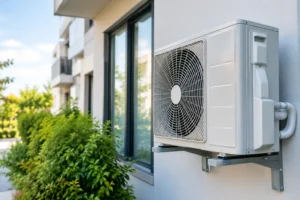
Properties with pets, smokers, open-plan kitchens or high levels of dust may also need closer attention. Dirty filters and indoor coils reduce airflow and can affect indoor air quality. In coastal parts of Essex, salt in the air can increase the risk of corrosion on external equipment, particularly where an outdoor unit is exposed. An engineer can assess these local conditions and recommend a realistic maintenance schedule.
Manufacturer warranty terms are another reason to keep up with servicing. Some manufacturers require evidence of periodic professional maintenance if a warranty claim is made. Keeping service records provides a clear history of how the system has been looked after.
Signs your aircon needs servicing sooner
Annual maintenance should be planned, but certain signs call for a service visit sooner. Ignoring them can turn a minor performance issue into a more expensive repair.
- The unit is taking longer than usual to cool or heat the room.
- Airflow from the indoor unit feels weak, uneven or noticeably warmer than expected.
- You can smell dampness, stale odours or burning when the system runs.
- The unit is making new noises, such as rattling, buzzing, clicking or grinding.
- Water is dripping from the indoor unit or pooling around it.
- Energy bills have increased without an obvious change in how the system is being used.
- The system switches itself off, displays an error code or trips the electrical supply.
A musty smell is particularly common when filters, coils or the condensate drain need cleaning. Left unresolved, moisture and debris can encourage microbial build-up inside the unit. Water leaks should also be dealt with promptly, as a blocked drain can damage walls, ceilings, flooring or furnishings.
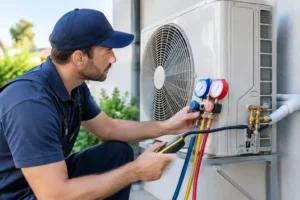
Reduced cooling does not automatically mean the system needs refrigerant. Refrigerant circuits are sealed, so a low charge can indicate a leak that needs proper diagnosis and repair by a qualified engineer. Simply adding refrigerant without identifying the cause is not a lasting solution.
What a professional aircon service should include
A proper service is more than a quick filter clean. The exact checks will depend on the type, age and layout of the system, but an experienced engineer will inspect the indoor and outdoor units, assess overall operation and look for early signs of failure.
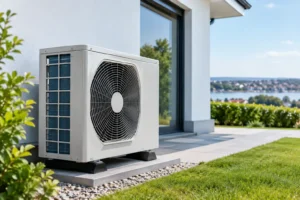
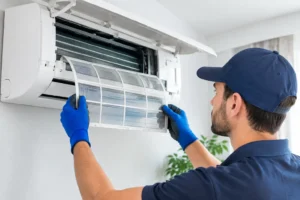
Filters are cleaned or replaced where required, helping the unit move air freely. The indoor coil, fan and condensate drain are checked for dirt, blockages and signs of moisture problems. The outdoor condenser is inspected to make sure it can release heat effectively and has not become obstructed by leaves, dirt or stored items.
The engineer should also check electrical connections, controls, pipework, insulation and the system’s cooling or heating performance. Any unusual noise, vibration or fault code can then be investigated while the issue is still manageable. Where refrigerant work or leak checks are required, this must be carried out by appropriately qualified personnel in line with relevant regulations.
For business owners and facilities managers, planned maintenance creates a useful service record and helps forecast repair needs. It is a practical way to reduce avoidable downtime in areas where a comfortable indoor temperature matters to employees, visitors, stock or equipment.
What you can do between services
Professional servicing cannot be replaced by DIY maintenance, but a few routine checks will help the system perform better between visits. The most useful task is cleaning the removable indoor filters in accordance with the manufacturer’s instructions. During periods of regular use, this may be needed every few weeks rather than once a year.
Keep the area around the outdoor unit clear. Garden furniture, bins, vegetation and debris can restrict airflow, making the aircon work harder. Avoid covering the unit while it is operating, and do not use harsh chemicals or pressure washers on delicate coils.
Inside, pay attention to changes in sound, smell and performance. A quick response to a small leak or unusual noise is generally far less disruptive than waiting for a complete loss of cooling. If the unit is not operating normally, switch it off and arrange an inspection rather than repeatedly restarting it.
Choosing the right time to book aircon maintenance
The best time to book is before demand peaks. For most households, that means late winter or spring. For commercial properties with systems that support heating and cooling, an autumn check can also be worthwhile, especially after a busy summer season.
Do not assume a recently installed system can be forgotten about. Newer aircon is usually efficient and reliable, but it still needs filters, drainage, airflow and electrical components checked. Early maintenance establishes a clear baseline for performance and helps keep the system operating as intended.
If your property has several indoor units, a maintenance plan can be more efficient than arranging individual call-outs. It allows servicing to be scheduled around opening hours, tenants or household routines, with a consistent record for every unit.
A dependable service plan protects your comfort
Air conditioning should quietly do its job: keeping rooms comfortable, supporting clean airflow and responding when you need it. Once it starts struggling, the effect is felt quickly, whether that is an uncomfortable bedroom, a warm office or customers leaving a stuffy shop.
For homeowners and businesses across Essex, arranging annual servicing before summer is the simplest way to stay ahead of avoidable faults. Essex Air Conditioning can assess the usage and condition of your system, then provide clear advice on the maintenance interval that makes sense for your property. Booking before performance drops gives you the best chance of reliable comfort when the temperature rises.