That spare bedroom that turns into an oven by late afternoon, the loft conversion you avoid in July, the home office that never feels comfortable – this is usually the point where people start looking for a proper guide to domestic air conditioning. The right system does far more than cool a room. It can improve sleep, support better working conditions at home, and provide efficient heating through colder months too.
For most households, the challenge is not deciding whether comfort matters. It is working out which system suits the property, what it will cost to run, and whether installation will be straightforward. A good decision comes down to room size, insulation, layout, noise expectations and how you plan to use the system day to day.
What this guide to domestic air conditioning should help you decide
Domestic air conditioning is no longer just for large homes or high-end projects. Modern systems are compact, efficient and much more practical than many people expect. In homes across Essex, they are often installed in bedrooms, lounges, garden rooms, loft conversions and home offices where heat build-up becomes a regular problem.
The first thing to understand is that there is no single best system for every home. A unit that works well in an open-plan kitchen diner may be the wrong choice for a small bedroom. Likewise, a landlord fitting out a rental property may prioritise durability and simple controls, while a homeowner may place more value on low noise and discreet appearance.
The main types of domestic air conditioning
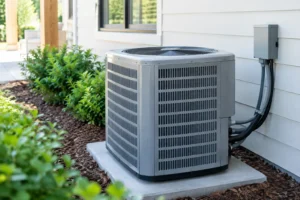
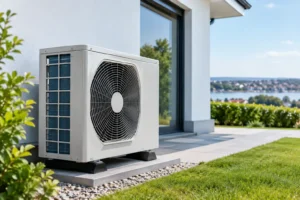
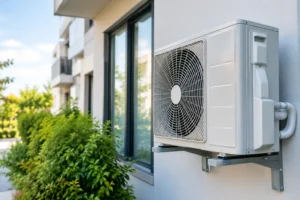
For most homes, fixed split systems are the most common option. These use an indoor unit mounted on a wall and an outdoor condenser connected by pipework. They are popular because they offer strong performance, reliable temperature control and efficient operation. In many cases, they also provide heating, which increases their value beyond the summer months.
Multi-split systems are similar, but allow several indoor units to connect to one outdoor unit. This can be useful if you want to cool multiple bedrooms, or a combination of living and working spaces, without cluttering the outside of the property with separate condensers. The trade-off is that design and installation are more complex, so planning matters.
Ducted systems are less common in standard UK homes but can work well in larger properties or major renovations. They offer a more concealed finish because air is distributed through ducts and vents rather than visible wall units. They look excellent when planned properly, but installation costs are usually higher and they are not always practical in existing homes.
Portable units tend to attract attention because they appear cheaper and easier. In reality, they are often noisier, less efficient and less effective than fixed systems. They may serve as a short-term solution, but they rarely match the comfort, performance or running economy of professionally installed air conditioning.
How to choose the right system for your home
The biggest mistake people make is assuming bigger means better. An oversized unit can cool a room too quickly without properly managing humidity, which leaves the space feeling less comfortable. A unit that is too small, on the other hand, will work too hard and struggle in peak temperatures.
Correct sizing depends on more than square footage. Ceiling height, glazing, orientation, insulation levels and how the room is used all make a difference. A south-facing room with large windows and poor shading will behave very differently from a shaded bedroom in the centre of the house.
Noise is another factor that deserves more attention than it usually gets. In bedrooms and home offices, quiet operation matters. The difference between a suitably specified unit and a cheaper, less refined model can be noticeable, especially overnight or during calls and meetings.
Appearance also plays a part. Some customers want the most discreet indoor unit possible. Others are more concerned with performance and budget. Neither approach is wrong, but it is better to be clear from the start rather than compromise after installation has begun.
Running costs and efficiency
One of the most common concerns is whether domestic air conditioning will be expensive to run. The honest answer is that it depends on the system, the property and how it is used. Modern inverter-driven units are far more efficient than many people assume, particularly when correctly sized and professionally installed.
If you are cooling one or two key rooms rather than the whole house, costs can be very reasonable. This is why many homeowners start with the main bedroom or home office. You do not always need to condition every room to make the property feel significantly more comfortable.
Systems that also provide heating can offer good year-round value. During spring and autumn, or on milder winter days, air conditioning can be an efficient way to heat a room quickly. That said, performance still depends on choosing the right equipment and using sensible temperature settings rather than running the system harder than necessary.
Installation: what to expect
A professional survey should come first. This is where a contractor assesses the rooms, access routes, outdoor unit location, power requirements and pipe runs. It is also the right time to discuss aesthetics, drainage and any planning considerations. In most homes, installation is straightforward, but it should never be treated as a one-size-fits-all job.
A standard single-room split installation can often be completed with limited disruption, depending on the property. More complex multi-room systems take longer and require more detailed planning. If you live in a flat, leasehold property or conservation-sensitive area, additional checks may be needed before work begins.
Outdoor unit placement deserves careful thought. It needs adequate airflow and practical access for future servicing. It should also be positioned with neighbours and noise considerations in mind. A good installer will not just look for the quickest place to mount it. They will look for the right place.
For homeowners in Essex, where housing stock ranges from newer estates to older semis and loft conversions, local experience matters. An installer familiar with the area is more likely to anticipate common access issues, property layouts and practical fitting challenges before they become delays.
Maintenance and long-term reliability
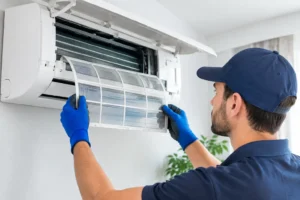
Any useful guide to domestic air conditioning should be clear on this point: maintenance is not optional if you want the system to stay efficient and dependable. Filters need cleaning, components need checking, and refrigerant performance needs to be monitored over time.
A neglected system can lose efficiency, develop faults and deliver poorer air quality. In some cases, the early signs are easy to miss. The unit still runs, but it takes longer to cool, sounds rougher, or starts producing odours that were not there before.
Regular servicing helps protect your investment and reduces the chance of avoidable breakdowns in the middle of a hot spell. For landlords and property managers, it also helps demonstrate that the equipment is being properly looked after. For homeowners, it is usually the simplest way to keep running costs and repair risks under control.
Common buying mistakes to avoid
The cheapest quote is not always the best value. Lower pricing can reflect lower-grade equipment, weak design, rushed installation or limited aftercare. Air conditioning should last for years, so the quality of installation matters just as much as the badge on the unit.
Another mistake is focusing only on peak summer cooling. If the system offers efficient heating too, that changes the value calculation. A slightly higher upfront spend can make far more sense when the equipment supports comfort across multiple seasons.
People also underestimate controls. Straightforward timers, app control and zoning can make a real difference to day-to-day use. If a system is awkward to operate, it often gets used less effectively than it should.
Finally, do not ignore aftercare. Repairs, servicing and support are part of the full package. A dependable local contractor such as Essex Air Conditioning can offer practical continuity from survey through installation to ongoing maintenance, which is often worth more than a marginal saving at the start.
Is domestic air conditioning worth it?
If your home regularly overheats, if you work from home, or if certain rooms become difficult to use for part of the year, air conditioning is often worth serious consideration. It is not only about comfort on the hottest days. It is about making the rooms you already have usable, predictable and more pleasant throughout the year.
The right approach is to start with how you live in the property. Which room causes the most frustration? When is it uncomfortable? Do you want cooling only, or cooling and heating? Once those answers are clear, the specification becomes much easier.
A well-chosen system should feel like a practical upgrade, not a luxury you regret. When it is correctly sized, properly installed and maintained over time, domestic air conditioning can be one of the most effective ways to improve comfort at home without overcomplicating the property.
If you are weighing up the options, the best next step is not to guess from brochure claims or online prices. It is to get clear advice based on your actual rooms, your actual usage and what will work reliably in your home for years to come.