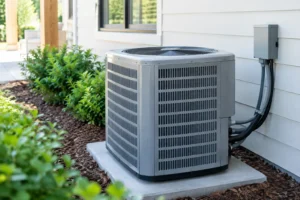
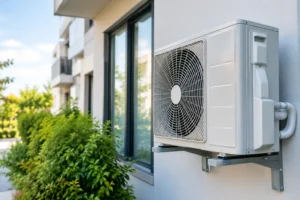
A failed air conditioning system rarely picks a convenient moment. It goes down on the hottest trading day of the month, during a full office week, or just before an inspection when comfort and ventilation matter most. That is why business aircon maintenance plans are not just a nice extra for commercial sites. They are a practical way to reduce disruption, protect equipment and keep running costs under control.
For many businesses, the real question is not whether maintenance is needed. It is what kind of plan makes sense for the building, the system and the way the space is used. A small salon with one wall-mounted unit does not need the same support as a restaurant, retail premises or multi-room office. The best plan is the one that matches your risk, your usage and your budget.
What business aircon maintenance plans usually cover
A proper maintenance plan should do more than tick a compliance box. At its core, it is a scheduled service agreement designed to keep air conditioning systems working safely and efficiently over time.
In most cases, that includes routine inspections, filter cleaning or replacement, checks on refrigerant levels, testing electrical components, examining coils and condensate drains, and confirming the system is cooling and operating as it should. Technicians should also look for signs of wear that could lead to future faults, such as loose connections, unusual noise, poor airflow or early component failure.
Some business aircon maintenance plans also include priority response for breakdowns, discounted repair rates or agreed call-out terms. That added support can be valuable if downtime affects staff comfort, customer experience or sensitive stock.
The detail matters here. One plan may look cheaper on paper but include very little beyond a basic annual visit. Another may offer a more complete service with multiple inspections a year and stronger breakdown support. The difference only becomes clear when a fault appears in the middle of a busy period.
Why planned maintenance saves money
Businesses often compare the cost of a plan with the cost of doing nothing. That is the wrong comparison. The better comparison is between planned maintenance and reactive repair.
Reactive repair usually costs more over the long term because faults are allowed to develop. A blocked filter can strain the system. A dirty coil can reduce efficiency. A small electrical issue can become a major component failure. None of those problems start expensive, but they can end that way.
There is also the cost you do not see on the engineer invoice. When a shop floor is too warm, customers spend less time inside. When an office is uncomfortable, productivity drops. When a server room or specialist environment loses cooling, the financial risk rises quickly. Even a short interruption can have a wider effect than the repair bill alone suggests.
Regular servicing helps systems run more efficiently, which can reduce energy waste. It can also help extend equipment life. Replacing a commercial air conditioning system is a far bigger expense than maintaining one properly.
How often should a commercial system be serviced?
This depends on the site and the workload. There is no honest one-size-fits-all answer.
A lightly used unit in a small office may need less attention than systems running all day in a busy retail or hospitality environment. Premises with higher footfall, longer opening hours, kitchens, dust, or stricter temperature demands usually need more frequent checks. If the system provides year-round heating and cooling, that also increases wear.
For many commercial properties, two visits a year is a sensible starting point. That often allows one service before summer demand and another check later in the year. Some sites need quarterly maintenance, particularly where comfort, uptime or air quality are business critical.
A good contractor will not simply push the highest frequency available. They should assess the equipment, the building use and the level of risk, then recommend a plan that reflects real need.
Choosing the right business aircon maintenance plans
When comparing plans, it helps to think beyond the headline price. The cheapest option is not always the most cost-effective, especially if it leaves you exposed to delays, repeat issues or avoidable repairs.
Start with the basics. How many visits are included each year? What exactly happens during those visits? Are filters, drains, electrics and performance checks covered properly, or only briefly reviewed? If your system includes multiple indoor units and outdoor condensers, check whether the quoted price reflects the full setup.
Then look at response. If the system fails, do plan customers receive priority attendance? Are repairs billed separately? Are there agreed labour rates? For many businesses, that part of the plan matters as much as the scheduled servicing.
It is also worth asking how records are handled. Clear maintenance reporting makes life easier for property managers and business owners. You should be able to see what was inspected, what work was carried out and whether any follow-up action is advised.
Finally, consider the contractor. Experience with commercial systems matters. So does reliability. A maintenance plan only has value if the company behind it turns up when expected, communicates clearly and gives straightforward advice.
What a good maintenance visit should achieve
A maintenance visit should leave you with more than a cleaned unit and a service sheet.
You should come away with a clearer view of system condition, any signs of reduced performance and whether anything is likely to need attention before the next visit. Good engineers do not wait for a full failure if a fan motor is starting to show wear or a drain issue is developing. They flag it early so you can deal with it on your terms, not during an emergency.
The visit should also restore performance where poor maintenance has started to hold the system back. Dirty filters and coils, minor drainage problems and airflow restrictions can all affect cooling quality. Once corrected, the system often runs more effectively and with less strain.
For business owners and facilities teams, that practical visibility is one of the strongest reasons to have a plan in place. It turns guesswork into a managed process.
Common mistakes businesses make
One of the most common mistakes is waiting until the system shows obvious signs of trouble. By that stage, efficiency may already be down and internal wear may already be building.
Another is assuming all maintenance plans are much the same. They are not. Some are designed to deliver genuine preventative support. Others are little more than an annual check with limited value.
Businesses also sometimes overlook usage changes. If you extend opening hours, refit the premises, add heat-generating equipment or start using the system all year, your original maintenance schedule may no longer be suitable.
There is also a tendency to focus only on immediate cost. That is understandable, especially for smaller businesses, but air conditioning should be treated like any other important building service. If it supports staff, customers or core operations, it deserves a proper maintenance strategy.
When a tailored plan makes more sense
Standard plans can work well for straightforward sites, but some buildings need a more tailored approach. Mixed-use premises, properties with older equipment, or sites with several different system types often benefit from a maintenance schedule built around their actual layout and usage.
That is particularly relevant for businesses across Essex where property types vary widely, from compact high street units to larger offices and multi-zone commercial spaces. A contractor who understands local commercial stock can often spot where a standard package may fall short.
This is where a free survey and direct advice become useful. Rather than forcing your system into a generic plan, the right contractor should assess what is installed, how it is being used and where the risks sit. Essex Air Conditioning takes that practical approach because it leads to better long-term results for the customer, not just a quicker sale.
Is a maintenance plan worth it for smaller businesses?
In many cases, yes.
Smaller businesses sometimes assume maintenance plans are mainly for large commercial premises, but a single failed unit can have a disproportionate impact in a smaller space. If you run a clinic, salon, office, café or shop, one breakdown may affect the whole environment.
A smaller site may not need the most comprehensive package available, but it still benefits from regular servicing and access to dependable support. The key is choosing a plan that fits the scale of the system rather than paying for cover you are unlikely to use.
That balance matters. Good maintenance is not about overspending. It is about spending wisely to avoid larger costs later.
The strongest business aircon maintenance plans do one simple job well. They keep your system dependable, efficient and far less likely to let you down when you need it most. If your air conditioning supports your staff, your customers or your day-to-day operation, treating maintenance as an afterthought is usually the expensive option.