The system that sounds quiet in a showroom can feel very different at 2am in a bedroom. That is usually where the search for the best quiet aircon for home starts – not with cooling power alone, but with the need to sleep, work, or relax without a constant hum in the background.
If noise matters to you, the right choice is rarely the cheapest unit on a spec sheet. It comes down to how the system is designed, where it is fitted, how hard it needs to work, and whether it suits the room properly. A quiet result is not just about buying an air conditioner with a low decibel figure. It is about choosing the right type of system and having it installed well.
What makes the best quiet aircon for home use?
For most homes, the quietest option is a modern fixed split system from a reputable manufacturer. These systems separate the noisy components between an indoor unit and an outdoor condenser, which immediately reduces indoor noise compared with portable air conditioners. In practical terms, that means you hear a soft fan and airflow indoors rather than the full mechanical effort of the unit.
Wall-mounted split systems are the most common choice because they balance quiet operation, strong performance, and sensible running costs. In bedrooms, home offices, and lounges, a well-sized split system can run quietly enough to fade into the background once the room reaches temperature.
If you want an even more discreet finish, ducted systems can be quieter in the living space because the fan coil is hidden away and air is distributed through grilles. That said, ducted air conditioning is a larger investment and not always the right answer for every property. In a typical house or flat, a premium split system often gives the best mix of quiet performance and value.
Why portable units rarely count as the best quiet aircon for home
Many buyers start with portable air conditioners because they seem simple. No major installation, lower upfront cost, and easy to move from room to room. The trade-off is noise.
A portable unit keeps the compressor and fan in the same room as you. Even when manufacturers describe them as quiet, they are usually much louder than a fixed split system in real use. That may be acceptable in a spare room or for short-term cooling, but it is rarely ideal for light sleepers, nurseries, studies, or living rooms where comfort matters every day.
There is also an efficiency issue. Portable units often have to work harder, particularly in warmer weather, which means more noise for longer periods. If your priority is genuinely low noise at home, they are usually a compromise rather than the best solution.
The numbers matter, but only up to a point
Most people look at decibel ratings first, and that is sensible. Lower numbers generally mean quieter operation. But decibel figures can be misleading if you do not know what you are comparing.
Manufacturers often quote noise levels at the lowest fan speed. That can be useful, but it does not always reflect how the unit will sound on a warm afternoon when it is working harder. A system rated very quietly on paper may still become noticeable if it is undersized or installed in a way that makes it run constantly at higher output.
The character of the sound matters too. A soft, steady airflow is usually less intrusive than vibration, rattling, or compressor cycling. This is why build quality and installation standard are just as important as the published specification.
As a general guide, premium residential split systems often operate at very low indoor noise levels on low fan settings, making them well suited to bedrooms and offices. But the best result comes from matching the unit to the room, not chasing the lowest number in isolation.
Which aircon type suits each room?
Bedrooms need the quietest performance because background noise is far more noticeable overnight. A properly sized wall-mounted split system with a night or silent mode is usually the strongest option. Oversized units can cycle on and off too aggressively, while undersized units may run too hard, so correct sizing matters more than many homeowners realise.
In a home office, quiet airflow and stable temperature are usually the priority. If you are on calls throughout the day, you want a unit that holds comfort without ramping up noisily every half hour. Again, a quality split system is often the best fit.
For larger open-plan spaces, the answer depends on layout. One larger split system may be enough, but in some homes two smaller, well-positioned units create a better and quieter outcome because each unit works less aggressively. In higher-end projects, ducted air conditioning can offer the most discreet finish, especially where visual appearance and low ambient noise both matter.
Quiet performance depends heavily on installation
This is the part many buyers miss. Even the best equipment can sound disappointing if it is installed poorly.
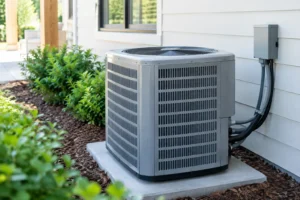
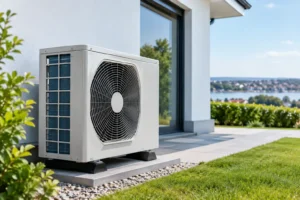
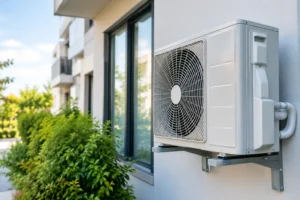
Indoor units need careful positioning. If a unit is fitted directly above the bed, sofa, or desk, you are more likely to notice fan noise and airflow. Outdoor units also need thought. If the condenser is mounted on unsuitable brackets, too close to a neighbouring boundary, or against a part of the building that transmits vibration, the whole system can seem louder than it should.
Pipe runs, fixings, condensate routing, and commissioning all influence how refined the final installation feels. A quiet air conditioning system should sound controlled, not makeshift. That is one reason a proper survey is worth having before any recommendation is made.
In Essex homes, this can be especially important where space is tighter, neighbouring properties are close, or a customer wants cooling in a loft conversion, garden office, or compact bedroom. The unit itself matters, but the installation approach is what turns a good product into a genuinely quiet result.
Features worth paying for if noise is your priority
Not every premium feature is essential, but some are genuinely useful if you want quieter day-to-day operation.
Inverter technology is one of them. Rather than constantly stopping and starting, inverter-driven systems adjust output more smoothly. That usually means steadier temperatures, lower running costs, and less intrusive noise.
Silent or night modes can also help, particularly in bedrooms. These settings reduce fan speed and soften operation during sleeping hours. Good filtration and sensible airflow control are worth having too, because comfort is not just about temperature. Draughty, badly directed air can make a room feel less comfortable even if the system is technically quiet.
Wi-Fi controls are not directly about noise, but they can still help. If you cool a room before bedtime or before arriving home, the unit does not need to work as hard when you are in the space, which often keeps operation quieter.
Cheap vs premium systems
There is no point pretending every home needs the most expensive model on the market. Some mid-range systems perform very well and offer excellent value. But if low noise is high on your list, premium brands tend to justify their price.
The difference is often in motor quality, fan design, casing construction, and control logic. Better systems usually sound more refined, especially at low and medium speeds where people spend most of their time. They also tend to hold performance better over the years when maintained properly.
That does not mean you should buy on brand name alone. The best choice is the one that suits your room size, usage pattern, and budget, then gets installed by an experienced contractor who will size and position it correctly.
What to ask before you buy
If you are comparing quotes, ask what the indoor and outdoor noise levels are in real operation, not just on minimum settings. Ask whether the unit is properly sized for the room and whether there are quieter alternatives if the space is mainly used for sleeping or working.
It is also worth asking where the outdoor unit will go and how vibration will be managed. A trustworthy installer should be able to explain this clearly. If they focus only on cooling capacity and price, that is a sign the quieter details may be getting overlooked.
For homeowners who want dependable advice rather than guesswork, a professional survey is the best starting point. Companies such as Essex Air Conditioning will assess the property, room use, layout, and practical installation options before recommending a system.
The best quiet aircon for home use is the one you barely notice once it is running. If the system is well matched to the room and installed with care, comfort should feel effortless, whether you are sleeping through a humid night or trying to keep your home office cool and calm on a warm afternoon.