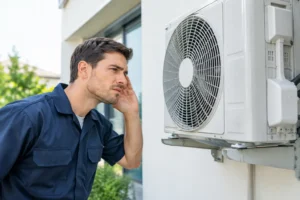
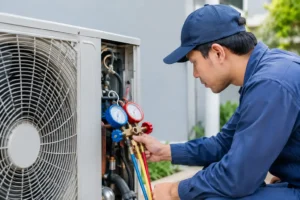
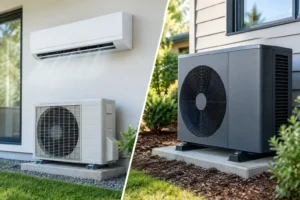
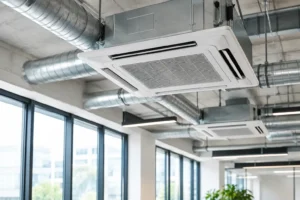
A quiet air conditioning system should fade into the background. When it starts rattling during the night, buzzing above a meeting room or making a sharp squealing sound as it starts up, it is understandably hard to ignore. Aircon noise causes range from a loose panel or blocked filter to worn components that need prompt professional attention. The sound, when it occurs and whether performance has changed all help identify how urgent the issue may be.
Some operating noise is normal. You may hear a gentle flow of air, a low fan sound and the occasional click as the system starts or stops. What is not normal is a sudden change in volume, a repeated banging noise, vibration through a wall, or a sound accompanied by weak cooling, water leaks or an unusual smell. Addressing the problem early can protect comfort, avoid disruption and help prevent a smaller repair becoming a more expensive one.
Common aircon noise causes
Rattling and vibration
Rattling is often one of the more straightforward faults. Over time, screws, casing panels, pipe clips or mounting brackets can loosen as the system runs. A wall-mounted indoor unit may vibrate against an uneven fixing surface, while an outdoor condenser can transfer vibration into a loose base, fence or nearby wall.
Leaves, small stones and other debris around an outdoor unit can also create a rattle, particularly in exposed locations. If the noise is only heard in windy weather, it may be a panel, cover or nearby object moving rather than an internal mechanical fault.
Although a loose panel may sound minor, persistent vibration should still be checked. It can place additional strain on pipework and connections, and it is worth ensuring the unit remains securely installed. A technician can inspect the mounting, tighten the correct fittings and confirm that vibration-isolating feet or brackets are doing their job.
Buzzing or humming
A soft hum from an operating air conditioner is expected. A louder buzz, especially one that begins suddenly, can point to a number of issues. Dirty filters restrict airflow and can make the system work harder. A build-up of dirt on the indoor coil, outdoor coil or fan can have a similar effect.
Electrical components may also be responsible. A failing capacitor, loose electrical connection or contactor can create a pronounced buzzing sound. These parts should not be investigated by removing electrical covers yourself. Air conditioning equipment carries electrical risks, and incorrect handling can cause further damage.
Outdoor units can also hum loudly if a fan motor or compressor is under strain. If the unit is buzzing but not cooling properly, trips the power supply, or produces a burning smell, switch it off and arrange a professional inspection without delay.
Squealing or screeching
A high-pitched squeal is not a sound to leave for later. In some systems it can be caused by a worn fan motor bearing or a fan assembly that is no longer running freely. On equipment with belts, a worn or slipping belt can create a squealing noise, although many modern split systems do not use them.
The key question is whether the sound is brief or continuous. A short sound at start-up may have a different cause from a persistent screech while the unit is running. Either way, continued operation can accelerate wear on the fan motor and reduce airflow. Turning the system off and booking a repair is usually the sensible option.
Banging, knocking or clanking
Banging and clanking are usually signs of a mechanical issue. A fan blade may be striking a loose object or damaged guard. Internal components can work loose, and worn mounts may allow the compressor or motor assembly to move more than it should.
This noise may be more obvious from an outdoor condenser, but it can also come from an indoor fan coil unit. Do not put your hand through a grille or attempt to straighten a moving fan. Isolate the system if it is safe to do so, keep the area clear and have the equipment assessed.
In commercial premises, unusual banging can quickly become disruptive for staff and customers. It may also indicate a fault that could lead to a complete loss of cooling if ignored. A responsive repair visit is normally more cost-effective than waiting for the system to fail at the busiest point of the year.
Clicking sounds
A single click when an air conditioning system starts or stops is commonly normal. It can be the thermostat, relay or control system responding to a temperature change. Repeated clicking, however, is different. It may indicate a control board issue, a failing relay, a loose connection or a component struggling to start.
If the system repeatedly clicks without starting, or starts and stops every few minutes, avoid continually resetting it. Frequent short cycling can increase energy use and place undue pressure on the compressor. A qualified engineer can test the controls, electrical components and refrigerant performance to find the cause.
Hissing, bubbling or gurgling
A faint hiss can sometimes be heard as refrigerant moves through the system, particularly shortly after start-up. Persistent hissing, bubbling or gurgling deserves more attention. It can indicate a refrigerant leak, a restriction in the refrigerant circuit or, in some cases, drainage issues.
Refrigerant faults affect cooling capacity and efficiency. You may notice that rooms take longer to cool, temperatures fluctuate or ice forms on pipework or coils. Refrigerant work must be carried out by appropriately qualified professionals, who can locate the fault, repair it correctly and test the system before returning it to service.
Gurgling from an indoor unit may instead be linked to condensate drainage. A partially blocked drain line or poorly routed pipe can allow water to collect and make noise. Left unresolved, this can result in water leaks, ceiling damage or mould around the unit.
When an aircon noise needs urgent attention
Not every unusual sound means the system is about to fail, but certain warning signs should move repair higher up the list. Turn the unit off and seek assistance promptly if you notice a burning smell, smoke, visible sparking, a tripping circuit breaker, a loud grinding sound, water leaking near electrical components, or a sharp drop in cooling performance.
It also pays to act quickly where the noise is getting louder or more frequent. A small rattle can be simple to resolve, while a damaged fan blade or failing motor can cause wider damage if allowed to continue. For landlords and business owners, early action also helps maintain a comfortable, reliable environment for tenants, employees and visitors.
What you can check safely before booking a repair
There are a few sensible checks that do not involve dismantling equipment. First, note where the sound is coming from: the indoor unit, outdoor unit, pipework or a ventilation grille. Then note when it happens, such as at start-up, only during cooling, in high fan mode or when the weather is particularly windy.
Check that the air filter is clean if your unit is designed for user removal, following the manufacturer’s guidance. A dirty filter is a common contributor to poor airflow and increased fan noise. Keep the area around the outdoor unit clear of leaves, garden waste and stored items, leaving enough space for air to circulate.
Do not remove covers, touch wiring, bend fins or attempt to add refrigerant. These actions can create a safety risk and may turn a straightforward fault into a more involved repair. Clear observations are more useful than guesswork and help an engineer diagnose the issue efficiently.
Preventing noise problems with routine maintenance
Air conditioning maintenance is not just about keeping a unit clean. It allows wear, loose fixings, drainage concerns and declining electrical components to be identified before they become disruptive. Filters, coils and condensate drains can be cleaned; fan operation and mounting points can be checked; and the system can be tested for safe, efficient performance.
The right maintenance frequency depends on how heavily the equipment is used and the environment it operates in. A lightly used home system may need a different schedule from a busy office, retail space, server room or rental property. Systems exposed to dust, cooking residues or high occupancy may require more frequent attention.
For customers across Essex, a professional inspection also provides reassurance that the system is operating as it should before hot weather places greater demand on it. Essex Air Conditioning can assess unusual sounds, identify the underlying fault and advise on the most practical repair or maintenance solution.
An air conditioner does not need to be completely silent, but it should sound consistent, controlled and unobtrusive. If the noise has changed, trust that observation. Booking an inspection while the system is still running can often protect its performance, your comfort and your budget.