A top-floor flat that becomes unbearable for two weeks each summer can quickly become a tenancy issue. Air conditioning for landlords is no longer limited to high-end lets or offices: it is a practical way to improve tenant comfort, protect rental appeal and provide controlled cooling when temperatures rise. The right system can also offer efficient heating, but only if the property, tenancy arrangement and installation are considered properly from the start.
For landlords in Essex, the priority is not simply fitting the biggest unit available. It is choosing a reliable system that suits the rooms, can be maintained without disruption and gives tenants clear, sensible control over their comfort.
When air conditioning makes sense in a rental property
Air conditioning is most valuable where a property has a predictable overheating problem. South-facing bedrooms, loft conversions, top-floor flats, glazed extensions and well-insulated newer homes can all retain heat long after the outside temperature has dropped. Portable fans may move warm air around, but they do not lower room temperature or manage humidity in the same way.
It can also help a property stand out in a competitive rental market. This is especially relevant for furnished executive lets, premium flats, home-working households and properties close to busy roads where tenants may not want to leave windows open overnight. Quiet, fixed air conditioning offers a more dependable alternative.
That said, it is not automatically the right investment for every let. A short-term tenancy in a poorly insulated property may benefit more from shading, ventilation improvements or basic fabric repairs first. Air conditioning works best as part of a considered approach to comfort, rather than as a fix for every heat or ventilation issue.
Air conditioning for landlords: start with the property
A professional survey should come before selecting equipment. Room size matters, but it is only one part of the calculation. The installer should assess ceiling height, glazing, orientation, insulation, existing ventilation, heat-producing appliances and how each room is used.
An undersized unit may run constantly without achieving a comfortable temperature. An oversized unit can cool a room too quickly, cycle inefficiently and provide less consistent dehumidification. Correct sizing protects performance, running costs and the lifespan of the equipment.
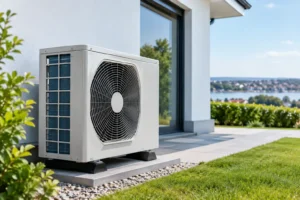
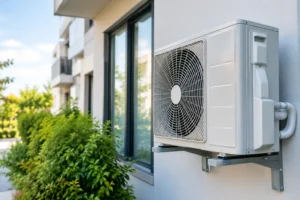
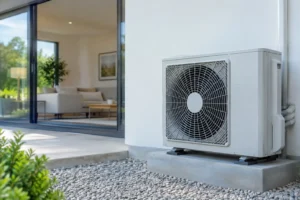
For most flats and houses, a wall-mounted split system is the most practical option. It has an indoor unit in the room and an outdoor condenser, connected by discreet pipework and electrical cabling. One outdoor unit can often serve several indoor rooms through a multi-split arrangement, which is useful where landlords want to cool bedrooms and a living area without installing separate external units.
Placement deserves careful thought. Indoor units should direct air across the room rather than straight onto a bed, desk or sofa. Outdoor units need adequate airflow, secure mounting and a location that considers noise, neighbours and future service access. A poor installation location can undermine an otherwise excellent system.
Check permissions and responsibilities before work begins
Landlords should not assume that an air conditioning installation can be fitted without checks. Planning rules can vary, particularly for listed buildings, conservation areas and properties with restrictions on external alterations. Leasehold flats may also require written consent from the freeholder or managing agent before an outdoor unit is installed.
If the property is a house in multiple occupation, discuss the proposal with the relevant authority or property manager where appropriate. Fire safety, electrical works, access routes and shared external spaces all need consideration.
There is no blanket rule requiring UK landlords to install air conditioning in every rental property. However, landlords remain responsible for providing accommodation that is safe and fit for habitation, as well as meeting their repairing obligations. Where overheating, poor ventilation or damp is affecting the condition of the home, it is sensible to take advice on the underlying cause rather than relying on a single measure.
Installation should be completed by a competent air conditioning contractor using properly certified engineers. Refrigerant handling is regulated, and the electrical supply, condensate drainage and fixing points must be installed correctly. Keep the installation paperwork, commissioning records, manufacturer information and maintenance history with the property file.
Choose features tenants can use confidently
The best rental specification is usually simple, efficient and easy to understand. Complicated controls can lead to incorrect settings, unnecessary call-outs and higher bills. A clear remote control or straightforward wall controller is often more useful than a long list of functions tenants will never use.
Look for inverter-driven equipment from an established manufacturer. Inverter systems adjust their output as the room approaches the selected temperature, helping to avoid the stop-start operation associated with older systems. This generally improves comfort and can reduce electricity use when the system is used sensibly.
Heating capability is worth considering too. Many modern air conditioning systems are air-to-air heat pumps, providing both cooling and heating. In a well-suited room, this can offer a quick source of warmth during mild weather. It should not be presented as a replacement for a property’s primary heating system without assessing the wider heating arrangement, energy costs and tenant expectations.
Useful landlord-focused features include a timer, temperature limits, quiet night settings and washable filters. Wi-Fi controls can be helpful for some managed properties, but only where privacy and access are handled properly. Tenants should know exactly what, if anything, a landlord or agent can control remotely.
Set expectations in the tenancy agreement
A well-installed system still needs clear responsibility. The tenancy agreement or welcome pack should explain how tenants are expected to use the air conditioning, who to contact if there is a fault and what should not be done to the equipment.
It is reasonable to ask tenants to keep doors and windows closed while cooling is operating, clean accessible filters if instructed, and report unusual noise, leaks, error codes or reduced performance promptly. They should not cover indoor or outdoor units, alter settings intended for safe operation, or attempt repairs themselves.
Landlords should remain responsible for professional servicing, repairs caused by normal wear and replacement where the system reaches the end of its serviceable life. If a fault is caused by misuse or damage, deal with it through the normal tenancy process and keep clear records. Setting this out early avoids uncertainty during the hottest part of the year, when delays are frustrating for everyone.
Maintenance protects the investment
Air conditioning is not fit-and-forget equipment. Filters collect dust, condensate drains can become blocked and outdoor coils are exposed to weather and debris. Neglected maintenance can result in reduced airflow, odours, water leaks, higher running costs and avoidable breakdowns.
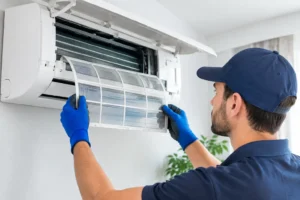
A planned annual service is a sensible baseline for most residential rental systems. Properties with heavy use, several occupants, pets or persistent dust may need more frequent attention. During a professional visit, an engineer can clean key components, inspect electrical connections, assess drainage, check operating temperatures and identify concerns before they develop into a costly repair.
Arrange maintenance before the summer rush where possible. A unit that has been tested in spring is far less likely to create an urgent issue during a heatwave. It also gives landlords time to approve repairs or replacement without leaving tenants uncomfortable.
Budget for the full cost, not only installation
Installation price varies according to system capacity, number of rooms, pipework routes, electrical requirements, access and the complexity of external mounting. A simple single-room system will be very different from a multi-room installation in a leasehold flat.
The cheapest quote is not always the most cost-effective choice. Ask what is included: equipment, labour, electrical works, condensate drainage, wall brackets or bases, commissioning, warranties and aftercare all affect the real value of the proposal. A carefully planned installation is less likely to require disruptive changes later.
Tenants will usually pay for the electricity they use, so energy efficiency matters. Give them practical operating guidance: choose a realistic set temperature, use the timer, keep filters clean and avoid running cooling with windows open. Small habits make a noticeable difference to bills and system performance.
For landlords managing property in Essex, a free survey provides a clear starting point. Essex Air Conditioning can assess the rooms, discuss practical installation locations and recommend a system that matches the property rather than pushing a one-size-fits-all solution.
A comfortable rental home is easier to let and easier to manage. When air conditioning is correctly specified, professionally installed and properly maintained, it becomes a dependable improvement that tenants can appreciate every day, not just during the next hot spell.