A packed shop can become uncomfortable surprisingly quickly. Sun through a frontage, lighting, refrigeration, staff and a steady flow of customers all add heat – and an open door can make the problem harder to manage. This Southend shop cooling guide explains how local retailers can choose an air conditioning approach that keeps customers comfortable, protects stock and controls running costs.
For a shop on Southend High Street, in Leigh-on-Sea or elsewhere in the area, cooling is not simply about fitting the largest available unit. The right result comes from understanding the premises, how people use it and where heat is entering the space.
Why shop cooling is a business decision
Temperature affects how long customers are happy to browse. If a shop feels stuffy or overheated, people are more likely to shorten their visit, while staff can become tired and less productive during a busy afternoon. Good cooling creates a more pleasant, consistent environment without making the space feel cold.
It can also help protect products. Cosmetics, candles, food items, electronics, flowers and some packaged goods can all suffer when exposed to excessive heat or humidity. Where refrigeration is already working hard, reducing the surrounding air temperature can ease pressure on equipment as well.
Air conditioning is often a better long-term answer than portable fans or temporary coolers. Fans move warm air around and may be useful at a counter or in a back office, but they do not lower the room temperature. Portable units can be noisy, take up valuable floor space and require a hose through a window or door. They have their place as a short-term measure, but are rarely the best solution for a customer-facing shop.
Southend shop cooling guide: start with the building
Every installation should begin with a proper survey. A unit that appears suitable from its published output may be undersized once solar gain, glazing and footfall are taken into account. Equally, an oversized system can cool too quickly, cycle inefficiently and create uncomfortable draughts.
A professional assessment considers the shop’s floor area and ceiling height, but it should go further. The survey should account for the direction of the frontage, the amount of glass, insulation, internal lighting, electrical equipment, existing refrigeration and the typical number of people inside at peak times. A boutique with large south-facing windows has very different needs from a convenience store with chilled cabinets or a salon with dryers running throughout the day.
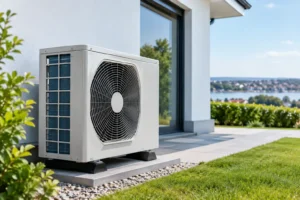
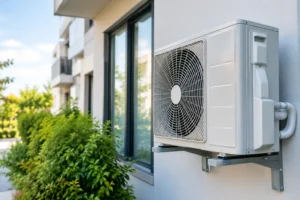
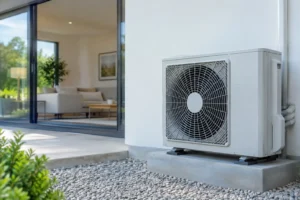
Access and appearance matter too. Outdoor condensers need a safe, well-ventilated position with enough space for future servicing. Indoor units need to distribute air effectively without blowing directly onto till points, changing areas or seated customers. In some premises, landlord approval, lease conditions or planning considerations may influence where equipment can be located. Addressing these points before installation avoids costly changes later.
Choosing the right system for your layout
For many small shops, a wall-mounted split air conditioning system is the most practical option. It pairs an indoor unit with an outdoor condenser and can provide both cooling in summer and efficient heating in colder months. This is particularly useful for independent retailers that want a single system to support year-round comfort.
Where one open retail area needs even coverage, a carefully positioned wall-mounted unit may be enough. The key question is whether the airflow can reach the whole space without being blocked by shelving, displays or partitions. A second unit may be more effective than asking one larger unit to work across an awkwardly shaped shop.
Larger premises, shops with several rooms or businesses with separate retail and staff areas may benefit from multi-split systems. These connect several indoor units to one outdoor unit, allowing different areas to be controlled independently. A stockroom generally does not need the same temperature as a customer browsing area, and a small office may need cooling when the main shop does not.
Ceiling cassette units can be a good choice where there is a suspended ceiling and a more discreet finish is preferred. They spread air in several directions and suit open commercial spaces, although installation may be more involved. Ducted systems offer an even less visible result but are usually better suited to premises with adequate ceiling voids and a budget for more extensive work.
The best system depends on the property and trading pattern. A free survey gives you the opportunity to compare realistic options rather than selecting equipment based on price alone.
Cooling, heating and ventilation are related but different
A common mistake is to assume that air conditioning brings fresh outdoor air into a shop. Most standard air conditioning systems recirculate and condition the air already inside. They filter it and remove some moisture, but they do not replace the need for suitable ventilation where fresh air is required.
This distinction matters in busy premises. If the shop feels stale, humid or has persistent odours, ventilation should be assessed alongside cooling. Extract systems, fresh-air ventilation and sensible use of doors can all play a part. However, leaving a door open all day in hot weather can allow warm, humid air to enter continuously, increasing the cooling load.
In some layouts, an air curtain above the entrance can help reduce the exchange of conditioned and outside air while keeping the doorway welcoming. It is not a replacement for air conditioning, but it can support a well-designed system, particularly where the entrance sees heavy footfall.
Keep running costs under control
The cost of operating shop air conditioning depends on the system size, energy efficiency, controls, insulation and how it is used. Selecting an efficient unit from a recognised manufacturer is a sensible starting point, but daily habits have a real impact.
Set a realistic temperature. Trying to turn a warm shop into a very cold one uses more energy and can feel unpleasant for customers. A moderate, steady setting is usually more efficient than repeatedly switching the system on and off. Programmable controls can start cooling shortly before opening and reduce output after closing, rather than running at full power when the premises are empty.
Simple improvements also help. Keep windows closed while cooling is operating, check door seals, use blinds or solar film where strong sun causes overheating, and make sure displays are not blocking indoor units. If heat-producing equipment is concentrated in one area, consider whether the layout can be adjusted before increasing the system capacity.
For landlords and multi-occupancy commercial properties, it is worth agreeing who controls the system and who is responsible for servicing. Clear responsibility prevents a small issue from becoming a disruption during the busiest period of the year.
Installation quality matters as much as the unit
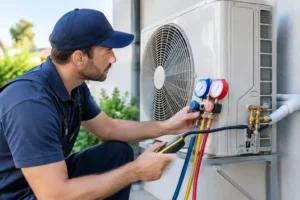
Air conditioning should be installed by qualified professionals who can size, position and commission the equipment correctly. Pipework routes, condensate drainage, electrical connections and refrigerant handling all affect safety, performance and appearance.
A tidy installation is especially important in retail settings. Customers should not be distracted by poorly placed trunking, dripping condensate pipes or noisy equipment. Before work begins, agree the indoor and outdoor unit positions, the routing of pipework and cables, access arrangements, and the expected duration of the installation. For many smaller shops, work can be planned around quieter trading periods to minimise disruption.
Essex Air Conditioning provides surveys and no-obligation quotations so business owners can understand the likely scope before committing. A proper proposal should explain the recommended system, why it suits the space and what is included in the installation.
Maintenance protects comfort and investment
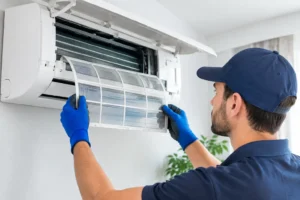
A system that has not been maintained may lose efficiency, produce weak airflow, develop odours or fail when it is needed most. Filters collect dust, coils can become dirty and drainage lines may block. These are manageable issues when found early, but they can lead to inconvenience and repair costs if ignored.
For most shops, planned servicing before the warmer months is a sensible approach. The visit should include cleaning relevant components, checking operation and airflow, inspecting electrical connections, confirming drainage is clear and looking for signs of refrigerant or mechanical problems. The exact maintenance schedule depends on usage, the environment and the manufacturer’s requirements. A salon, café-adjacent retailer or high-footfall shop may need more frequent attention than a lightly used office showroom.
Staff can support performance between service visits by keeping units clear, reporting unusual noise or water leaks promptly, and avoiding changes to settings without a reason. If cooling suddenly becomes less effective, do not wait for the next hot spell – early diagnosis is usually simpler and less disruptive.
Plan before summer demand arrives
The best time to arrange a cooling survey is before the shop becomes uncomfortably hot. It allows time to assess the space properly, obtain any required permissions and schedule work around your trading needs. It also means you can make a measured choice between a single split, multi-split or a more tailored commercial solution.
A well-specified, professionally maintained system should quietly support your business in the background: customers stay comfortable, staff can work effectively and your shop is better prepared for the next warm spell.