If a room feels stuffy, warm and uncomfortable, many people assume one system will fix everything. In practice, air conditioning vs ventilation systems is not a simple either-or decision. They do different jobs, and choosing the right setup depends on whether your main problem is heat, poor air movement, humidity, stale air, or a combination of all four.
That distinction matters in homes, offices, shops and commercial premises across Essex. We regularly see properties with one issue being treated as another – for example, a customer installs cooling when the real problem is inadequate fresh air, or improves ventilation when the bigger issue is internal heat gain. The result is disappointing performance and money spent in the wrong place.
Air conditioning vs ventilation systems: the core difference
Air conditioning controls temperature. It can also help manage humidity and, depending on the system, improve filtration. Its main purpose is to cool indoor spaces to a comfortable level and maintain that comfort consistently.
Ventilation controls air exchange. It removes stale indoor air and replaces it with fresh air from outside, either naturally or mechanically. Its purpose is to improve air quality, reduce odours, manage condensation risk and support a healthier indoor environment.
So the simplest way to think about it is this: air conditioning makes the air feel cooler, while ventilation makes the air feel fresher. In many buildings, you need both.
What air conditioning actually does
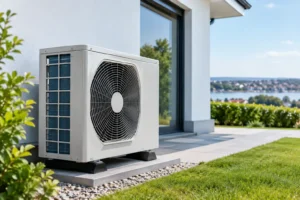
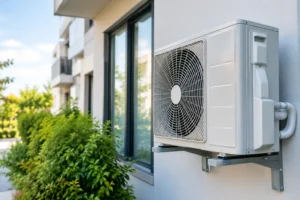
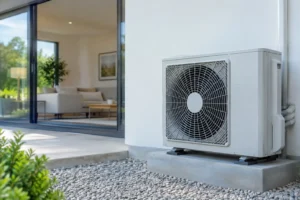
A properly designed air conditioning system extracts heat from a room and transfers it outside. In summer, that gives you reliable cooling rather than hoping an open window or a fan will be enough. Many modern systems also offer heating, which makes them useful all year round.
For homeowners, this often means better comfort in bedrooms, loft conversions, garden rooms and open-plan living spaces that overheat. For businesses, it can mean stable temperatures for staff, customers, equipment and stock.
Air conditioning also helps reduce humidity during cooling mode. That can make a room feel more comfortable even when the temperature change is moderate. Anyone who has spent time in a muggy office or a warm retail unit will recognise the difference straight away.
What it does not do, at least not by itself, is provide meaningful fresh air replacement. Most comfort cooling systems recirculate indoor air. They may filter that air, which is useful, but filtration is not the same as ventilation.
What ventilation systems actually do
Ventilation systems are designed to move air in and out of a building. In simple terms, they remove stale, moisture-laden or contaminated air and bring in outdoor air to replace it.
That is particularly important in kitchens, bathrooms, offices, meeting rooms, classrooms, salons, gyms and any space with regular occupancy. People generate heat, moisture and carbon dioxide. Everyday activities such as cooking, showering and cleaning add even more airborne moisture and odours.
A good ventilation system helps tackle condensation, lingering smells and the heavy feeling that develops when indoor air is not being refreshed properly. In commercial premises, it also supports occupant comfort and can contribute to a better working environment.
What ventilation does not do well is lower room temperature on a hot day unless the outside air is cooler than the indoor air and the system is designed to take advantage of that. If the weather is warm and still, ventilation alone will not give you the controlled cooling most people expect.
Why people confuse the two
The confusion is understandable because both systems affect comfort. If a room feels unpleasant, occupants are not usually diagnosing the cause in technical terms. They just know the space feels wrong.
A stuffy meeting room might need ventilation because the air quality is poor. A sun-facing bedroom might need air conditioning because the temperature is too high. A busy salon might need both because the space builds up heat and also needs regular air replacement.
This is where a proper site survey makes a difference. Instead of guessing, you assess the room size, occupancy, insulation, equipment, window exposure and how the space is used day to day.
Which system is right for a home?
In domestic settings, the answer often depends on the problem you are trying to solve. If your bedrooms are too hot to sleep in during summer, air conditioning is usually the more effective option. It provides direct, controllable cooling that a standard extractor fan or open window cannot match.
If your issue is condensation in bathrooms, lingering cooking smells, or poor air movement in enclosed areas, ventilation is often the priority. Extractor fans and mechanical ventilation systems are designed for exactly that purpose.
Some homes benefit from a combined approach. A modern property may be relatively airtight, which is good for energy efficiency but can create ventilation issues if fresh air is not managed properly. At the same time, large glazed areas and loft conversions can create overheating. In that case, cooling and ventilation solve different parts of the same comfort problem.
For landlords, it is also worth thinking beyond immediate comfort. Persistent condensation and poor airflow can lead to damp-related issues over time. Cooling, meanwhile, can be a strong selling point in higher-spec rentals or home offices where summer temperatures affect productivity.
Air conditioning vs ventilation systems for businesses
Commercial properties rarely have the luxury of treating this as a simple choice. Offices, retail spaces, restaurants, clinics and workshops all place different demands on indoor environments.
In an office, staff may complain that the room feels stuffy when the real issue is low fresh air supply. In a server room or equipment-heavy workspace, the priority may be temperature control. In hospitality settings, you often need both temperature stability and effective extraction to keep the environment comfortable for customers and staff.
That is why commercial design should always be led by use, occupancy and heat load rather than assumptions. A ventilation-only setup in a busy, heat-generating space may leave occupants too warm. Air conditioning alone in a poorly ventilated room may cool the space but still leave it feeling stale.
For business owners, there is also an operational point to consider. Comfort is not just about preference. It can affect staff concentration, customer dwell time and the general impression your premises give. If people walk into a room that feels hot, humid or stale, it reflects badly on the space no matter how well it is fitted out.
Cost, running efficiency and long-term value
Cost matters, but it should be looked at properly. Ventilation systems can be less expensive than air conditioning in some applications, especially where the requirement is local extraction or basic air movement. Air conditioning tends to involve a higher upfront investment, particularly for multi-room or commercial installations.
That said, the cheaper option is not always the better value option. If ventilation does not solve an overheating problem, you have still spent money without fixing the issue. If air conditioning is installed where poor air quality is the main complaint, you may improve comfort only partially.
Running costs depend on the system type, the quality of the installation, controls, usage patterns and maintenance standards. Well-specified modern air conditioning can be highly efficient, particularly inverter-driven systems. Ventilation systems also need to be selected and balanced correctly to perform efficiently.
Maintenance is another factor. Both systems need regular servicing if you want consistent performance and a reasonable lifespan. Filters, fans, coils and condensate components all need attention at the right intervals. Skipping maintenance usually leads to reduced efficiency, avoidable faults and poorer indoor conditions.
The best answer is often both
When a combined system makes sense
A lot of properties need cooling and fresh air management rather than one or the other. This is common in offices, salons, treatment rooms, restaurants, open-plan homes and converted spaces.
For example, a garden room used as an office may overheat in summer and also feel stale when closed up all day. A bedroom may benefit from cooling at night, but the wider house may still need better extraction in bathrooms and kitchens. A retail unit may need air conditioning for customer comfort and ventilation to maintain air quality during busy periods.
In these cases, combining the right systems gives you a result that feels properly comfortable instead of partly improved.
Why design matters more than labels
Simply asking for air conditioning or ventilation is not enough. What matters is whether the system has been designed around the building and the way it is actually used.
Oversized cooling can cycle inefficiently. Poorly planned ventilation can create drafts or underperform. Budget shortcuts at installation stage often show up later in noise, faults, weak airflow or inconsistent temperature control.
A dependable contractor will start with the building, not the product. That means looking at layout, occupancy, insulation levels, usage hours and practical constraints before recommending a solution.
How to decide what you need
If your main complaint is excessive heat, air conditioning is usually the first place to look. If the room feels stale, humid or prone to condensation, ventilation is likely the priority. If both are true, treating only one side of the problem will usually leave you disappointed.
For customers in Essex, especially in properties that have been extended, refurbished or repurposed over time, assumptions can be expensive. A free survey and no-obligation quote from an experienced local contractor can quickly clarify whether you need cooling, ventilation or a joined-up solution that covers both.
The right system should make the space feel better the moment you use it, but it should also keep working reliably, efficiently and without fuss for years. That is the real test of whether the choice was right.