A stuffy meeting room in Chelmsford and a hot top-floor bedroom in Rayleigh can feel equally uncomfortable, but they do not necessarily need the same solution. The choice between ventilation or air conditioning comes down to the cause of the problem: lack of fresh air, excessive heat, humidity, or a combination of all three. Choosing the right system at the outset avoids spending money on equipment that only addresses part of the issue.
For homes, offices, shops and rental properties, the most effective answer is often based on how the space is used throughout the year. Air conditioning controls temperature very effectively. Ventilation replaces stale indoor air with fresh outdoor air. Understanding that difference makes a survey and quotation far more straightforward.
What ventilation is designed to do
Ventilation moves air through a property. Its main purpose is to remove stale, humid or polluted indoor air and introduce fresh air from outside. It is particularly valuable in rooms where people gather, moisture builds up, or windows are rarely opened.
In a home, this may mean extracting moist air from bathrooms and kitchens, or using mechanical ventilation to improve airflow in bedrooms and living areas. In a commercial setting, it may involve fresh-air supply and extract systems for offices, salons, kitchens, workshops or retail premises.
Good ventilation helps reduce condensation, lingering odours and the feeling that a room has become close or stuffy. It can also support better indoor air quality when a building is occupied for long periods. However, ventilation alone does not actively cool a room. On a warm, still summer day, bringing outdoor air inside may provide little relief if the air outdoors is already hot.
When ventilation is the priority
Ventilation is usually the first consideration where condensation, mould risk, cooking smells, bathroom humidity or poor air freshness are the main complaints. It is also essential where a room has high occupancy and windows cannot be relied on for regular airflow.
For example, a small office may not feel particularly hot, yet staff may report headaches, tiredness or a heavy atmosphere by mid-afternoon. If the room is sealed, crowded and poorly ventilated, adding cooling without addressing fresh-air provision may improve the temperature while leaving the underlying air-quality issue unresolved.
Ventilation systems must be correctly sized and positioned. Too little airflow will not solve the problem, while poorly designed airflow can create draughts, noise or unnecessary heat loss during colder months. This is why an assessment of the room, occupancy and existing extraction is more useful than selecting a fan by appearance or price alone.
What air conditioning is designed to do
Air conditioning controls indoor temperature by removing heat from the room. Modern systems can also reduce humidity and, in most cases, provide efficient heating when the weather turns colder. That makes them a practical year-round option for bedrooms, home offices, conservatories, shops and workplaces.
A correctly specified split air conditioning system can cool a space quickly, maintain a chosen set temperature and avoid the noise and security concerns that come with leaving windows open. For many Essex businesses, it also helps create a more comfortable environment for staff and customers during periods of high summer temperatures.
Most standard wall-mounted air conditioning systems recirculate and condition the air already in the room. Their filters can capture certain particles, depending on the system and filter fitted, but they are not a replacement for purpose-designed fresh-air ventilation. This distinction is easy to miss and matters when a property has persistent stuffiness or high moisture levels.
When air conditioning is the priority
Air conditioning is the better fit when excessive heat is the main issue. Typical examples include a south-facing bedroom, a loft conversion, a server or equipment room, a busy salon, or a shop with large glazed frontage. It is also well suited to spaces where comfort needs to be consistent rather than dependent on the weather.
It can make a significant difference in a home office where computers, monitors and afternoon sun create uncomfortable temperatures. For landlords and commercial operators, it can also improve the appeal and usability of a property, provided the installation is planned around the building layout and the needs of its occupants.
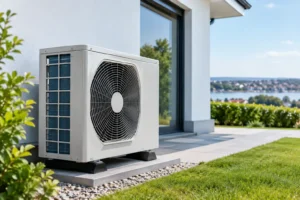
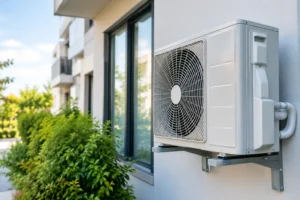
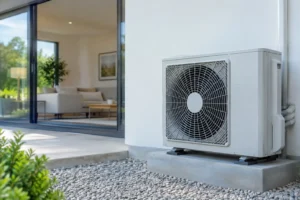
The quality of installation is central to performance. Indoor unit location, outdoor unit siting, pipe runs, drainage and electrical supply all affect how quietly and efficiently a system operates. A unit that is too small will struggle on peak days; one that is unnecessarily large may cycle inefficiently and fail to provide even comfort.
Ventilation or air conditioning: the key differences
The simplest way to think about the choice is this: ventilation changes the air, while air conditioning changes the temperature of the air.
Ventilation brings in fresh air and removes stale or humid air. Air conditioning cools, heats and dehumidifies the indoor environment. Both can improve comfort, but they solve different problems. One is not automatically better than the other.
There are practical trade-offs. Opening windows is a form of natural ventilation, but it can bring in traffic noise, pollen, dust and outdoor heat. Mechanical ventilation gives more controlled airflow, though it requires suitable routes for ducting or extraction. Air conditioning offers reliable temperature control, but it needs regular servicing to protect efficiency, hygiene and system lifespan.
Running costs also depend on the property and the equipment selected. An efficient modern air conditioning system, used sensibly and maintained properly, can be economical to run. Yet cooling a poorly insulated, sun-exposed room will always demand more energy than cooling a well-shaded, insulated space. Likewise, a ventilation system should not be treated as an excuse to ignore leaks, damaged seals or inadequate extraction where moisture is present.
When a combined solution makes sense
Many properties benefit most from both ventilation and air conditioning. This is especially true in modern buildings that are well sealed for energy efficiency. Keeping unwanted draughts out is useful, but it can also reduce natural airflow.
A workplace might need ventilation to provide fresh air for employees, alongside air conditioning to maintain a comfortable temperature. A restaurant or salon may need targeted extraction in areas that generate moisture or odours, plus cooling in customer-facing spaces. At home, bathroom and kitchen extraction can manage humidity while air conditioning keeps bedrooms cool enough for comfortable sleep.
A combined approach should be planned rather than added in stages without considering the wider system. For instance, placing an air conditioning unit directly in the path of an extract point or leaving doors open between rooms can affect how each system performs. A professional survey considers the room layout, heat gain, occupancy, windows, insulation and how the building is used day to day.
Questions to ask before choosing a system
Before deciding, consider what you want to change in the room. If it smells stale, suffers from condensation or has no reliable fresh-air route, ventilation should be part of the conversation. If it becomes uncomfortably warm, humid and difficult to use in summer, air conditioning is likely to be the priority.
It also helps to consider when the problem occurs. A bedroom that is only hot for a few weeks each year may need a different solution from a home office used every weekday, or a commercial premises where employee comfort affects productivity throughout the year. Noise limits, outdoor-unit location, planning considerations and landlord permissions may also influence the most suitable design.
For commercial properties, ventilation requirements can be more complex because occupancy levels, the nature of the work and existing building services all matter. A site assessment is the sensible starting point rather than relying on a standard package or a rough room-size calculation.
Get the right advice for your Essex property
The best system is the one that deals with the real cause of discomfort, operates efficiently and suits the way your property is used. Essex Air Conditioning provides free surveys and no-obligation quotations for homeowners and businesses that need clear, practical advice on cooling, heating and ventilation.
If you are unsure whether the problem is stale air, excess heat or both, start with a professional assessment. A properly planned solution can make your space feel fresher, cooler and more comfortable without paying for features you do not need.