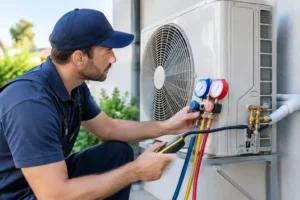
A warm shop can cost more than comfort. Customers spend less time browsing, staff become distracted, and chilled displays or heat-producing equipment have to work harder. The right shop air conditioning solutions create a cooler, more inviting space while giving you practical control over energy use and day-to-day running costs.
For independent retailers, salons, convenience stores, showrooms and larger commercial premises, the best approach is rarely to buy the biggest unit available. It is to install a correctly sized system that suits the layout, trading hours and heat levels inside your premises.
What a Shop Air Conditioning System Needs to Do
A shop air conditioning system should cool the space reliably during busy periods without creating uncomfortable cold spots, draughts or excessive noise. In many premises, it also provides efficient heating in cooler months, giving you one system that supports comfort throughout the year.
That sounds straightforward, but every shop has different demands. A south-facing frontage with large glass windows gains heat quickly in summer. A busy salon has heat from styling equipment, lighting and people. A convenience shop may have refrigerated cabinets adding heat throughout the day. Stockrooms, fitting rooms and offices can need a different level of cooling from the main retail floor.
A professional survey identifies these factors before recommending equipment. This avoids a common and expensive mistake: fitting an undersized unit that runs constantly but never quite brings the temperature down, or an oversized unit that cools too quickly and cycles inefficiently.
Comfort affects the customer experience
Shoppers are unlikely to comment on a well-conditioned store, but they will notice when it is stuffy. A comfortable temperature helps customers browse for longer and makes changing rooms, waiting areas and service counters more pleasant. It also gives staff a better environment in which to work, particularly during heatwaves.
For premises where visitors may be seated, such as salons, clinics and beauty businesses, quiet operation and carefully directed airflow matter as much as cooling capacity. A system should support the experience you want customers to have, not become a distraction above their heads.
Choosing the Right Shop Air Conditioning Solutions
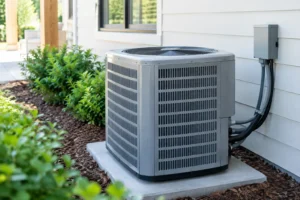
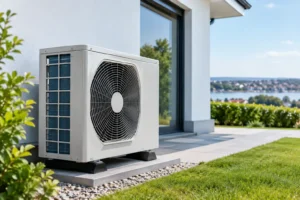
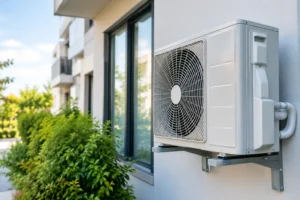
Most retail premises are well suited to split or multi-split air conditioning systems. A split system pairs one indoor unit with an outdoor condenser and is often a cost-effective choice for a single open-plan shop area. Multi-split systems connect several indoor units to one outdoor unit, allowing separate areas to be controlled independently.
For example, you may want the shop floor comfortably cool while keeping the stockroom at a more moderate setting. Independent control prevents energy being used where it is not needed and allows staff to adjust temperatures around the way the premises actually operates.
Larger shops, multi-room businesses and commercial units may benefit from more advanced multi-room systems. These can serve several areas while maintaining a neat external appearance and giving managers central control. The right choice depends on the size of the premises, the number of rooms, available wall or ceiling space, and whether you need heating as well as cooling.
Wall-mounted units are a popular option because they are efficient, discreet and straightforward to maintain. Ceiling cassette units can be a better fit for larger open areas with suspended ceilings, where even air distribution is important. In spaces where appearance is particularly important, such as boutiques or customer-facing showrooms, indoor unit placement should be planned around displays, lighting and the overall look of the shop.
Do not choose by floor area alone
Square footage is only one part of the calculation. A proper recommendation also considers ceiling height, glazing, insulation, door use, occupancy, electrical equipment and the heat produced by refrigeration or cooking appliances. Even the direction your shop faces can alter the cooling requirement considerably.
This is why a free site survey is valuable. It provides an opportunity to assess the building properly, discuss where the outdoor unit can be placed, and identify any access or landlord requirements before work begins. For leased premises, checking the terms of your lease and obtaining consent where necessary should happen early in the process.
Keeping Energy Costs Under Control
Modern air conditioning is far more efficient than many business owners expect. Inverter-driven systems adjust their output to maintain the set temperature rather than repeatedly switching fully on and off. When specified and installed correctly, this can make air conditioning a sensible way to cool a shop and, in many cases, heat it too.
However, efficiency depends on how the system is used. Setting an extremely low temperature will not cool a hot shop faster. It simply forces the equipment to run longer and can leave staff and customers feeling uncomfortable. A sensible setpoint, normally a few degrees below the outside temperature during hot weather, is easier to maintain and less demanding on the system.
Simple operating habits can also make a noticeable difference. Keep doors and windows closed when cooling is running where practical, use blinds or shading to reduce solar gain, and avoid blocking indoor units with tall displays or stock. If your opening hours are consistent, timers and programmed controls can have the shop comfortable shortly before staff and customers arrive, rather than running at full output all day.
Air conditioning works best as part of a wider approach to temperature control. Good ventilation, sensible lighting choices and well-maintained door seals all help reduce the strain placed on the system.
Installation Planning That Minimises Disruption
Many shop owners worry that installation will interrupt trade. With clear planning, most projects can be completed with minimal disturbance. The survey stage should establish cable routes, drainage requirements, indoor and outdoor unit positions, and the safest times for engineers to work around customers and staff.
In some cases, work can be carried out before opening, after closing or in phases. This is especially useful where a shop cannot close for an installation. A tidy installation also matters. Pipework should be routed carefully, condensate drainage should be correctly designed, and outdoor units should be positioned to allow airflow and future servicing without affecting customers, neighbours or access routes.
Equipment should be supplied and installed by qualified air conditioning engineers, with commissioning completed properly before handover. This includes testing operation, checking drainage, confirming controls and showing the person responsible for the premises how to use the system. Essex Air Conditioning provides surveys and no-obligation quotes so business owners can understand the recommended work and costs before making a decision.
Maintenance Is What Protects Your Investment
A new system is only as dependable as the care it receives. Shop environments can be demanding: open doors bring in dust, retail stock can restrict airflow, and systems may run for long hours during peak summer weather. Without maintenance, filters become dirty, efficiency falls and small faults can turn into disruptive breakdowns.
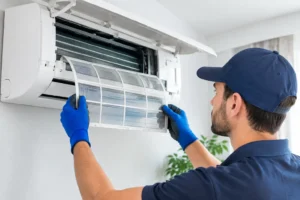
Planned maintenance keeps equipment clean, efficient and reliable. A typical visit includes cleaning filters and indoor coils, checking the outdoor unit, inspecting electrical connections, testing drainage, reviewing refrigerant performance and confirming that the system is cooling or heating as expected. The exact schedule depends on use, but a regularly used commercial system should be inspected at least annually, with more frequent attention worthwhile for busy premises or environments with higher levels of dust and heat.
Maintenance also helps protect stock, staff comfort and trading time. A breakdown in the middle of a hot spell is more difficult and often more costly to resolve than a developing issue found during a planned visit.
Signs your system needs attention
Do not wait for complete failure if you notice weaker airflow, reduced cooling, water dripping from an indoor unit, unusual noises, unpleasant smells or unexpectedly high electricity use. These symptoms can have several causes, from a blocked filter or drainage issue to a component fault. Prompt diagnosis can prevent further damage and restore comfort sooner.
Make the Decision Around Your Premises
The best shop air conditioning solution is not necessarily the lowest initial quote. It is the system that is correctly designed for your premises, installed neatly, economical to run and backed by responsive support when you need it. Premium equipment and experienced installation can reduce the risk of avoidable repairs, poor performance and premature replacement.
Before committing, ask how the proposed system has been sized, where units and pipework will be located, how drainage will be managed, what controls are included and what maintenance will be recommended. Clear answers now make for fewer surprises later.
A well-planned system lets your shop feel calm and comfortable even when Essex temperatures rise. Start with a professional survey, explain how your premises operates on its busiest days, and choose a solution designed to keep customers, staff and your business comfortable for the long term.