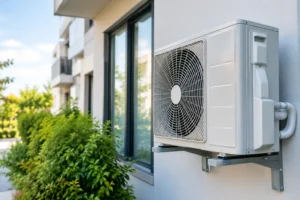
If you are comparing systems, prices and installers, a clear air conditioning installation guide UK property owners can rely on saves time and avoids expensive mistakes. The right installation is not just about buying a unit that blows cold air. It is about matching the system to the room, the building, how the space is used, and how well the equipment is fitted from day one.
For homeowners, landlords and business owners, that matters more than most people expect. A well-installed system should cool efficiently, heat when needed, run quietly and hold up over time. A poor installation can leave you with uneven temperatures, higher running costs and repeat callouts that should never have been needed.
What an air conditioning installation guide in the UK should cover
A proper air conditioning installation guide in the UK needs to do more than tell you where a unit goes on the wall. It should help you understand the decisions that affect comfort, running costs and long-term reliability.
The first is system selection. A small bedroom, an open-plan kitchen, a retail unit and an office all place different demands on an air conditioning system. Room size matters, but so do ceiling height, insulation levels, glazing, equipment heat, occupancy and whether the space gets strong afternoon sun. Choosing by price alone often leads to undersized or oversized equipment, and neither is ideal.
The second is installation quality. Even premium equipment will struggle if pipework is poorly run, drainage is not planned properly, or the commissioning process is rushed. Good workmanship is what turns a good product into a dependable system.
The third is compliance. In the UK, air conditioning installation is not a casual trade job. Refrigerant handling, electrical work and certain property-specific considerations all need to be approached correctly. That is one reason a professional survey matters before any quote is finalised.
Start with the right type of system
Most residential and small commercial installations in the UK fall into a few common categories. A wall-mounted split system is the most popular choice for single rooms because it is efficient, neat and relatively straightforward to install. If you need to cool several rooms, a multi-split system may make more sense, with one outdoor unit connected to multiple indoor units.
For larger commercial spaces, ceiling cassette, ducted or floor-mounted systems may be better suited. The right answer depends on layout, ceiling void, usage patterns and the level of visual impact you are comfortable with. In a home, appearance and noise level are often high priorities. In a business, coverage, control and operating hours usually carry more weight.
There is always a trade-off. A cheaper single-room solution may solve one immediate problem but leave the rest of the property uncomfortable. A more comprehensive setup costs more upfront but can deliver better balance and easier control across the building.
Why the survey is where good installations begin
Before installation is discussed properly, the site needs to be surveyed. This is not a box-ticking exercise. It is where an experienced contractor works out what the property actually needs.
A proper survey looks at room dimensions, heat gain, wall construction, access routes, condensate drainage, outdoor unit positioning and electrical supply. It should also consider how you use the space. A south-facing loft conversion used as a home office needs a different approach from a back bedroom used only at night.
In commercial settings, the survey becomes even more important. Server equipment, kitchen appliances, customer footfall or long opening hours can all affect system sizing. If those details are missed, the finished installation may struggle under normal use.
This is why free surveys and no-obligation quotations are valuable when offered by a reputable local contractor. They give you a realistic view of the work involved rather than a rough estimate based on guesswork.
The main steps in the installation process
Once the system has been specified, the installation itself usually follows a clear sequence. First, indoor and outdoor unit locations are agreed. This is part practical and part aesthetic. The indoor unit needs good airflow and sensible placement within the room. The outdoor unit needs safe access, adequate ventilation and a position that keeps noise and visual impact in mind.
Next comes the physical installation. The indoor unit is mounted, core drilling is completed for pipe and cable runs, refrigerant pipework is routed, drainage is connected and the outdoor unit is secured. The electrical side must also be completed correctly, including isolators and any required supply work.
After that, the system should be pressure tested, evacuated and commissioned. This stage is critical. It confirms the integrity of the pipework, removes moisture from the system and ensures the unit is operating to specification. It is not the part to rush, and it is often where the difference between a careful contractor and a careless one becomes obvious.
Finally, the customer should be shown how to use the system properly. That includes temperature settings, mode selection, timer functions, basic filter care and what to watch for if performance changes.
Costs and what affects them
One of the most common questions in any air conditioning installation guide UK readers look for is cost. The honest answer is that price depends on more than the unit itself.
System size, brand, efficiency rating, number of rooms, installation complexity and electrical requirements all affect the final figure. A straightforward back-to-back install in a single room will generally cost less than a multi-room system with long pipe runs and limited access. Commercial work can vary even more depending on controls, out-of-hours access and the scale of the project.
It is also worth considering value rather than headline price. A lower quote is not always cheaper in the long run if it excludes important items, uses lower-grade equipment or allows too little time for proper commissioning. Clear quotations are worth paying attention to because they show whether the contractor has planned the work properly.
Regulations, permissions and professional standards
In the UK, air conditioning installations must be carried out with the right competence and certifications in place. Refrigerants must be handled by qualified engineers, and the electrical side must meet current safety requirements. Depending on the building, planning or landlord permissions may also come into play.
Most domestic installations do not become complicated from a permissions point of view, but there are exceptions. Flats, listed buildings and some commercial premises can involve additional checks. Outdoor unit placement is often the key issue, especially where external appearance or neighbour impact is a concern.
This is another area where local experience helps. A contractor familiar with Essex properties, from newer homes to older commercial buildings, will usually spot practical issues early and advise on the best route before installation day.
Choosing an installer without guessing
The installer matters as much as the equipment. Look for a company that is clear about surveys, specifications, timescales and aftercare. You want direct answers, not vague promises.
It helps to ask what brand options are available, how the system has been sized, what is included in the quote and what support is offered after installation. Maintenance should also be part of the conversation. Even the best system needs servicing to keep performing well and to protect its lifespan.
A dependable installer will also be realistic. Not every room can hide every pipe run perfectly. Not every low-cost option will deliver whisper-quiet performance. Straightforward advice is usually a sign you are dealing with professionals rather than a sales-led operation.
After installation: what keeps the system performing well
A new system should not be forgotten once it is running. Filters need cleaning, performance should be checked periodically and any unusual noise, smell or loss of cooling should be looked at early.
Regular maintenance keeps efficiency up and helps prevent avoidable breakdowns. For landlords and businesses, it also supports reliability when tenants, staff or customers depend on a comfortable indoor environment. For homeowners, it protects the investment and keeps running costs under control.
This is especially relevant in spaces that are used heavily in summer or where the system also provides heating in colder months. The more a system does, the more worthwhile proper servicing becomes.
A practical air conditioning installation guide UK readers can use
If there is one point to take from this, it is that successful air conditioning installation is rarely about the unit alone. It comes from good surveying, correct sizing, careful fitting and proper aftercare. That applies whether you are cooling a bedroom, a garden office, a shop floor or a multi-room commercial property.
For property owners across Essex, the best results usually come from dealing with an experienced local contractor who can assess the building properly and recommend a system that suits how the space is actually used. Essex Air Conditioning works with that approach because reliable comfort starts with getting the basics right. If you begin with the right survey and the right installer, the rest of the process becomes far more straightforward.
When you are ready to install air conditioning, focus on long-term performance, not just the quickest quote. Comfort is easy to promise. Getting it right year after year is what really counts.