A hot upstairs bedroom in July and a chilly home office in January can lead to the same question: air conditioning vs heat pump, which is the better investment? The answer is often less about the name on the system and more about what you need it to do. For many Essex homes and businesses, a modern split air conditioning system can provide both efficient cooling and useful heating from the same indoor unit.
The terminology causes understandable confusion. A traditional air conditioner is associated with cooling, while a heat pump is associated with heating. Yet many high-quality air conditioning systems are reversible air-to-air heat pumps. They remove heat from a room in summer and bring heat indoors during cooler weather. Choosing well means looking beyond the label and considering the rooms, the building, how you use it and your existing heating arrangement.
Air conditioning vs heat pump: the key difference
A cooling-only air conditioning system has one clear purpose: lowering indoor temperatures and reducing humidity during warm weather. It is a sensible option for spaces that regularly overheat, such as south-facing offices, loft bedrooms, retail premises or server rooms.
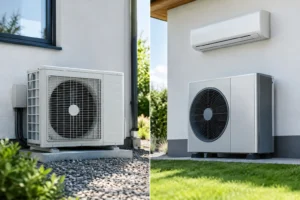
An air-to-air heat pump uses the same basic refrigeration process but can reverse its operation. In cooling mode, it moves heat from inside to outside. In heating mode, it extracts available heat from the outdoor air and transfers it inside. This gives you year-round temperature control through wall-mounted, floor-standing or ceiling-mounted indoor units.
In practical terms, most domestic and commercial split systems now offered for comfort cooling can also provide heat. That does not mean every system is identical, however. Equipment specification, correct sizing and installation quality all affect how well it performs in a British winter.
It is also useful to separate air-to-air systems from air-to-water heat pumps. An air-to-water heat pump heats water for radiators, underfloor heating and domestic hot water. It is a different type of installation, usually designed to work as the main heating system for an entire property. Air-to-air systems heat and cool individual rooms or zones directly, rather than heating water.
When air conditioning is the right choice
Cooling remains the main priority for many customers. If a bedroom becomes uncomfortable at night, staff struggle in a hot workspace or customers avoid an overheated shop, air conditioning provides a direct and dependable solution. It delivers cooled, filtered air exactly where it is needed, without trying to alter the temperature of the whole building.
A split system is particularly effective where only one or two rooms need treatment. One outdoor unit connects to one indoor unit in a single-split arrangement. Where several rooms need independent comfort control, a multi-split system can connect multiple indoor units to one outdoor unit. Each room can be set to its own temperature, helping avoid wasted energy in unused areas.
Air conditioning also reduces excess humidity. This can make a room feel more comfortable at a higher thermostat setting, while protecting finishes, stock or sensitive equipment from damp, sticky conditions. For commercial settings, consistent temperatures can support staff productivity and a better customer experience.
If you only require cooling, a cooling-only unit may be appropriate. However, selecting a heat and cool model is often worth considering if the additional cost is modest. The heating function can provide welcome flexibility outside the peak summer period.
When an air-to-air heat pump makes more sense
A heat pump function is especially useful in rooms that need occasional, quick or independent heating. A garden office, extension, converted garage, conservatory, salon treatment room or meeting room may not be well served by the main central heating system. Rather than heating the entire property for one occupied space, you can warm the room you are using.
Modern systems can produce more heat energy than the electricity they consume because they transfer heat rather than create it through a conventional electric element. Their real-world efficiency depends on outdoor temperatures, system design, settings and the condition of the property, but they are commonly an efficient way to heat a single zone.
They are not always the best replacement for a full wet central heating system. If you need heating and hot water throughout a large home, an air-to-water heat pump, boiler or hybrid arrangement may be more suitable. An air-to-air system does not provide hot water, and its warmth is delivered as warm air rather than through radiators.
For many households, the most practical approach is complementary rather than all-or-nothing. Keep the existing heating system for whole-home warmth and hot water, then use a reversible air conditioning unit to cool in summer and heat the rooms where comfort matters most.
Compare running costs, not just purchase price
The upfront price of any system should include more than the unit itself. A professional quotation should account for equipment capacity, pipe runs, electrical work, condensate drainage, indoor and outdoor unit positions, commissioning and the complexity of access. A cheap installation can become expensive if poor positioning, inadequate drainage or incorrect sizing leads to noise, leaks or disappointing performance.
Running costs vary too widely for one figure to be meaningful. A small, well-insulated bedroom used for a few hours each evening will cost very differently from an open-plan office operating all day. Electricity tariff, desired temperature, window shading, building insulation and maintenance all have a part to play.
The most cost-conscious decision is usually to size the system properly and use it sensibly. An undersized unit may run continually without achieving comfort. An oversized unit can cycle inefficiently and may not control humidity as well. A survey allows the installer to assess the room volume, glazing, heat from occupants and equipment, orientation and how the space is used.
Avoid setting extreme temperatures. In summer, aiming for a comfortable indoor temperature rather than turning the unit as low as possible reduces demand. In winter, steady sensible settings generally feel better and prevent unnecessary energy use. Use timers or controls so unoccupied rooms are not being conditioned without reason.
Installation considerations for Essex properties
The indoor unit location matters as much as its appearance. It needs clear airflow across the room, should not blow directly onto where people sleep or work, and must remain accessible for servicing. Outdoor units need secure mounting, adequate airflow and a position that considers neighbours, noise and practical maintenance access.
For flats, listed buildings, leasehold properties and commercial premises, permissions or landlord approval may be required before work begins. Planning requirements can also apply in specific situations. A professional installer can identify potential issues during a survey rather than after equipment has been ordered.
In coastal parts of Essex, outdoor equipment can be exposed to salt-laden air. Choosing suitable equipment, locating it thoughtfully and keeping up with maintenance are sensible steps to protect performance and lifespan. The same applies to busy commercial sites, where blocked coils and neglected filters can quickly increase running costs.
Maintenance protects performance in every season
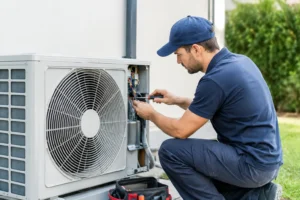
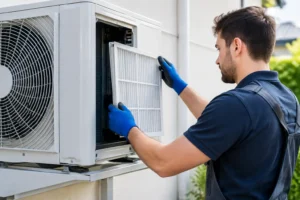
Whether you choose cooling-only air conditioning or a reversible heat pump, regular maintenance is not optional if you want reliable operation. Filters collect dust, indoor coils can become contaminated, drains need checking and outdoor units require inspection. A system that looks fine on the wall can still lose efficiency or develop odours if it is not maintained.
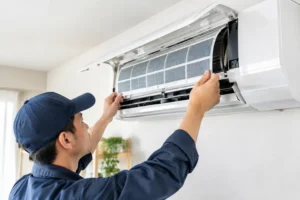
Basic filter cleaning may be suitable for the occupier where the manufacturer permits it, but planned professional servicing checks the parts that are easy to overlook. It helps identify small issues before they become disruptive repairs, particularly ahead of summer or the heating season.
For businesses, maintenance also supports continuity. A failed system in a retail unit, office or hospitality venue can affect customers, staff and equipment at exactly the wrong time.
Making the right choice for your property
Choose cooling-focused air conditioning when overheating is your main issue and you want targeted, reliable comfort. Choose a reversible air-to-air heat pump when you want the same system to cool in summer and provide efficient room heating during cooler months. Consider an air-to-water heat pump separately if your goal is to heat radiators and domestic hot water across the whole property.
The best system is not necessarily the largest or the cheapest. It is the one designed around your rooms, usage and budget, then installed and maintained properly. A free, no-obligation survey gives you the clarity to compare the options with confidence and choose comfort that works through every Essex season.