A cooling system rarely fails without giving a warning first. Rooms take longer to cool, airflow becomes weaker, energy bills rise, or an unfamiliar smell appears when the unit starts. Professional aircon servicing addresses these small signs before they become a costly repair, helping homes and businesses across Essex stay comfortable when they need cooling most.
For a homeowner, servicing protects the comfort of bedrooms, loft conversions and living spaces during warmer weather. For a business, it protects staff comfort, customer experience, stock conditions and day-to-day operations. It is a practical investment in reliable performance rather than an optional extra once a system has been installed.
What does aircon servicing include?
A proper service is more than wiping the front of an indoor unit or checking that cold air is coming through the grille. Air conditioning works by moving heat through a sealed refrigeration system, while fans, filters, drains and electrical components all need to operate correctly. If one part is underperforming, the entire system can become less efficient.
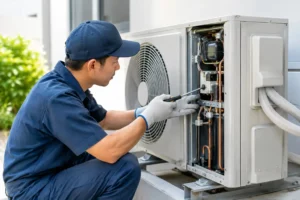
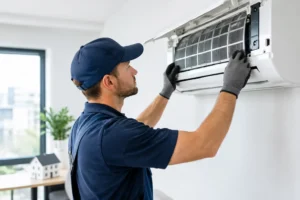
During a professional visit, a technician will assess the system’s overall operation, inspect key components and identify any developing faults. The precise work depends on the equipment, its age, where it is installed and how heavily it is used, but it commonly includes cleaning filters and coils, checking airflow, inspecting drainage, testing electrical connections and reviewing the controls.
The indoor unit needs particular attention because this is where dust, moisture and everyday airborne particles collect. A blocked filter restricts airflow. Dirty coils reduce heat transfer. A poorly maintained condensate drain can lead to water leaks, unpleasant odours and, in some cases, damage to ceilings, walls or furnishings below the unit.
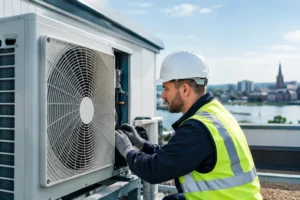
Outdoor units also require inspection. Leaves, dust and debris around the condenser can make it harder for the system to release heat. This forces it to work longer to achieve the same temperature, increasing wear and electricity use. In coastal parts of Essex, where salt in the air can contribute to corrosion, regular checks can be especially worthwhile.
Why regular aircon servicing pays for itself
The most immediate benefit of servicing is reliable cooling and heating. Many modern systems provide both, so a fault may affect comfort throughout the year rather than only during a heatwave. A well-maintained unit reaches the set temperature more effectively and avoids the strain caused by restricted airflow or dirty components.
Energy efficiency is another major consideration. Air conditioning that is fighting against clogged filters, contaminated coils or a poorly functioning fan can consume more electricity without delivering better results. Servicing cannot turn an ageing, inefficient system into a new one, but it can help the equipment operate closer to the standard it was designed to achieve.
There is also a strong case for protecting the lifespan of the system. Minor issues such as vibration, loose electrical connections, a slow drain or early signs of wear are often straightforward to resolve when found early. Left alone, they can place stress on more expensive components, including motors, control boards and compressors.
For commercial premises, planned maintenance provides operational certainty. A café with a warm customer area, an office with uncomfortable meeting rooms or a salon with a failed wall-mounted unit can lose trade and goodwill quickly. Booking maintenance outside the busiest period gives owners and facilities managers more control than waiting for an urgent breakdown callout.
How often should air conditioning be serviced?
For most domestic systems, annual servicing is a sensible starting point. It gives the system a regular health check and prepares it for periods of heavier use. If a unit is used for heating through autumn and winter as well as cooling in summer, annual maintenance becomes even more valuable.
Commercial systems often need more frequent attention. A small office may be adequately served by one planned visit a year, while a busy retail unit, server room, restaurant, gym or healthcare setting may benefit from servicing every six months. High usage, multiple indoor units and environments with more dust, grease or footfall all increase the need for cleaning and inspection.
It depends on the building and the equipment. A lightly used bedroom unit will not have the same maintenance needs as a multi-split system cooling a busy workplace every day. An experienced technician can recommend a practical schedule based on the system rather than applying a one-size-fits-all plan.
Some larger commercial air conditioning systems are also subject to separate inspection requirements. In the UK, systems with an effective rated cooling output of more than 12kW may require a TM44 inspection at least every five years. This is not the same as routine servicing. A TM44 inspection assesses energy efficiency and operation, while servicing focuses on keeping equipment clean, safe and dependable.
Signs that your system needs attention sooner
Do not wait for the annual service if the system is clearly behaving differently. Reduced cooling or heating, weak airflow, repeated stopping and starting, rattling noises or water dripping from an indoor unit all warrant a professional check. A musty smell can also point to dirt or moisture around the indoor coil, filters or drainage system.
A noticeable increase in running costs is another warning sign, particularly if usage has not changed. Air conditioning can be affected by several factors, including hot weather, room layout and poor insulation, so a higher bill does not automatically mean the unit is faulty. However, it is a good reason to have performance assessed rather than assuming the system simply has to work harder.
If a unit displays an error code, trips an electrical circuit or stops cooling entirely, it is better to arrange a repair visit than repeatedly resetting it. Continuing to run equipment with an unresolved fault can cause further damage. Refrigerant work and electrical repairs should always be handled by appropriately qualified professionals.
What you can do between service visits
There are a few simple steps that help keep air conditioning performing well between professional appointments. Clean or wash accessible filters in line with the manufacturer’s guidance, especially during periods of regular use. Allow them to dry fully before refitting them.
Keep furniture, curtains and shelving clear of indoor air outlets, and avoid blocking the outdoor unit with garden items, bins or stored materials. The system needs clear airflow to operate efficiently. It is also worth using a realistic temperature setting. Trying to cool a room excessively fast by selecting a very low temperature does not make the system work faster – it simply keeps it running for longer.
These checks are useful, but they are not a substitute for professional maintenance. Homeowners and staff should not remove covers, interfere with electrical connections or attempt to diagnose refrigerant issues. The aim is to keep the equipment clean and unobstructed while leaving technical work to a qualified technician.
Choosing the right servicing support in Essex
The best maintenance provider should be able to support the full life of your system, from routine care and repairs to advice on replacement when it becomes the more cost-effective option. Look for clear communication about what is being checked, any faults found and the recommended next steps. You should understand whether work is essential now, advisable in the near future or simply something to monitor.
Local support also matters when a problem develops. Essex Air Conditioning provides air conditioning maintenance, repairs and installation support for domestic and commercial customers, with a straightforward approach centred on experienced workmanship and practical advice. Whether you have one wall-mounted unit at home or several systems across a business premises, the maintenance plan should reflect how the equipment is actually used.
A service visit is also a useful opportunity to ask about performance. If a particular room never reaches a comfortable temperature, if noise has increased or if your needs have changed since installation, the cause may be more than routine dirt. Room heat gain, system sizing, controls and unit positioning can all influence results.
The best time to arrange aircon servicing is before comfort becomes urgent. A planned visit gives you time to address small faults, improve efficiency and approach the warmer months with confidence that your system is ready to do its job.