When people ask what is air conditioning installation, they are usually not asking for a technical definition. They want to know what actually happens, how disruptive it will be, how long it takes, and whether they are choosing the right system for the space.
In simple terms, air conditioning installation is the full process of selecting, positioning, fitting, connecting, testing, and commissioning an air conditioning system so it cools and, in many cases, heats a property safely and efficiently. It is more than mounting a unit on a wall. A proper installation includes system design, electrical planning, refrigerant pipework, drainage, airflow checks, controls setup, and final performance testing.
What is air conditioning installation in practice?
In practice, installation starts well before any equipment arrives on site. A qualified contractor first needs to understand the building, the size of the rooms, how the space is used, and what level of cooling or heating is actually required. A bedroom, a server room, a retail shop, and a busy office may all need air conditioning, but they do not need the same type of system or the same output.
That early assessment matters because oversized and undersized systems both create problems. If a unit is too small, it will run constantly and struggle to reach the set temperature. If it is too large, it can cool the room too quickly without properly managing comfort or efficiency. Good installation begins with getting the specification right.
Once that is done, the installer plans where the indoor and outdoor equipment should go. This part is often underestimated. The best location is not just where the unit looks neat. It needs to support strong airflow, practical pipe runs, low noise impact, safe drainage, and straightforward future servicing.
The main parts involved
Most modern air conditioning installations in homes and small commercial spaces use split or multi-split systems. A split system has one indoor unit connected to one outdoor condenser. A multi-split system connects several indoor units to one outdoor unit. Larger commercial properties may use more complex systems, but the principles are similar.
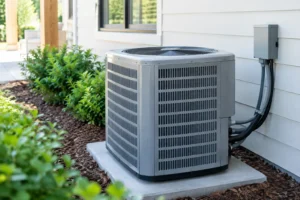
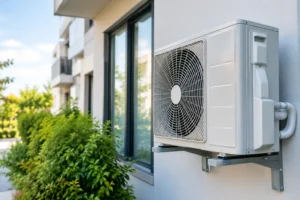
The indoor unit is the part that delivers conditioned air into the room. The outdoor unit releases or absorbs heat, depending on whether the system is cooling or heating. Between them are refrigerant lines, electrical cables, and a condensate drain. The controls also need to be installed and configured, whether that means a handheld remote, wall controller, or smart app integration.
A professional installation is really about making all of those elements work together as one system. If one part is poorly fitted, the entire setup can suffer.
What happens during air conditioning installation?
The installation itself usually follows a clear sequence. After confirming the layout, the installer mounts the indoor unit or units, secures the outdoor condenser in a suitable position, and runs the necessary pipework and cabling between them. Holes may need to be drilled through external walls, and drainage must be routed correctly so condensation leaves the system without causing leaks.
The electrical side is equally important. Air conditioning systems need the correct power supply, proper isolation, and safe connection methods that meet current standards. This is not an area for guesswork. A reliable contractor will make sure the installation is compliant, safe, and suitable for the specific load of the unit being fitted.
Once the physical installation is complete, the system is pressure tested, evacuated, and commissioned. That means the installer checks for leaks, removes moisture and air from the pipework, confirms refrigerant performance, and tests the system in operation. Airflow, temperature response, control settings, and drainage all need to be verified before the job is considered finished.
This final stage is one of the biggest differences between a quick fit and a proper installation. A unit that turns on is not necessarily a unit that has been installed correctly.
Choosing the right system matters as much as the install
A good installation can only do so much if the system itself is wrong for the building. That is why a site survey is such an important part of the process. It helps identify the right unit type, output, and layout before any recommendation is made.
For example, a single wall-mounted unit may be ideal for a living room or small office. A multi-room home, restaurant, salon, or office suite may need several indoor units with zoned control. In some properties, aesthetics matter just as much as performance, so concealed or cassette-style systems may make more sense. In others, budget and speed of installation are the main drivers.
There is no universal best option. The right answer depends on the room size, insulation levels, glazing, occupancy, equipment heat load, and how often the space is used. That is why straightforward advice from an experienced installer is worth more than choosing a system based on headline price alone.
Residential and commercial installation are not quite the same
Homeowners often focus on comfort, appearance, and energy bills. Business owners and facilities teams may be more concerned with uptime, zoning, staff comfort, equipment protection, and minimizing disruption during working hours. The installation process shares the same core principles, but the planning can differ quite a bit.
In a house or apartment, the priority may be quiet operation and a clean finish. In a commercial setting, the discussion may center on multiple rooms, control access, operating schedules, and whether the system can support year-round demand. A retail unit, for instance, may need stable temperatures near the front of house, while an office may need more even cooling across several occupied areas.
That is why experienced contractors treat air conditioning installation as a tailored service rather than a one-size-fits-all package.
How long does air conditioning installation take?
It depends on the size and complexity of the job. A straightforward single-room installation may be completed in a day. A multi-room system or commercial fit-out can take longer, especially if access is limited, electrical upgrades are required, or pipe runs need careful planning.
Customers often expect the visible fitting to be the only part that takes time, but surveying, equipment selection, scheduling, and commissioning all play a role. A faster job is not always a better one. Careful installation reduces the risk of callbacks, leaks, poor performance, and avoidable wear on the system.
What should you expect from a professional installer?
You should expect clear advice, a proper survey, transparent quoting, and a recommendation based on the building rather than a generic sales pitch. You should also expect neat workmanship, respect for the property, and a full handover at the end of the job.
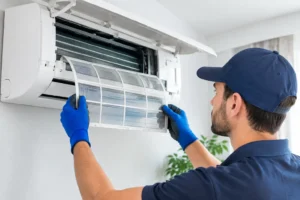
That handover matters. Once installed, the contractor should explain how to use the controls, what temperature settings make sense, how basic cleaning works, and when servicing should be scheduled. Even premium equipment will not deliver its best performance if it is poorly maintained or used incorrectly.
For customers in Essex, this is often where a trusted local contractor stands out. Local knowledge helps with property types, planning practical access, and providing support after the installation if service or maintenance is needed later.
Common misunderstandings about air conditioning installation
One common misunderstanding is that installation is mainly about cooling. Many modern systems are heat pumps, which means they can provide efficient heating as well. For many homes and businesses, that adds real value beyond the summer months.
Another misconception is that installation is always disruptive. Some projects are more involved than others, but a well-planned install is usually far more straightforward than people expect. The key is preparation – choosing sensible unit locations, planning the route for pipework, and keeping the work organized from the start.
There is also a tendency to judge systems by upfront price alone. Cost matters, of course, but the cheapest option can become expensive if it is noisy, inefficient, badly sized, or unreliable. Installation quality has a direct effect on long-term running costs and system lifespan.
Why installation quality affects long-term performance
Air conditioning is not a product you simply buy off the shelf and forget about. It is a system that needs to be designed and installed properly if you want dependable performance. Poor drainage can lead to leaks. Poor pipework practices can reduce efficiency. Weak positioning can create uneven temperatures or unnecessary noise. Small mistakes at installation stage often turn into larger problems later.
That is why the best installation work often looks simple from the outside. The units are placed well, the finish is tidy, the controls are easy to use, and the system just works. Behind that is careful planning, technical skill, and proper testing.
If you are considering a new system, the most useful way to think about what is air conditioning installation is this: it is the process that turns equipment into reliable, everyday comfort. Done well, it gives you clean, controlled temperature management that suits the space, supports efficiency, and keeps working when you need it most. A good installer does not just fit a unit – they make sure the whole system is right for the way you live or work.