A warm shop floor, a stuffy changing room or a customer-facing area that never quite cools down can cost more than comfort. It can shorten visits, affect staff concentration and leave a poor impression of your premises. Rayleigh shop air conditioning repair should deal with the immediate fault while identifying why the system stopped performing as it should.
For independent retailers, salons, convenience stores, offices and larger commercial units, a dependable system is part of running the business properly. The right response is not always a full replacement. A skilled assessment can often pinpoint a repair that restores efficient cooling and helps prevent the same issue returning.
When a shop air conditioning fault needs attention
Air conditioning problems do not always begin with a complete breakdown. A unit may still switch on, yet struggle to cool the room, take much longer than usual to reach the set temperature or run constantly without delivering a comfortable result. These are warning signs worth acting on before a busy trading day turns into an uncomfortable one.
Unusual noise is another common signal. Rattling, buzzing, clicking or grinding can point to loose components, a fan issue, electrical faults or wear within the system. Water dripping from an indoor unit also needs prompt attention. It may be caused by a blocked condensate drain, a poorly maintained filter or an installation issue that requires professional inspection.
A noticeable rise in energy bills can be just as revealing. When a system is dirty, low on refrigerant, incorrectly controlled or working against an underlying fault, it has to run harder to achieve less. Repairing the cause can protect your monthly operating costs as well as the comfort of people in the shop.
Why quick diagnosis protects your business
Waiting for a convenient time to arrange a repair can be tempting, particularly if the unit is still providing some cooling. However, a minor issue can put extra strain on parts that are otherwise serviceable. A worn fan motor, restricted airflow or electrical connection problem may develop into a more expensive failure if it is left unattended.
There is also the customer experience to consider. In smaller shops, heat builds quickly when doors open regularly, lighting is on throughout the day and several people are moving through the same space. In salons, treatment rooms and premises where staff are active, an uncomfortable temperature can become apparent even sooner.
A responsive repair visit allows the fault to be assessed on its own merits. Some issues are straightforward, such as a blocked filter, failed capacitor or drainage blockage. Others need a more detailed investigation, particularly where refrigerant pressures, controls or electrical circuits are involved. A proper diagnosis avoids spending money on a temporary fix that does not address the real problem.
What a professional repair visit should cover
Effective Rayleigh shop air conditioning repair begins with understanding how the unit is behaving and when the problem occurs. For example, a system that cools well in the morning but fails during the afternoon may be coping poorly with peak heat load, restricted airflow or a component that becomes unreliable after prolonged use.
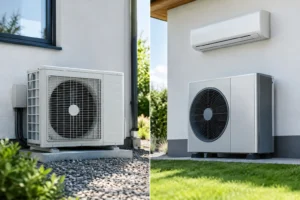
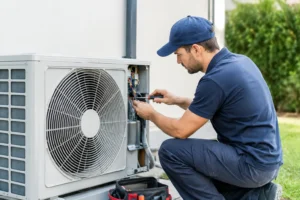
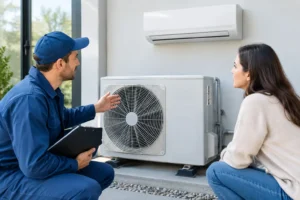
An experienced technician will inspect the indoor and outdoor units, check filters and coils, review drainage, examine electrical connections and assess system controls. Where appropriate, they will test operating pressures and temperatures to establish whether the equipment is cooling efficiently and safely.
The outcome should be clear and practical. You need to know what has failed, what work is recommended, whether the repair is likely to restore reliable performance and if there are any wider concerns to plan for. This is particularly useful for landlords and facilities managers responsible for several units or occupied commercial premises.
Repair or replacement: making the sensible call
Replacement is not automatically the right answer when an air conditioning unit develops a fault. If the equipment is relatively modern, correctly sized for the space and otherwise well maintained, a targeted repair can offer excellent value. Replacing a part and arranging ongoing maintenance may give the system many more years of useful service.
That said, replacement can make better financial sense where a unit has repeated faults, uses older refrigerant technology, has become inefficient or is no longer suitable for the shop layout. A system that was adequate before a refurbishment, extra refrigeration equipment or a change in occupancy may now be undersized.
The decision depends on repair cost, the age and condition of the equipment, expected energy use and the business impact of future downtime. A straightforward recommendation should reflect those factors rather than push a one-size-fits-all solution.
Simple checks your team can make safely
Before arranging a callout, there are a few sensible observations staff can make without opening the unit or attempting a repair. Check that the controller is set to cooling rather than heating, that the target temperature is realistic and that no timer programme has switched the system off unexpectedly. It is also helpful to confirm that power has not been interrupted at the local isolator or consumer unit.
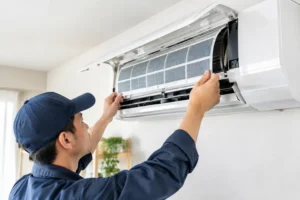
Look for visible issues around the indoor unit, including a dirty filter, signs of water leakage or objects blocking air outlets. Outside, make sure the condenser has not been obstructed by stored stock, packaging or overgrown vegetation. Good airflow around both parts of the system is essential.
Do not remove covers, handle electrical parts or attempt to top up refrigerant. Refrigerant work must be carried out by suitably qualified professionals, and an apparent gas issue may actually be caused by another fault. Recording error codes, unusual sounds and the times when the problem occurs will help the technician diagnose the issue more efficiently.
Preventing avoidable breakdowns
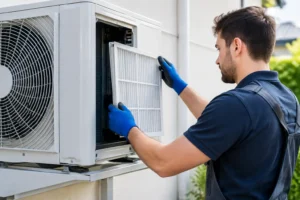
Most unexpected failures are not entirely unpredictable. Regular maintenance gives technicians the opportunity to clean filters and coils, inspect drainage, test key components and spot wear before it interrupts trading. It also helps maintain healthy airflow, which supports better cooling performance and cleaner indoor air.
The right maintenance frequency depends on how the shop operates. A quiet office with limited daily use has different needs from a busy high-street retailer, salon or premises where doors are open for long periods. Systems operating year-round for cooling and heating should be checked more regularly than equipment used only during warmer months.
Daily habits matter as well. Keeping vents clear, reporting small changes promptly and avoiding extreme temperature settings all reduce unnecessary strain. Setting the thermostat dramatically lower will not cool a shop faster. It simply encourages the system to run longer and can increase energy consumption.
Choosing a local commercial repair specialist
A shop owner needs more than a contractor who can arrive and change a part. Commercial air conditioning repair calls for an understanding of downtime, customer comfort and the need to keep disruption to a minimum. Clear communication is especially valuable when repairs need to be scheduled around opening hours, deliveries or customer appointments.
Look for experienced technicians who can work across common commercial systems, explain the diagnosis plainly and provide a transparent recommendation. A local Essex contractor can offer practical support when a fault affects a Rayleigh premises, with the benefit of ongoing servicing should you want to protect the system after the repair.
Essex Air Conditioning provides professional repair, installation and maintenance support for businesses that need their cooling systems to remain dependable. Whether the issue is a sudden breakdown or a unit that is gradually losing performance, early action gives you more options and helps keep your shop comfortable for staff and customers alike.
If your air conditioning is making unusual noises, leaking, failing to cool or costing more to run, arrange an expert inspection before the next busy period exposes the fault further.