A room can feel stuffy long before there is an obvious fault with the heating or air conditioning. Persistent dust, lingering cooking smells, traffic pollution, allergies and uneven airflow are all signs that the air moving through a property may need attention. This guide to air filtration upgrades explains what can make a genuine difference in Essex homes and workplaces, and where simply fitting a stronger filter is not the right answer.
Air quality is not one single issue. A filter that captures fine particles may not remove odours or excess moisture. Equally, bringing in fresh outdoor air can improve carbon dioxide levels but may introduce pollen or pollution unless it is filtered properly. The right solution starts with the building, the existing system and the people using the space.
Why upgrade air filtration?
A well-chosen filtration upgrade can reduce airborne dust, pollen, mould spores and other fine particles circulating through an air conditioning or ventilation system. For households, this can mean less dust settling on surfaces and more comfortable conditions for allergy sufferers. For offices, shops, clinics and rental properties, it can support a cleaner, more pleasant environment for staff, visitors and tenants.
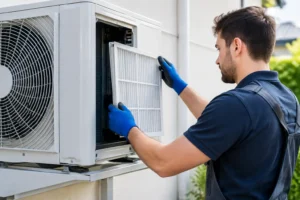
Filtration also protects equipment. Dust collecting on indoor coils, fans and ductwork can restrict airflow and make a system work harder than it should. That can affect comfort, increase running costs and contribute to avoidable faults over time. Replacing or improving filters as part of planned maintenance is often one of the simplest ways to support reliable performance.
That said, a higher-rated filter is not automatically better. If it restricts airflow beyond what the system can handle, it may reduce heating or cooling output and place unnecessary strain on the fan. Professional assessment matters because the upgrade must work with the unit rather than against it.
The main types of air filtration upgrade
Better standard panel or pleated filters
Many domestic and light commercial systems use basic filters designed mainly to protect the equipment from larger dust particles. Upgrading to a quality pleated filter can improve particle capture without a major alteration to the installation. It is often a sensible first step where the system has adequate fan capacity and the existing filter arrangement allows for it.
Filter performance may be described using different rating systems. In the UK and Europe, ISO 16890 ratings are common, with ePM1 filters designed to capture a proportion of the finest particulate matter. These finer particles are particularly relevant near busy roads or in properties affected by outdoor pollution. The specific grade should be selected for the system and the intended use of the space.
High-efficiency particulate filtration
HEPA filters are capable of capturing very small particles and are widely associated with healthcare settings, laboratories and specialist clean-air applications. They can be valuable in the right environment, but they are not a straightforward replacement for an ordinary air conditioning filter.
A true HEPA filter creates substantial resistance to airflow. The ventilation unit may need a more powerful fan, a redesigned filter housing and careful sealing around the filter frame. Without those changes, fitting one can lead to poor airflow and disappointing results. For most homes and standard offices, a properly specified high-efficiency filter combined with good ventilation is often the more practical approach.
Activated carbon filters for odours and gases
Particulate filters catch solid or liquid particles in the air. They do not reliably deal with smells, fumes or many gaseous pollutants. Activated carbon filtration is designed to adsorb certain volatile organic compounds and odours, making it useful where cooking smells, cleaning products, nearby traffic or light commercial activities affect indoor comfort.
Carbon filters have limits. Their effectiveness depends on the amount of carbon, the type of contaminant, airflow speed and how saturated the filter has become. They require replacement at suitable intervals and should not be treated as a substitute for controlling the source of a strong odour or chemical emission.
Standalone air purifiers
A portable air purifier can help in a single bedroom, reception area, meeting room or other enclosed zone, especially where there is no ducted ventilation system to upgrade. Look at the clean air delivery rate, which should be appropriate for the room size, rather than relying on broad claims on the packaging.
These units can supplement a wider strategy, but they only clean air that passes through them. They do not replace fresh-air ventilation, solve damp problems or correct an underperforming air conditioning system. Placement, operating time and regular filter changes all affect the result.
Air filtration and ventilation work together
Filtration recirculates and cleans some of the air already inside a building. Ventilation introduces outdoor air and removes stale indoor air. Both have a role, particularly in occupied commercial spaces where carbon dioxide levels can rise through the day.
If a meeting room becomes uncomfortable when it is full, the issue may be inadequate outdoor air rather than poor filtration. If a bedroom feels fresh after the windows have been open but suffers from pollen during spring, filtered mechanical ventilation may offer a better balance. In a property near a main road, a system may need both suitable particulate filtration and a sensible approach to outdoor-air intake location.
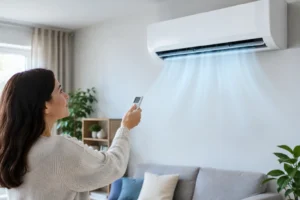
Air conditioning can improve comfort by controlling temperature and, in many cases, humidity. However, a wall-mounted split air conditioning unit is not automatically a fresh-air system. It usually recirculates the air within the room. This is why a survey should consider the whole indoor environment rather than focusing only on a filter upgrade.
How to choose the right upgrade
Begin with the problem you want to solve. Frequent dust may call for improved particle filtration. Allergy symptoms may require attention to pollen and fine particles. Musty smells could point to damp, blocked drainage, dirty coils or a ventilation issue. Stale air in a busy workplace may indicate that fresh-air provision needs improvement.
Next, consider the system itself. The available filter size, fan capacity, ductwork condition and access for maintenance determine what is realistic. A filter is only effective when it fits correctly. Air will take the path of least resistance, so gaps around a filter frame can allow unfiltered air to bypass it.
For commercial premises, the operating pattern matters too. A small office open five days a week has different requirements from a salon, café, warehouse, classroom or medical setting. Higher occupancy, long opening hours and local pollution levels can all justify a more tailored specification.
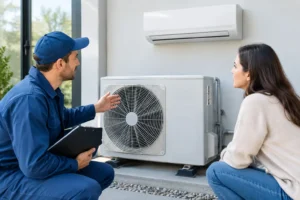
A professional survey is particularly worthwhile when you are considering a significant upgrade, installing new ventilation or dealing with repeat indoor-air complaints. Essex Air Conditioning can assess existing equipment, explain the practical options and recommend an approach that protects comfort without placing undue demand on the system.
Maintenance determines whether the upgrade delivers
Even the correct filter will underperform if it is left in place too long. As a filter loads with dust, resistance rises and airflow can fall. The replacement interval depends on the filter grade, the hours the system runs, occupancy, pets, nearby traffic, building work and seasonal pollen levels.
There is no universal timetable. Some domestic filters may need checking every few months, while busy commercial systems may need more frequent inspection. A maintenance visit should also look beyond the filter at coil cleanliness, condensate drainage, fans, electrical components and airflow. These parts work together, and a dirty indoor coil can undermine the benefits of new filtration.
Keep a simple record of filter changes, particularly in managed buildings. It helps facilities teams plan costs, identify unusually rapid loading and demonstrate that the ventilation system is being maintained responsibly.
Avoid common air quality mistakes
Do not block grilles or vents because they feel draughty. Restricting airflow can worsen ventilation and cause the system to operate inefficiently. The better solution may be to adjust airflow settings, diffuser direction or the balance of the system.
Avoid relying on fragrance products to cover persistent smells. If an odour remains, find its source. Damp materials, drainage faults, dirty components and insufficient extract ventilation need resolving directly.
Finally, do not assume that opening windows is always the best response. It may be helpful in mild weather, but it can introduce road dust, pollen, noise or humid air. The most suitable arrangement depends on the property and the specific air-quality concern.
Cleaner indoor air is usually achieved through a combination of sensible filtration, adequate ventilation and regular system care. Start with the issue people are actually experiencing, then choose an upgrade your equipment can support and maintain it properly for lasting results.