A small puddle beneath an indoor air conditioning unit can quickly become a stained ceiling, damaged flooring or an unwelcome disruption to a workplace. The good news is that most leaks are avoidable. To prevent aircon water leaks, the priorities are keeping airflow clear, allowing condensate to drain properly and arranging maintenance before a minor fault becomes costly damage.
Air conditioning naturally produces water as it removes humidity from the air. In a correctly installed and maintained system, that moisture is collected in a tray and carried safely away through a condensate pipe. Water appearing inside the property is a sign that part of this process needs attention.
Why air conditioning units leak water
A leaking unit is not always a major mechanical failure. More often, the cause is restricted drainage or poor airflow. Dust, airborne debris and biological build-up can block the condensate drain line over time. Water then backs up into the indoor unit until it overflows.
Dirty filters are another common issue. When filters restrict airflow, the indoor coil can become excessively cold and freeze. Once the ice melts, it can produce more water than the tray and drain can manage, particularly if the drainage system is already partially blocked.
Installation quality matters too. An indoor unit must be mounted level and the condensate pipe needs the correct fall so water can drain away. A pipe that is kinked, poorly supported or routed uphill can hold water and cause recurring leaks. In commercial premises, where systems may run for long periods, these details are especially important.
How to prevent aircon water leaks with routine checks
Simple, safe checks can significantly reduce the chance of a leak. They do not replace professional servicing, but they help you spot developing problems early.
Keep air filters clean
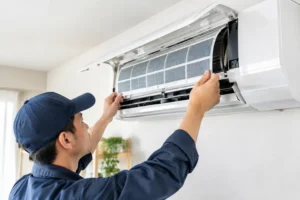
Check the filters every month during regular use. In a home with pets, open windows or high occupancy, they may need attention more often. Remove washable filters only in line with the manufacturer’s instructions, clean them gently and allow them to dry fully before refitting.
Clean filters help the system move air efficiently, reduce strain on components and lower the likelihood of coil icing. If a filter is damaged or cannot be cleaned properly, it should be replaced rather than forced back into service.
Look for early warning signs
Do not wait for water to reach the floor. Condensation marks on the casing, a musty smell, reduced cooling, dripping sounds or water marks on a wall are all reasons to investigate. A system that switches off unexpectedly may also have activated a condensate safety float switch, where one is fitted.
Turn the unit off if water is visibly leaking near electrical components. Place towels beneath the affected area to protect finishes, but avoid removing covers or attempting to dismantle the unit. Water and electrics are not a sensible DIY combination.
Keep the area around the unit clear
Indoor units need unobstructed airflow. Avoid placing tall furniture, stock, curtains or shelving directly in front of them. Restricted airflow can contribute to frozen coils and makes it harder to notice a small drip before it becomes a larger problem.
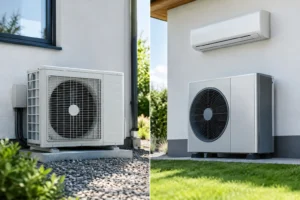
For outdoor units, keep leaves, grass cuttings and loose debris away from the casing. This will not usually cause an indoor water leak directly, but it supports efficient operation and reduces unnecessary strain on the complete system.
Pay attention to the condensate drain
The condensate drain is often the source of the problem. It is designed to carry clean-looking water, but that water can still encourage algae, mould and slime inside the pipe. Over time, the build-up narrows the line and creates a blockage.
You may be able to see the external end of the drain pipe. During operation in warm, humid conditions, a gentle flow or occasional dripping outside is usually normal. No discharge does not automatically mean there is a fault, as moisture levels and operating conditions vary, but it is worth noting alongside other symptoms such as poor cooling or indoor dripping.
Avoid pouring bleach, harsh drain chemicals or improvised cleaning products into an air conditioning unit. These can damage components, create fumes and may not remove a blockage further along the pipe. A qualified technician can clear and flush the condensate line correctly, inspect the tray and confirm that the pipe has the right route and fall.
Avoid settings that encourage coil icing
Running an air conditioner at its lowest temperature for hours may feel like the quickest route to comfort, but it can place the system under unnecessary pressure. Set a sensible target temperature and allow the unit to regulate the room gradually. For many homes and offices, a comfortable setting is more efficient than trying to create an artificially cold space.
If you notice frost or ice on the indoor unit, switch the system off and allow it to thaw. Do not chip ice away or restart it repeatedly in the hope that the issue will clear. Frozen coils may result from dirty filters, a fan problem, restricted airflow or low refrigerant, and the latter requires a certified air conditioning engineer.
Why professional maintenance makes the difference
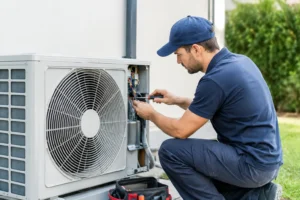
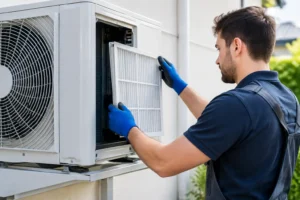
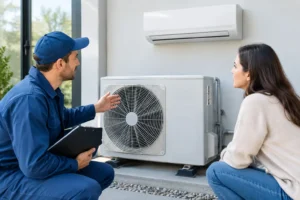
Regular maintenance is the most dependable way to prevent aircon water leaks, particularly for systems used daily in shops, offices, rental properties and busy family homes. A professional visit goes beyond wiping the visible casing. It should include checking filters, coils, fans, condensate trays, drain pipes, electrical connections and overall operation.
A technician can also identify installation-related issues that are easy to miss. A slight change in pipe position, a sag in the drain run or a poorly supported section may only cause intermittent leaks at first. Correcting it early is usually far simpler than repairing water-damaged plasterboard, ceiling tiles or flooring later.
The right maintenance interval depends on how the system is used. A lightly used bedroom unit may need less frequent attention than a commercial system operating through long opening hours. As a practical rule, an annual service is sensible for many domestic systems, while commercial equipment often benefits from planned maintenance at least twice a year. Sites with kitchens, high dust levels, server equipment or heavy footfall may require more frequent checks.
When to call for an air conditioning repair
Some situations should not be left until the next scheduled service. Arrange a professional inspection if the unit is repeatedly leaking, water is coming through a ceiling, cooling performance has noticeably dropped, the system is freezing, or there is a persistent musty odour.
It is also wise to act promptly if a leak follows recent installation work, redecorating, building alterations or a period when the system has not been used. Drain pipes can be disturbed, and dormant debris in the line can become apparent when the unit is switched back on.
For landlords and business owners, speed matters. Water damage can affect tenants, staff, stock and electrical equipment, while an out-of-service system can make a room uncomfortable at the point it is needed most. Keeping a record of servicing and repairs also makes it easier to spot repeat faults and plan maintenance around your busiest periods.
A practical approach for Essex properties
Essex homes and businesses often rely on air conditioning most heavily during warm spells, when systems may move large amounts of moisture in a short time. That is exactly when a neglected drain line is most likely to show itself. Checking filters before the warmer months and booking maintenance ahead of peak demand gives you more control and reduces the risk of an inconvenient callout.
If you have noticed dripping, staining or reduced performance, do not assume it will settle on its own. A prompt inspection protects the system and the property around it. Essex Air Conditioning can assess the cause, carry out the required repair and help put a maintenance plan in place that keeps your unit running cleanly and reliably.