A single hot bedroom, a south-facing office or a whole property that never feels comfortable all call for different solutions. The choice between ducted versus split aircon is not simply about which system looks better. It affects installation work, day-to-day comfort, running costs and how easily the system can grow with your property.
For many Essex homes and businesses, a wall-mounted split system is the most direct and cost-conscious answer. Ducted air conditioning can be an excellent long-term choice where discreet whole-property climate control is the priority. The right option depends on the building, the rooms you need to condition and how you use them.
Ducted versus split aircon: the key difference
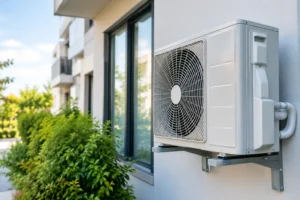
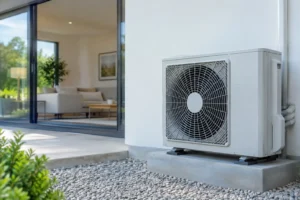
A split air conditioning system has an indoor unit connected to an outdoor condenser. The indoor unit is usually mounted high on a wall, although floor-standing, ceiling cassette and concealed units are also available. A standard single split system serves one room or defined area.
A multi-split system uses one outdoor unit to serve several indoor units. Each room can usually be controlled independently, making this a flexible option for bedrooms, home offices, shops and smaller commercial premises.
Ducted air conditioning uses a concealed indoor unit, normally installed in a loft void, ceiling space or dedicated plant area. Conditioned air travels through ducts to discreet grilles or diffusers in each room. The system can cover multiple rooms from a central unit, with zoning available on suitable designs.
The visible difference is obvious. Split aircon places the indoor unit in the room. Ducted aircon hides the main equipment and leaves only grilles on show. However, the more significant difference is what each system requires behind the scenes.
When split air conditioning is the better choice
Split air conditioning is often the practical choice when comfort is needed in one or a small number of rooms. A homeowner may want cooling in a loft bedroom that overheats in summer, or reliable heating and cooling in a garden office. A café may need to improve comfort for customers in its seating area without closing for extensive building works.
Installation is generally less disruptive because there is no network of ducts to design and fit. The indoor and outdoor units are connected by refrigerant pipework, electrical cabling and a condensate drain. With a suitable route and access, this can often be completed efficiently.
Split systems also give strong room-by-room control. If only one room is occupied, you can condition that space without cooling or heating the rest of the building. Modern inverter air conditioning adjusts its output to match demand, which supports efficient operation when the system is correctly sized.
For landlords, small business owners and homeowners working to a defined budget, splits can offer an accessible route to effective climate control. They are also easier to add over time. For example, you might begin with a living room unit, then add bedroom or office units through a planned multi-split arrangement if the property and outdoor unit capacity allow.
The trade-off is appearance. Even premium wall-mounted units remain visible, and each conditioned room requires an indoor unit. Some people do not mind this at all. Others, particularly those completing a high-specification renovation or fitting out customer-facing premises, prefer a more concealed finish.
Where ducted air conditioning makes sense
Ducted aircon is best considered when you are refurbishing, extending or building a property, as ceiling and loft access is available before finishes are complete. It is particularly well suited to larger homes, open-plan spaces, offices, clinics, hospitality venues and premises where visual presentation matters.
The system can deliver a clean, understated result. Instead of multiple wall units, rooms have carefully positioned linear grilles, ceiling diffusers or discreet vents. This can preserve wall space for furniture, displays or artwork and can complement contemporary interiors.
Ducted systems can also be designed around zones. A property might have separate control for bedrooms, living areas and offices, so occupied areas receive attention without unnecessarily conditioning every room. The exact level of zoning depends on the equipment, duct design and controls specified.
That flexibility should not be confused with unlimited individual control. A multi-split system commonly allows each indoor unit to respond directly to the requirements of its own room. With ducted air conditioning, rooms on the same zone may operate together unless additional dampers and controls are incorporated. More zones increase control, but they also increase design complexity and cost.
Ducted aircon needs adequate space for the indoor unit, ductwork, insulation, access panels and condensate drainage. Ducts must be sized properly and routed carefully to prevent excess noise, restricted airflow and avoidable energy loss. This is why a proper site survey matters far more than a quick, generic price estimate.
Installation cost and disruption
Initial cost is usually the clearest dividing line in ducted versus split aircon. A single split system will normally cost less than a ducted installation because it uses less equipment and requires less labour. A multi-split system costs more than a single split but may still be more economical than ducted air conditioning for several rooms where concealment is not essential.
Ducted installations involve more than fitting an air conditioning unit. They can require ceiling works, boxing-in, access hatches, grille installation, duct insulation and coordination with electricians, builders or decorators. In an occupied property, this can mean more disruption and subsequent making-good work.
That does not mean ducted aircon is poor value. In the right building, it can offer a premium finish and a comprehensive comfort solution that is difficult to achieve with separate wall units. It simply needs to be budgeted as part of the wider project, rather than treated as a like-for-like alternative to one room split air conditioning unit.
Outdoor-unit location also needs consideration with either approach. There must be sufficient airflow around the condenser, a practical route for pipework and safe access for future servicing. Noise, appearance and proximity to neighbours should be reviewed early, especially for flats, commercial premises and more closely built-up areas.
Running costs: design matters more than system type
Neither ducted nor split air conditioning is automatically cheaper to run. Running cost depends on the size of the space, insulation, glazing, heat gain from people and equipment, the temperature you set and how long the system operates.
Splits can have an advantage where only selected rooms need conditioning. You can cool the main bedroom at night, for example, without running units elsewhere. Ducted systems may be highly efficient when designed with sensible zoning and operated to suit the building’s routine.
The common mistake is choosing capacity based only on room size. A glass-heavy office, top-floor flat or busy retail area can have a much higher cooling load than a similarly sized room elsewhere. An undersized unit may run continuously without delivering comfort, while an oversized system can cycle inefficiently and control humidity poorly.
A professional survey should account for room dimensions, ceiling height, insulation, solar gain, occupancy, heat-producing equipment and intended usage. Getting this stage right protects comfort and operating costs for years.
Maintenance and reliability
Both systems require regular maintenance. Filters need cleaning, indoor and outdoor coils should be inspected, condensate drains need checking and the system should be assessed for correct operation. Commercial systems may require more frequent attention because of longer operating hours and heavier use.
Ducted systems add components that deserve careful inspection, including ducts, grilles, dampers and access points. Well-designed ductwork is not inherently difficult to maintain, but access must be planned from the beginning. A concealed installation should never mean inaccessible equipment.
Split systems are generally straightforward to service because the indoor units are visible and accessible. In either case, maintenance supports cleaner airflow, dependable performance and a longer working life. It also helps identify small problems before they become an inconvenient breakdown during a heatwave or busy trading period.
How to choose with confidence
Choose split air conditioning if you need a fast, effective solution for individual rooms, want independent control and prefer lower upfront costs. It is particularly suitable for bedrooms, living rooms, home offices and smaller commercial areas.
Consider ducted air conditioning if a discreet finish is essential, you are undertaking significant building work or you need a coordinated solution across several rooms. It is often the stronger option for properties with available ceiling or loft space and projects where design integration matters.
For many properties, the best answer is neither extreme. A concealed ducted unit may suit an open-plan ground floor, while discreet split units serve upstairs bedrooms. A site-specific design can combine comfort, appearance and budget rather than forcing the whole property into one approach.
Before making a decision, arrange a survey that considers how the building is used, not just where a unit can be fitted. Essex Air Conditioning can assess the practical options, explain the trade-offs clearly and provide a no-obligation quote built around the comfort your property actually needs.