A bedroom that holds onto heat can ruin your night long before morning arrives. If you are comparing the best air conditioning for bedrooms, the right choice is rarely the biggest unit or the cheapest one. It is the system that cools quietly, holds a steady temperature, and suits the way you actually use the room.
For most homeowners, the bedroom is where air conditioning has to work hardest in the most demanding conditions. You notice noise more. You notice draughts more. You notice poor temperature control straight away. A system that feels acceptable in a lounge or office can feel completely wrong once you are trying to sleep.
What makes the best air conditioning for bedrooms?
Bedroom cooling is not just about dropping the temperature as fast as possible. Good overnight comfort depends on a few factors working together – low noise levels, stable output, sensible placement, and correct sizing.
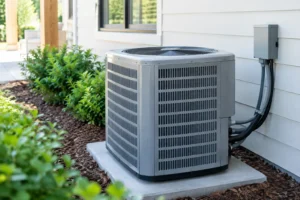
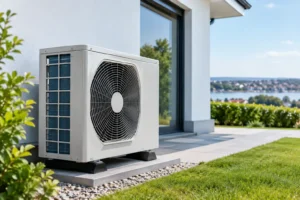
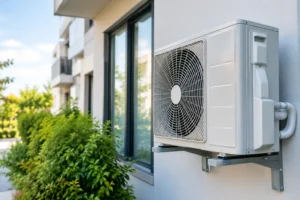
Noise is usually the first concern. If the indoor unit clicks, hums loudly, or ramps up and down aggressively through the night, it becomes a problem very quickly. Modern wall mounted split systems are often the strongest option because they are designed for quiet operation, with the noisier condenser positioned outside.
Temperature control matters just as much. Bedrooms tend to need a gentler, more consistent form of cooling than larger day-to-day living spaces. Oversized systems can cool the room too quickly, switch off, then start again soon after. That stop-start pattern can leave the room feeling uneven and can disturb light sleepers.
Airflow is another detail many people miss. Strong cold air blowing directly across the bed sounds good in theory, but in practice it can leave you waking up too cold, too dry, or simply uncomfortable. The best setup cools the room evenly rather than aiming all the output at one part of it.
The best type of air conditioning for a bedroom
In most homes, a fixed split air conditioning system is the best option for a bedroom. It gives you reliable cooling, quiet running, efficient performance and a neat, permanent installation. Compared with portable units, it is usually far better suited to regular use and far less intrusive once fitted.
A wall mounted split system is the common choice because it balances performance, appearance and cost well. It sits high on the wall, keeps floor space clear, and can usually be positioned to avoid blowing directly onto the bed. For a main bedroom, guest room, loft conversion or a home office that doubles as a spare room, this type of system is often the most practical answer.
Portable air conditioners appeal to people who want a quick fix, but they come with clear compromises. They are normally louder, bulkier, and less efficient. They also need a hose through a window or opening, which can make security, insulation and appearance less than ideal. For occasional short-term use they may do a job, but they are rarely the best long-term answer if restful sleep is the aim.
For some larger homes or properties with several rooms needing treatment, a multi-split system may make more sense. This allows more than one indoor unit to connect to a single outdoor unit. It can be a smart solution where appearance outside the property matters or where multiple bedrooms need cooling, although design and installation become more important.
Getting the size right
One of the biggest mistakes with bedroom air conditioning is choosing capacity based on guesswork. A small bedroom does not always need a small system, and a large one does not always need a powerful one. Ceiling height, insulation, window size, sun exposure and even how the room is used all affect what is required.
A south-facing bedroom with large glazing can become very warm by late afternoon and may hold that heat into the evening. A shaded room in a well-insulated house may need much less cooling power. Loft bedrooms are often the clearest example of why room size alone is not enough. They can become extremely hot in summer and usually need careful assessment.
Correct sizing supports efficiency as well as comfort. A unit that is too small may run constantly and struggle on hotter days. A unit that is too large can cool too aggressively and cycle too often. Neither gives the steady overnight performance most people want.
This is why a proper survey matters. An experienced installer will assess the room properly, recommend suitable capacity, and advise on placement rather than simply selling a standard unit.
Features worth paying for
Not every feature on a product sheet has real value, but a few are genuinely useful in bedrooms. A quiet or sleep mode is one of them. This reduces fan speed and operating noise while maintaining a comfortable environment through the night.
Inverter technology is another important one. It allows the system to adjust output gradually instead of constantly turning fully on and off. In practical terms, that means steadier temperatures, better efficiency and less disruption.
A timer or smart control can also be useful. Some homeowners prefer to cool the room before bed, then let the system run at a low level overnight. Others want it to switch on before they go upstairs. Good controls make that easy and can help keep running costs sensible.
Air filtration has value too, particularly in homes where dust or seasonal allergens are a concern. It is worth being realistic, though. Air conditioning can help improve indoor air quality, but it is not a substitute for a dedicated ventilation strategy where that is needed.
Installation matters more than many people expect
Even the best bedroom air conditioning unit can underperform if the installation is poor. Positioning affects noise, airflow and overall comfort. The indoor unit should be located where it can distribute air effectively without creating a direct cold draught across the bed.
Outdoor unit placement deserves thought as well. It needs suitable clearance, stable mounting and sensible positioning in relation to neighbours and the property layout. A good installation should feel tidy, considered and discreet, not like an afterthought.
Pipe runs, condensate drainage and electrical supply all need to be handled properly. This is one reason many homeowners prefer working with an established local contractor. In areas across Essex, property styles vary significantly, from newer homes and flats to older houses with more installation constraints. A survey helps identify the cleanest and most practical route from the start.
Running costs and long-term value
For many customers, the best air conditioning for bedrooms is not simply the cheapest to buy. It is the one that delivers dependable comfort without creating unnecessary running costs or future repair issues.
A higher quality unit from a reputable manufacturer will often cost more upfront, but it usually repays that through better efficiency, lower noise, and more reliable long-term performance. Bedrooms tend to expose weaknesses quickly. If a system is noisy, inconsistent or awkward to use, you will notice it every night.
Maintenance also affects value. Filters need to be kept clean and the system should be serviced periodically to maintain performance and hygiene. A neglected system can lose efficiency and may start to produce odours or reduced airflow. The aim is not just to install air conditioning, but to keep it working properly year after year.
When a bedroom air conditioning system is especially worthwhile
Some rooms justify air conditioning more than others. Loft conversions are a common example because they often overheat badly during warm spells. Bedrooms with large south or west facing windows can also become difficult to manage with blinds and open windows alone.
It is also a strong option for households where sleep quality is already under pressure. Young children, shift workers, older residents and anyone sensitive to heat often benefit most from reliable bedroom cooling. In these cases, the value is not only comfort. It is better rest and a room that remains usable during hotter weather.
Landlords can also see the benefit in certain properties, especially high-specification rentals or top-floor flats where summer temperatures become a recurring complaint. A professionally installed system adds practicality and can improve how the property is perceived.
How to choose with confidence
If you are deciding what to install, start with how the room behaves rather than what a brochure says. Ask whether the issue is all-day heat gain, evening stuffiness, poor airflow, or repeated sleep disruption during warm nights. That will shape the right solution.
Then focus on the essentials – correct sizing, quiet operation, efficient inverter performance and proper placement. Brand matters, but not as much as good design and installation. A premium unit installed badly will still disappoint.
For homeowners who want a dependable answer, a free survey and no-obligation quote is usually the sensible next step. It gives you a recommendation based on the actual room, your budget and how you want the system to perform, rather than a generic guess.
The best bedroom air conditioning should disappear into the background once it is running. If it keeps the room cool, the noise low and your sleep uninterrupted, it is doing exactly what it should.