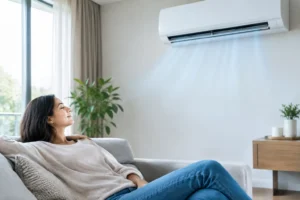
A room can feel sticky even when the temperature is not especially high. That is usually a humidity problem, and it leads many homeowners to ask: can aircon dehumidify a room as well as cool it? The short answer is yes. A properly operating air conditioning system removes moisture from the air while it cools, often making a living room, bedroom or office feel noticeably more comfortable.
However, air conditioning is not always a full replacement for a dedicated dehumidifier. The result depends on the system type, how it has been sized, the weather outside and the source of excess moisture in the property.
Can aircon dehumidify while it cools?
Yes. In cooling mode, an air conditioning unit draws warm indoor air across a cold indoor coil. As that air cools, the moisture it contains condenses into water on the coil. The unit then carries this condensate away through a drain, while drier, cooler air is returned to the room.
This is why air conditioning can make a room feel comfortable at a slightly higher temperature than you might otherwise expect. Lower humidity helps perspiration evaporate naturally from the skin, so the air feels less close and clammy.
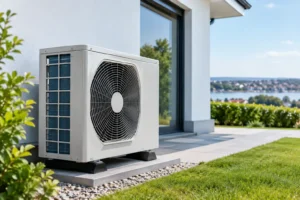
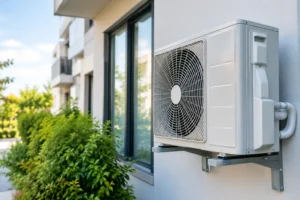
A wall-mounted split system, which is common in Essex homes and small commercial premises, can remove a meaningful amount of water during a warm, humid day. You may even see water dripping from the external condensate pipe. That is normal and is often a sign that the system is actively removing moisture.
The key point is that dehumidification is a by-product of cooling. The unit must generally run long enough, and its coil must be cold enough, to condense water from the air.
What does Dry Mode do?
Many modern air conditioning units have a Dry Mode, usually marked with a water droplet symbol on the remote control. This setting is designed to prioritise humidity reduction without cooling the room as aggressively as standard cooling mode.
In Dry Mode, the system typically runs the compressor and fan at lower or variable speeds. This keeps the coil cool enough to extract moisture while avoiding large temperature swings. It can be useful on muggy days when the room is already close to a comfortable temperature but still feels damp.
Dry Mode is particularly practical in bedrooms overnight, home offices and small retail spaces where a blast of cold air would be unwelcome. It is not identical across every manufacturer or model, however. Some systems run intermittently, while others make only a modest adjustment to normal cooling operation.
If the room is very hot, standard cooling mode is normally the better choice. It will reduce both temperature and humidity more quickly. Once the desired temperature is reached, Dry Mode may help maintain a more comfortable feel.
When air conditioning is enough
Air conditioning can be an effective humidity solution where the moisture is mainly caused by warm, humid outdoor air entering the property. This is often the case during summer heatwaves, after rainfall or in busy commercial spaces with people coming and going.
It works especially well when the system is correctly sized for the room, doors and windows are kept reasonably closed, and the unit receives regular maintenance. Clean filters and coils allow air to pass properly over the evaporator coil, supporting efficient cooling and moisture removal.
For many homes, a quality split air conditioning system provides enough humidity control in occupied rooms throughout the warmer months. It can also reduce condensation on cool surfaces during humid spells, provided the source of the moisture is not excessive.
In offices, salons, shops and small restaurants, lower humidity can also protect comfort and presentation. Staff and customers are less likely to feel overheated, while fabrics, paper products and certain stock are less exposed to damp conditions.
When a dehumidifier is the better option
A dedicated dehumidifier is usually more suitable when moisture is a year-round issue rather than a summer comfort issue. Unlike an air conditioner, it can remove water from the air without needing to make the room cold.
This matters in colder months. Running air conditioning in cooling mode during winter simply to tackle damp can leave a property uncomfortably chilly and use more energy than necessary. A dehumidifier produces a little warmth as it operates, which is often more helpful in a cold utility room, cellar, storage area or poorly ventilated flat.
Air conditioning also cannot fix the underlying cause of persistent damp. If there is a leaking pipe, defective guttering, rising damp, inadequate extraction in a bathroom or kitchen, or clothes regularly drying indoors without ventilation, that issue needs addressing directly. Masking the symptoms with either appliance risks mould growth, damage to finishes and poorer indoor air quality.
A dedicated unit may also be the more practical choice for an unheated garage, a laundry space or a room that needs drying but does not need cooling. In those settings, air conditioning installation purely for humidity control is unlikely to be the most cost-effective answer.
Why some air conditioning systems do not reduce humidity well
If your air conditioner cools the room but it still feels humid, the cause is not always a fault. System sizing and operation make a real difference.
An oversized unit can cool a room very quickly and switch off before it has had enough running time to remove much moisture. This is known as short cycling. The temperature may look right on the controller, but the air can still feel heavy. Correct sizing is therefore about more than choosing the highest capacity unit available.
A system that is too small has the opposite problem. It may run continuously during hot weather but struggle to bring either temperature or humidity down to a comfortable level. Solar gain through large windows, poor insulation, open-plan layouts and frequent door opening all increase the cooling load.
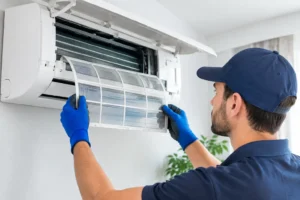
Maintenance is another factor. Dirty filters reduce airflow, while blocked condensate pipes can prevent water from draining correctly. A refrigerant issue, a dirty indoor coil or a failing component can also affect performance. If the system has stopped producing condensate on a humid day, or there is water leaking indoors, it should be inspected by a qualified air conditioning engineer.
Practical ways to get better humidity control
Start by using the right mode for the conditions. Cooling mode is best when the room is warm as well as humid, while Dry Mode can be useful when humidity is the main discomfort. Keep doors and windows closed while the unit is operating, otherwise humid outdoor air will continually replace the air being treated.
Set a sensible target temperature rather than turning the controller down to its lowest setting. Around 21°C to 24°C is comfortable for many people in summer, though individual preferences and room use vary. A moderate setting encourages steadier operation and avoids making the room feel overly cold.
Do not overlook ventilation. Kitchens and bathrooms need effective extraction to remove moisture at source. Use extractor fans during cooking and showering, cover pans where practical, and avoid drying washing indoors in living areas without ventilation. Air conditioning can help manage humidity, but it should work alongside good ventilation habits rather than compensate for their absence.
Regular servicing is equally valuable. A professional maintenance visit checks filters, coils, drainage and overall system performance, helping the unit cool efficiently and remove moisture as intended. This is particularly worthwhile before the warmer months, when systems in homes and businesses across Essex are likely to be used more heavily.
The right solution depends on the room
For a warm, muggy bedroom, lounge or office, air conditioning is often an excellent way to cool and dehumidify at the same time. For recurring winter condensation, mould or a damp utility area, a dehumidifier and better extraction may be more appropriate. In some properties, the best answer is both: air conditioning for summer comfort and a dedicated dehumidifier for seasonal moisture control.
If your system is not keeping rooms comfortable, do not assume a larger unit is the answer. Essex Air Conditioning can assess the space, its heat load, airflow and the likely cause of the humidity, then recommend a practical solution that suits how the property is actually used. A correctly specified and maintained system should make your indoor environment feel fresher, not merely colder.