A bedroom that stays hot long after sunset, a south-facing lounge that becomes unusable by mid-afternoon, or a home office where concentration disappears in the heat are not problems a desk fan can reliably solve. Well-chosen home air conditioning systems provide controlled cooling when you need it, but they can also offer efficient heating, cleaner air and more consistent comfort through much of the year.
The right solution is not necessarily the biggest or most expensive unit. It is the system designed around your rooms, how you use them and the practical details of your property. Getting those decisions right before installation makes a clear difference to running costs, performance and long-term reliability.
What a modern home system can do
Most domestic air conditioning installations use an air-to-air heat pump. In cooling mode, the indoor unit removes heat from the room and releases it outside through the external condenser. When the weather turns cooler, many systems can reverse this process to deliver warm air indoors.
That makes air conditioning useful beyond the few hottest weeks of summer. A properly specified unit can take the edge off chilly mornings, heat an extension without waiting for the central heating to come on, and maintain a comfortable temperature in loft rooms or garden offices that are difficult to regulate.
Modern inverter systems do not simply run at full power until a temperature is reached and then switch off. They adjust their output to maintain the chosen setting more steadily. This generally improves comfort, reduces unnecessary energy use and avoids the harsh on-off operation people often associate with older equipment.
Choosing between single-split and multi-split systems
For one room, such as a main bedroom, lounge or office, a single-split system is often the most straightforward choice. It connects one indoor unit to one outdoor unit and is usually cost-effective to install and maintain. It is a strong option where a single area causes the main comfort problem.
A multi-split system connects several indoor units to one outdoor condenser. This can suit a home with multiple bedrooms, an open-plan kitchen-diner and a separate office, particularly where outdoor space is limited. Each indoor unit can normally be controlled independently, so there is no need to cool unoccupied rooms.
There are trade-offs. A multi-split installation may reduce the number of outdoor units, but pipework design is more involved and the initial investment is higher. Separate single-split units can offer more flexibility if you intend to add cooling to the property in stages. A professional survey will establish which arrangement works best for the building rather than applying a one-size-fits-all answer.
Wall-mounted units are popular for good reason
Wall-mounted indoor units are the most common choice in houses and flats because they are compact, quiet and capable of distributing conditioned air effectively. Positioned high on a wall, they keep floor space clear and are well suited to bedrooms, living rooms and home offices.
Other options are available where appearance or layout requires a different approach. Ceiling cassettes can work in larger open rooms with suitable ceiling voids, while ducted systems can provide a more concealed finish during major refurbishment. These solutions need careful planning, so they are usually most appropriate when building work is already taking place.
Sizing home air conditioning systems correctly
System size is one of the most important decisions in any installation. An undersized unit will struggle during peak heat, run for longer than necessary and may never bring the room down to a comfortable temperature. An oversized unit can cool the air too quickly without managing humidity effectively, cycle inefficiently and cost more than it should.
Room dimensions are only the starting point. A competent installer will also consider ceiling height, window size and direction, insulation, glazing, the number of people using the space and heat from cooking or electrical equipment. A small west-facing office with large glass doors can have a greater cooling demand than a larger, shaded bedroom.
In Essex homes, conservatories, loft conversions and newer extensions often need particular attention. Their glazing, roof construction or exposure to the afternoon sun can create significant heat gain. The answer may be a higher-capacity unit, better positioning, solar shading, or a combination of measures. Good advice should explain why a particular capacity has been recommended rather than relying on room size alone.
Placement matters as much as equipment choice
Even premium equipment will disappoint if it is poorly located. An indoor unit should be positioned to distribute air across the room without blowing directly at the bed, sofa or desk for long periods. It also needs clear airflow around it, accessible filters and a practical route for pipework and condensate drainage.
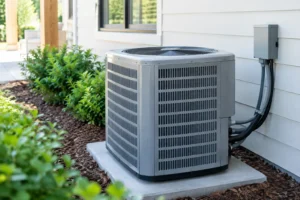
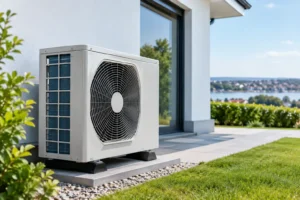
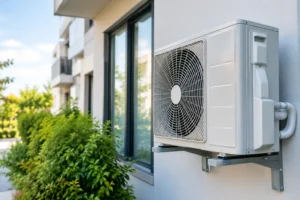
The outdoor unit needs secure mounting, adequate ventilation and sufficient clearance to reject heat efficiently. Noise should be considered for both your household and neighbours, particularly in terraced properties or where the condenser is near a bedroom window, boundary or patio. Modern units are quiet, but thoughtful positioning remains essential.
A site survey helps identify these details early. It can also flag planning considerations, electrical requirements, access constraints and the most discreet route for services. Cutting corners here often leads to visible trunking in the wrong place, drainage issues or compromises that could have been avoided.
Look beyond the purchase price
It is sensible to compare quotes, but the lowest figure is not always the best value. The quality of installation affects system efficiency, lifespan and the likelihood of future faults. Refrigerant pipework must be correctly sized, pressure-tested and installed to manufacturer requirements. Electrical connections, condensate drainage and mounting arrangements all need the same care.
When reviewing a proposal, check what is included: the equipment model, number and position of indoor units, pipework runs, electrical work, condensate drainage, commissioning and warranty arrangements. Ask whether the quoted capacity is based on a survey and whether the installer is appropriately qualified to handle refrigerants.
A reputable contractor should be clear about costs and realistic about the work involved. If an installation needs a longer pipe route, specialist access equipment or electrical upgrades, it is better to understand that before work begins than to face unexpected changes later.
Energy efficiency and everyday running costs
Air conditioning costs depend on the system size, room heat gain, electricity tariff, chosen temperature and how the unit is used. Setting a room extremely cold on a hot day does not cool it faster. It simply makes the system run harder and can create an uncomfortable contrast when you step outside.
For most homes, a sensible target temperature and steady operation deliver better results than repeatedly turning the unit on and off. Closing blinds or curtains during direct sun, keeping windows shut while cooling and using the timer or scheduling functions will also reduce demand.
When comparing units, look at their seasonal energy efficiency ratings rather than focusing only on maximum output. Higher-rated models can cost more initially, but may use less electricity over time. The best choice still depends on how often you expect to use the system and whether you will also use its heating function in spring, autumn or winter.
Maintenance protects comfort and performance
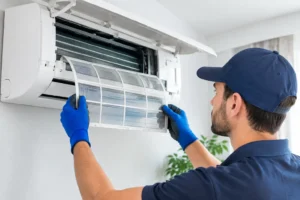
Air conditioning is not fit-and-forget equipment. Filters collect dust and should be cleaned regularly, particularly in homes with pets, smokers or high levels of pollen. Dirty filters restrict airflow, reduce efficiency and can affect indoor air quality.
Professional maintenance goes further. It checks operating pressures, electrical components, drainage, indoor and outdoor coils, fan performance and overall system condition. Regular servicing can identify a developing issue before it becomes a breakdown during a heatwave, when repair availability is often under pressure.
If you notice reduced cooling, unusual noise, persistent odours, water dripping from the indoor unit or an error code, arrange an inspection rather than continuing to run the system. Small faults are usually easier and more cost-conscious to resolve when dealt with promptly.
Start with a survey, not a guess
The most reliable route to comfortable cooling is a survey of the rooms that matter most to you. Discuss when they overheat, who uses them, whether heating is also required and how you want the finished installation to look. That conversation turns a broad request for air conditioning into a system that suits your property and budget.
For homeowners across Essex, Essex Air Conditioning provides straightforward surveys and no-obligation quotations, with recommendations based on practical performance rather than unnecessary extras. A properly planned system should feel simple once installed: quiet when it runs, economical to use and ready whenever your home needs a more comfortable temperature.