A new air conditioning system can look like a straightforward purchase until two installers recommend different unit sizes, different positions and very different prices. The equipment matters, but the quality of the survey, design and installation will determine how quietly, efficiently and reliably it works. If you are asking how to choose an aircon installer, focus on the contractor behind the quotation rather than simply selecting the lowest figure.
For homeowners, landlords and businesses in Essex, a properly planned installation should deliver year-round comfort, controlled running costs and dependable support after the work is complete. Here is what separates a professional installer from a quote that may cost more in the long run.
How to Choose an Aircon Installer: Start With the Survey
A credible installer should want to see the property before committing to a final recommendation. A free survey is not a sales formality. It is the stage where the contractor works out what the space actually needs.
For a home, this means considering the room dimensions, ceiling height, glazing, insulation, orientation, heat from cooking or appliances, and how the room is used. A sunny south-facing bedroom with large windows may need a different solution from a similarly sized lounge. In a commercial setting, occupancy levels, IT equipment, opening hours and ventilation requirements can have an even greater effect on capacity.
Be cautious if an installer recommends a particular model or gives a fixed price without asking meaningful questions. They may be able to offer an initial estimate from photographs and measurements, but a final proposal should be based on the property, not guesswork.
The survey should also cover practical details: where indoor and outdoor units can be positioned, the route for pipework and condensate drainage, access for installation, electrical supply, and how visible equipment will be. Good design balances performance with appearance. An outdoor unit placed in an unsuitable position may create avoidable noise, restrict airflow or make future servicing unnecessarily difficult.
Check Qualifications, Insurance and Relevant Experience
Air conditioning installation is specialist work. Refrigerant handling is regulated, electrical connections must be completed safely, and the system has to be commissioned correctly before it can perform as intended. Ask whether the company and its engineers hold the appropriate F-Gas certification for the work being carried out.
Public liability insurance is another basic safeguard. It protects both the customer and contractor should something go wrong on site. For larger commercial projects, it is sensible to ask about experience with similar premises, particularly where work needs to be completed around staff, customers, tenants or trading hours.
Experience should be relevant rather than vague. A contractor that regularly installs wall-mounted split systems in houses will understand the priorities of a homeowner, including tidy pipework, discreet unit locations and minimal disruption. A business with several rooms, open-plan areas or changing occupancy may need a multi-split or commercial solution designed around zoning and future expansion.
You do not need an installer to make every decision for you, but they should be able to explain their recommendation in clear language. Technical terms are sometimes necessary, yet a dependable contractor will tell you what they mean for comfort, noise levels, energy use and cost.
Compare Like-for-Like Quotations
The cheapest quote is not automatically poor value, just as the highest price is not automatically evidence of better work. The useful comparison is whether each quotation covers the same scope.
A detailed quote should identify the proposed equipment, its capacity, the number and location of units, and the main installation works. It should make clear whether pipework, trunking, electrical work, condensate drainage, wall brackets, commissioning and waste removal are included. If any part of the work is provisional, that should be stated plainly.
Ask about assumptions that could change the cost. For example, an unusually long pipe run, difficult access, extra electrical capacity or specialist access equipment may not be apparent until the survey. Transparent installers explain these possibilities before work begins rather than presenting unexpected charges at the end.
Also look at what is being supplied. Premium equipment can cost more initially but may offer lower running costs, quieter operation, stronger warranty cover and better availability of parts. The best choice depends on how often you will use the system and what matters most to you. A single bedroom installation has different priorities from a busy office that will run cooling and heating throughout the year.
Make Sure the System Is Properly Sized
Oversizing and undersizing are both problems. An undersized system may struggle on hot days, run for long periods and fail to reach the desired temperature. An oversized unit can cool or heat the room too quickly, cycle inefficiently and provide less consistent comfort.
A professional installer should calculate the required capacity using more than floor area. They should account for heat gain, occupancy and the building itself. This is especially important in conservatories, loft conversions, open-plan living spaces, kitchens and rooms with extensive glazing.
Do not assume air conditioning is only for summer. Most modern systems provide efficient heating as well as cooling. If you plan to use the unit throughout the year, tell the installer during the survey. That affects equipment selection, placement and the value you will get from the investment.
Noise, Drainage and Appearance Matter
The system may be technically capable, but poor placement can spoil the experience. Ask where the indoor unit will direct airflow and whether it will be audible from a bed, desk or seating area. Ask where condensate water will drain, particularly when the system is operating in heating mode.
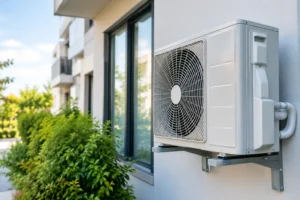
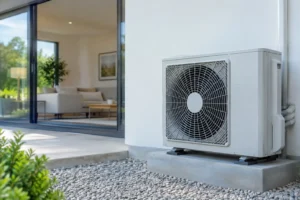
Outdoor-unit location deserves equal attention. The unit needs adequate airflow and should be accessible for maintenance. In closely built residential areas, sensible positioning helps limit noise for you and neighbouring properties. A good installer will discuss these details early, not treat them as an afterthought on installation day.
Ask What Happens After Installation
Commissioning is the point at which an air conditioning system is tested, checked and set up for safe operation. It is not optional finishing work. The installer should verify refrigerant pipework, drainage, electrical connections, controls and overall performance before handing the system over.
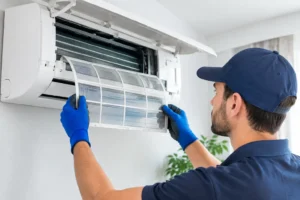
You should receive clear guidance on using the controls, changing or cleaning filters, and recognising when the system needs attention. Keep any paperwork supplied with the installation, including warranty information and service records. This is particularly valuable for landlords and commercial property managers who need a record of planned maintenance.
Ask the contractor about their repair response and maintenance options before committing. Air conditioning is reliable when it is looked after, but filters need cleaning, components need checking and minor issues are best dealt with before they become failures. A contractor that installs, repairs and maintains systems can provide continuity throughout the life of the equipment.
Manufacturer warranties are worthwhile, but read the conditions. Some require installation by an approved or suitably qualified contractor, while others may depend on regular servicing. Clarify what is covered by the manufacturer and what workmanship guarantee the installer provides directly.
Choose a Local Contractor You Can Reach
Local coverage has a practical value. If your system needs a repair, annual maintenance or advice after installation, you want a contractor who is accessible and familiar with properties in the area. For customers across Essex, that can mean faster surveys, clearer communication and a more realistic understanding of local access, building layouts and customer expectations.
Look for direct contact details, a straightforward survey process and a willingness to answer questions before you accept the quote. Reviews can be useful, but pay particular attention to comments about punctuality, tidiness, problem-solving and support after the job. These are often the qualities that determine whether an installation feels professional from start to finish.
Essex Air Conditioning approaches every project with this practical standard: assess the space properly, recommend suitable premium equipment and complete the work with care. The aim is not simply to fit an air conditioner. It is to provide a system that remains comfortable, efficient and easy to maintain.
A considered survey and a clear quotation give you the confidence to choose on value, not pressure. Take the time to ask how the system will be designed, installed and supported, and you will be far more likely to enjoy dependable comfort for years to come.