A stuffy office above a parade of shops, a bathroom that never quite dries out, a kitchen where heat and odours linger long after closing time – these are the jobs a Leigh-on-Sea ventilation contractor is called in to solve properly. Good ventilation is not a luxury add-on. It affects comfort, air quality, running costs and, in many buildings, how well the space actually functions day to day.
In Leigh-on-Sea, ventilation requirements can vary more than people expect. Period homes often need careful upgrades that improve airflow without creating draughts or upsetting the character of the property. Newer buildings may be better insulated, but that can trap moisture and stale air if the ventilation design is poor. Commercial premises have their own pressures, especially where customer comfort, staff welfare and compliance all matter.
What a Leigh on Sea ventilation contractor should actually help with
The right contractor should do more than fit a fan and leave. Ventilation needs to match the building, the way it is used, and the problems you are trying to fix. Sometimes that means extracting humid air from bathrooms and kitchens. Sometimes it means improving airflow across multiple rooms. In commercial settings, it can mean creating a more consistent and manageable indoor environment for staff and customers.
A reliable ventilation contractor will usually start with the basics. Where is the stale air building up? Is condensation the real issue, or is it a symptom of something wider? Are occupants opening windows regularly, and if not, why not? Has a previous system been undersized, badly positioned or poorly maintained? Getting these answers first prevents money being spent on the wrong solution.
For homeowners, the common triggers are condensation on windows, mould around colder corners, lingering smells and rooms that feel close or damp. For landlords, it is often tenant complaints, repeat maintenance issues and concern about moisture damage. For business owners and facilities managers, poor ventilation can affect comfort, productivity and the general impression a space gives to staff and customers.
Signs your property needs ventilation work
Some problems are obvious, while others build slowly. If mirrors steam up and stay wet for too long, if walls show recurring mould despite cleaning, or if certain rooms always feel heavy and stale, the airflow is likely not doing its job. In retail, hospitality or office spaces, complaints about stuffiness are often the first sign that the system is underperforming or no longer suited to current occupancy.
Heat can also be a clue. Ventilation and temperature control are closely linked, even though they are not the same thing. If warm air has nowhere to go, a room can feel uncomfortable far more quickly. This is one reason ventilation is often considered alongside air conditioning, especially in commercial premises where internal heat gains from equipment, lighting and footfall can be significant.
Noise is another factor people overlook. If an old extractor is so loud that no one wants to use it, it may as well not be there. A better-designed system can improve air movement without becoming a daily nuisance.
Choosing the right ventilation system depends on the building
There is no one-size-fits-all answer. A small flat with occasional condensation needs a different approach from a restaurant kitchen, clinic or open-plan office. That is why a proper survey matters.
In some homes, local extract ventilation is enough. A well-specified bathroom or kitchen extractor, installed in the right place and correctly ducted, can make a real difference. In other properties, especially where moisture and stale air affect several rooms, a more joined-up approach may be needed.
For commercial buildings, design becomes more demanding. Occupancy levels, room layout, operating hours and the nature of the business all affect what will work best. A stockroom, treatment room and customer-facing area may all have different ventilation needs under one roof. That is where contractor experience matters. The installation has to perform in real conditions, not just look acceptable on paper.
Why installation quality matters as much as the equipment
Even good equipment can disappoint if it is fitted badly. Poor duct routes, weak airflow, noisy operation and awkward controls can all reduce performance. In some cases, the system technically runs but never solves the original problem.
A dependable contractor will pay attention to the details that affect long-term results. That includes unit selection, placement, ducting, controls and access for maintenance. It also means being realistic. If a customer expects one low-cost extractor to deal with a wider airflow issue across the whole property, a good contractor should say so clearly.
This straightforward advice is often what saves customers money. It is better to choose the right system once than to replace an inadequate one later.
For homes: comfort, moisture control and quieter operation
Residential customers usually want a simple result – fresher air, less condensation and a more comfortable home. The best solution is often the one that works quietly in the background and does not complicate daily life. Controls should be clear. Performance should be noticeable. Running costs should be sensible.
Where budgets are tighter, there may be trade-offs. A basic extract upgrade can improve a problem room without the cost of a wider whole-house system. That can be the right call if the issue is localised. But if moisture and poor airflow are affecting the property more broadly, a smaller fix may only offer partial improvement.
For businesses: reliability and minimal disruption
Commercial customers tend to need a contractor who can assess the site properly, recommend a practical option and carry out the work with minimal disruption. Downtime matters. So does reliability.
Ventilation in business premises is not just about comfort. It can affect staff concentration, customer experience and the general usability of the space. In some environments, it also supports hygiene and compliance requirements. The best approach balances performance, operating cost and the day-to-day reality of how the premises are used.
What to expect from a professional Leigh on Sea ventilation contractor
A professional service should feel clear from the first contact. You should be able to explain the issue, arrange a survey if needed, and receive straightforward advice rather than vague promises. A no-obligation quote is useful, but the quality of the explanation matters just as much as the price.
Look for a contractor who asks sensible questions and takes the property seriously. If they are talking through airflow, room use, moisture sources and practical installation constraints, that is a good sign. If they jump straight to a generic product without understanding the building, that should raise concerns.
Local knowledge also helps. Properties across Leigh-on-Sea and the wider Essex area vary considerably, from family homes and converted flats to shops, offices and mixed-use buildings. A contractor familiar with these settings is more likely to recommend something appropriate, practical and cost-conscious.
Experience in related HVAC work can be another advantage. Ventilation does not always sit in isolation. In many properties, especially commercial ones, it needs to work sensibly alongside heating and air conditioning to create a comfortable indoor environment overall.
Maintenance is where long-term value shows
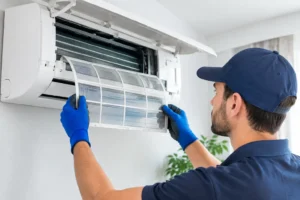
Ventilation systems are easy to forget once installed, which is exactly why maintenance gets missed. Over time, dirt build-up, worn components and blocked pathways can reduce airflow and increase noise. The system may still switch on, but that does not mean it is performing properly.
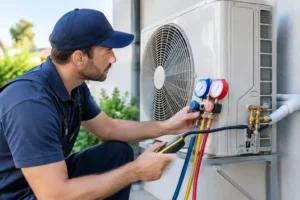
Routine maintenance helps protect the original investment. It keeps the equipment working efficiently, reduces the risk of avoidable faults and gives you a better chance of spotting wear before it turns into a more expensive issue. For landlords and commercial operators, that matters even more. Reliability is part of the service you are providing to tenants, staff or customers.
This is also why many customers prefer working with one contractor for installation, repairs and ongoing support. It keeps advice consistent and makes it easier to deal with future issues quickly.
A trusted local company such as Essex Air Conditioning will usually approach ventilation in the same practical way as any other HVAC service – start with the building, identify the problem clearly, and recommend a solution that is built to last.
The cheapest quote is not always the best value
Cost matters, and sensible customers should compare prices. But ventilation is one of those areas where the cheapest option can end up costing more if it underperforms, needs early replacement or never fixes the problem in the first place.
Better value usually comes from accurate assessment, suitable equipment and workmanship that does not cut corners. That does not always mean choosing the most expensive system either. It means choosing the one that fits the building and the brief.
If you are dealing with condensation, stale air or an uncomfortable working environment, the right contractor should make the next step feel straightforward. Good ventilation improves a building quietly, but you notice the difference every day.