A busy Saturday service can expose every weakness in a restaurant’s cooling. The dining area becomes stuffy, kitchen staff are working in excessive heat, and guests near the windows start asking to move tables. This restaurant cooling upgrade example shows how a considered system replacement can improve comfort without causing unnecessary disruption to trading.
The right answer is rarely just fitting a larger air conditioning unit. Restaurants produce heat in several ways at once: cooking equipment, refrigeration, lighting, full occupancy, sunlight through glazing and warm outside air entering through doors. A successful upgrade needs to deal with the whole environment, while keeping running costs, installation access and day-to-day operation in view.
A restaurant cooling upgrade example
Consider a 70-cover independent restaurant in Essex with an open kitchen, a bar area and a main dining room. Its existing wall-mounted air conditioning units were more than a decade old. They still operated, but they struggled during lunchtime and evening peaks, particularly through late spring and summer.
The owner’s first concern was customer comfort. Tables close to the kitchen pass-through and the front windows were noticeably warmer than the rest of the room. Staff also reported that the kitchen became uncomfortable during busy service, even with extraction running. The units were increasingly noisy, their controls were unreliable, and callouts were becoming more frequent.
Simply replacing the old units on a like-for-like basis would have been quick, but it would not necessarily have corrected the uneven temperatures. A professional survey was needed to establish why the existing arrangement was falling short.
What the survey identified
The survey considered the dimensions of each area, ceiling height, glazing, sun exposure, occupancy and the heat released by equipment. It also looked at where conditioned air could travel without blowing directly onto diners or interfering with kitchen extraction.
The main dining room had reasonable cooling coverage in the centre, but the units were poorly positioned for the heat coming through the glazed frontage. The bar created an additional heat load from refrigeration equipment and footfall. In the open kitchen, the extract canopy removed cooking fumes effectively, but make-up air arrangements were limited. This meant air was being pulled from the dining area towards the kitchen, making the restaurant feel less balanced.
This is a common issue. Kitchen extraction and comfort cooling must work alongside each other. Air conditioning is not a substitute for proper ventilation, and ventilation alone will not always provide a comfortable temperature for staff or guests. The best approach depends on the layout, cooking activity and existing plant.
Designing a system around the way the restaurant trades
For this example, the recommendation was a multi-split air conditioning system serving the dining room and bar, with separate high-wall or ceiling cassette units selected for their quiet operation and controlled air distribution. The kitchen itself required further assessment of ventilation and make-up air, rather than relying solely on comfort cooling.
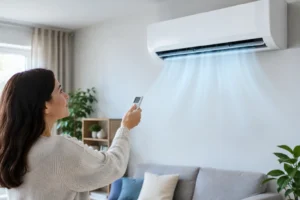
The dining room units were positioned to throw air across the room rather than directly down at tables. This matters in hospitality settings. A unit may achieve the required capacity on paper but still create complaints if a regular table sits in a cold draught. Adjustable louvres and sensible controller settings help, but good placement comes first.
The system was sized for peak conditions rather than an average weekday. That included a full restaurant, active kitchen equipment and strong solar gain through the front glazing. Oversizing also has drawbacks, however. An oversized system can cycle too frequently, waste energy and remove humidity too quickly. Correct sizing is about matching capacity to the building’s real heat load, not choosing the largest available unit.
Modern inverter-driven equipment was chosen because it can adjust output as conditions change. During a quiet midweek lunch, the system does not need to operate at the same level as a fully booked Saturday evening. This improves comfort and can reduce unnecessary energy use compared with older fixed-output equipment.
Planning installation without closing the restaurant
For many owners, disruption is as important as the equipment specification. Closing for a week can cost more than the installation itself, so the work needs to be organised around service hours wherever possible.
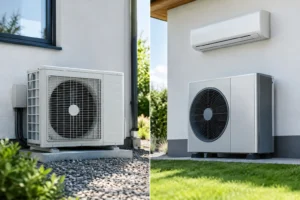
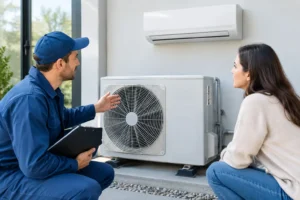
In this example, the installation was divided into stages. External condenser units were located where airflow, noise, access for future maintenance and local appearance could all be properly considered. Pipework routes were planned to keep visible alterations inside the dining area to a minimum. Protective trunking was matched as closely as practical to the interior finish.
The internal works were scheduled for quieter periods and before opening hours. Where ceiling access was required, dust control and protection for furniture, bar equipment and finishes were essential. Electrical connections and condensate drainage were confirmed before equipment was installed, avoiding last-minute changes that can delay the project.
A restaurant with very limited downtime may need a phased upgrade, keeping part of the existing system operating while new equipment is commissioned. This can be sensible, although it may increase installation complexity and cost. Where old equipment is unreliable or uses outdated refrigerant, a complete planned replacement is often the more dependable long-term choice.
Cost decisions that affect the result
The lowest installation price is not always the lowest operating cost. For a restaurant, the quality of the design, equipment selection and commissioning will influence energy bills, guest comfort and how often the system needs attention.
There are several areas where cutting costs can create problems later. Choosing insufficient capacity may leave the restaurant warm at peak times. Ignoring drainage routes can lead to leaks or unsightly remedial work. Installing outdoor units in a poor location can create noise concerns or make routine servicing difficult. Saving money on controls may also mean staff cannot easily manage temperatures across different zones.
That said, not every site needs the most complex system. A small café with modest cooking equipment may be well served by a carefully sized single-split or multi-split installation. A larger restaurant with a separate kitchen, bar, private dining room and substantial extraction system may benefit from a more detailed zoned design. A free site survey gives owners a clear basis for comparing options before committing.
Commissioning is where comfort becomes reliable
Once installed, the system should be tested properly, not simply switched on. Commissioning includes checking refrigerant operation, drainage, electrical connections, airflow direction and controller settings. The team should also demonstrate how staff can use the system without continually changing settings or running heating and cooling against each other.
For this restaurant cooling upgrade example, the final settings prioritised consistent dining-room temperatures, quiet operation and a practical setpoint that did not overwork the equipment. Keeping the room dramatically colder than outside may sound appealing on a hot day, but it can raise energy use and feel unpleasant for guests arriving from the street. A stable, comfortable temperature is the better objective.
Staff were advised to keep doors and windows managed during operation, clear the indoor unit air paths, and report unusual noise, water marks or a drop in performance early. These simple habits make a difference, especially in busy hospitality environments where problems can otherwise go unnoticed until a unit fails.
Protecting the investment after installation
Restaurant air conditioning works hard. Grease, airborne particles, long operating hours and high seasonal demand all place strain on equipment. Regular maintenance helps keep filters clean, drainage clear and components operating as intended. It also gives technicians an opportunity to identify wear before it becomes an inconvenient breakdown during service.
Maintenance frequency depends on the environment and usage. A lightly used dining-area unit may need a different schedule from equipment close to an open kitchen or bar. The important point is that servicing should be planned, rather than left until cooling performance has already dropped.
For restaurant owners across Essex, Essex Air Conditioning can assess the condition of existing equipment and provide straightforward advice on whether repair, improvement or replacement is the most cost-effective route. A well-planned upgrade should make service more comfortable for guests and staff alike, while giving you confidence that the system is ready for the next busy shift.