Choosing an air conditioning system from a brochure is rarely the hard part. The real difference between a system that performs properly and one that disappoints usually comes down to the aircon survey before installation. That survey is where an experienced installer works out what your property actually needs, what will fit, and what will give you reliable cooling without unnecessary cost.
For homeowners, landlords and business owners, this stage is not a formality. It is the point where practical issues get identified before they become expensive problems. Room size, insulation levels, ceiling height, solar gain, electrical supply, access routes and condensate drainage all affect the outcome. If those details are missed, even premium equipment can end up underperforming.
What an aircon survey before installation is really for
An aircon survey before installation is a site assessment carried out before any quotation is finalised or any equipment is ordered. Its purpose is simple – to match the right system to the space and the way the building is used.
That matters because air conditioning is not one-size-fits-all. A small bedroom, a busy office, a retail unit with large glazed frontage and a server room all place very different demands on a system. Two rooms can be the same size on paper and still need different solutions because of sun exposure, occupancy, equipment heat or insulation standards.
A proper survey also gives you clarity. You should come away with a realistic view of what type of system is suitable, where indoor and outdoor units could be positioned, how the installation would be carried out and what level of disruption to expect.
Why skipping the survey often leads to poor results
People sometimes assume a quick phone estimate is enough, especially if they want a fast price. In some straightforward cases, a rough budget figure can be helpful. But a final installation decision without a proper site survey is where mistakes start.
The most common issue is incorrect sizing. If a unit is too small, it struggles in warmer weather, runs for longer and may never bring the room to a comfortable temperature. If it is too large, it can cycle on and off too frequently, affecting efficiency and comfort. Either way, you pay for a system that is not working as it should.
There are also practical installation risks. Pipe runs may be longer than expected, drainage may need a condensate pump, or the preferred outdoor unit position may not be workable because of access, noise considerations or wall construction. These are not minor details. They directly affect cost, performance and how tidy the finished installation looks.
What is checked during an aircon survey before installation
A professional survey covers more than measurements. The engineer is building a complete picture of the property and the usage of each area.
Room size and heat load
This is the starting point, but it goes beyond square metre measurements. Heat load calculations take into account ceiling height, glazing, orientation, insulation, occupancy and any equipment generating heat. In a home office, for example, computers and monitors can noticeably affect the cooling requirement. In a commercial setting, lighting and footfall may have a bigger impact.
Unit positioning
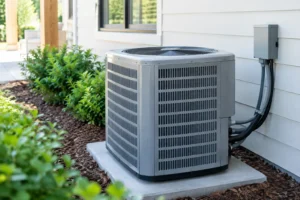
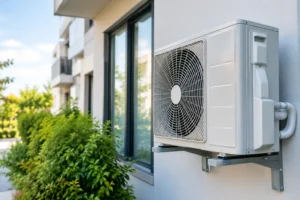
Indoor units need to be placed where they can distribute air effectively without causing draught discomfort. Outdoor units need safe, sensible positioning with adequate airflow and consideration for maintenance access. A survey identifies the options that work in real conditions, not just in theory.
Pipework and drainage routes
Refrigerant pipework, electrical connections and condensate drainage all need practical routes. The best system on paper can become awkward if the routing is poor. During the survey, the installer checks how services can be run neatly and efficiently, and whether any pumps, trunking or wall penetrations will be needed.
Electrical supply
Not every property has the same electrical capacity or the same most convenient point of connection. A survey helps confirm what the installation will require and whether any additional electrical work should be planned at the same time.
Building use and customer priorities
This part is often overlooked, but it is one of the most important. Some customers want the quietest possible bedroom system. Others care most about appearance, running costs or year-round heating as well as cooling. A good survey takes your priorities into account rather than pushing a standard option.
How the survey shapes the quotation
A no-obligation quote is only useful if it reflects the real job. The survey is what makes that possible. Once the site has been assessed properly, the quotation can be based on suitable equipment, realistic labour, correct materials and any additional requirements already identified.
That protects you from two common frustrations. The first is a quote that looks competitive at the start but grows once the work begins. The second is a price based on unsuitable equipment that leaves you compromising on comfort later. A detailed survey helps keep the quotation honest from the outset.
For customers comparing contractors, this is also where quality differences begin to show. A contractor who asks the right questions and inspects the site properly is usually far more reliable than one who gives a fast number without checking the fundamentals.
Domestic and commercial surveys are not the same
The principle is the same, but the level of complexity varies.
In a domestic property, the survey may focus on bedroom comfort, lounge coverage, home office use, visual impact and keeping noise to a minimum. The installer might also look closely at where pipework can be concealed and how the external unit can be positioned discreetly.
In commercial premises, there are often more variables. Opening hours, occupancy patterns, heat from equipment, zoning requirements and access restrictions can all affect the recommendation. A shop in Southend-on-Sea with strong afternoon sun through its front glazing needs a different approach from a back-office space in Chelmsford. The survey ensures the recommendation fits the demands of the site rather than applying a generic commercial package.
Questions worth asking during the survey
The survey is your opportunity to get clear answers before committing. Ask what system size is being recommended and why. Ask where the units will go and whether there are alternatives. Ask about noise levels, servicing access, expected running costs and whether the system will also provide efficient heating in cooler months.
It is also sensible to ask what the installation day is likely to involve. Knowing in advance whether floors need protection, furniture needs moving or power may be interrupted makes the process much easier.
A dependable contractor should answer these points clearly and without jargon. Confidence matters, but so does transparency.
Signs of a thorough survey
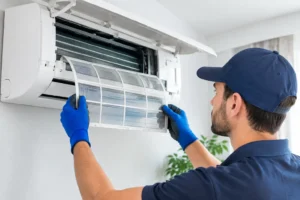
A proper aircon survey before installation should feel methodical, not rushed. The engineer should inspect the rooms, ask how the space is used, explain any limitations and talk through realistic options. If there are trade-offs, such as a shorter pipe run versus a less discreet external unit position, those should be explained plainly.
You should also expect the recommendation to be based on your property, not a standard package. That is especially important in older Essex homes, converted spaces and mixed-use commercial buildings, where layouts and construction details can vary more than expected.
Why local knowledge can help
Local experience does not replace technical skill, but it does add value. Contractors who regularly work across Essex are more familiar with the mix of property types in the area, from modern developments to older housing stock and busy high street premises. That can help with planning practical installations, managing access and recommending systems that suit the building rather than forcing a poor fit.
Essex Air Conditioning takes this survey stage seriously because it is the foundation of a successful installation. When the assessment is right, the system choice is better, the quote is clearer and the finished result is far more likely to meet expectations.
The survey is where value starts
Many customers focus first on the unit brand or the final price. Both matter, of course, but neither tells the full story on its own. A well-installed, correctly specified system will usually deliver better comfort, efficiency and reliability than a badly planned installation built around the wrong equipment.
That is why the survey deserves more attention than it often gets. It is the stage that protects your budget, your comfort and your long-term satisfaction with the system. If a contractor is willing to assess the property properly before installation, that is usually a very good sign. It shows they are interested in getting the job right, not just getting the job booked.
If you are considering a new system, treat the survey as part of the installation, not an optional extra. The better the survey, the better the result.