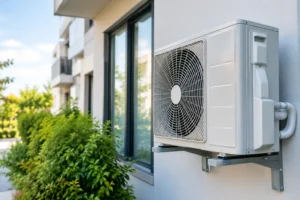
When customers ask about split system vs ducted aircon, they are usually trying to solve one practical problem – how to cool or heat a property properly without overspending or regretting the choice later. The right answer depends on how you use the building, how many rooms need climate control, and what level of finish you expect from the installation.
For some homes and businesses, a wall-mounted split system is the clear winner because it is cost-effective, quick to install and ideal for targeted comfort. For others, ducted air conditioning delivers the cleaner look, wider coverage and central control that makes more sense over the long term. There is no one-size-fits-all answer, which is why a proper survey matters.
Split system vs ducted aircon: the core difference
A split system air conditioner consists of an indoor unit connected to an outdoor condenser. In most cases, each indoor unit serves a single room or area. If you want coverage in more than one space, you either install multiple single splits or use a multi-split arrangement.
A ducted system works differently. It uses a central indoor unit, usually hidden in a loft or ceiling void, and distributes conditioned air through ducts into multiple rooms. Vents are visible, but the main equipment stays out of sight.
That difference affects almost everything else – upfront cost, appearance, installation complexity, zoning, maintenance access and how the system feels day to day.
When a split system makes more sense
A split system is often the best choice when you want to control the temperature in one room, one office, or a small number of regularly used areas. Bedrooms, loft conversions, garden offices, small retail units and individual meeting rooms are all common examples.
The biggest advantage is value. Split systems are usually more affordable to install than ducted air conditioning, especially if you only need one or two rooms covered. Installation is typically less disruptive as well. In many properties, the work can be completed without major alterations to ceilings or bulkheads.
They are also efficient when used selectively. If you only spend most of your time in the lounge during the evening or in one office during the day, it makes sense to cool or heat that space only. You are not paying to condition rooms that sit empty.
There is a trade-off, though. Wall-mounted units are visible. Some customers do not mind that at all, but others want a more discreet finish. If you need air conditioning in four, five or six rooms, multiple indoor units can also start to affect the look of the property and the total installation cost.
When ducted aircon is the better investment
Ducted air conditioning is usually the stronger option when whole-property comfort is the goal. If you are renovating, building, or upgrading a larger home or commercial space, ducted systems offer a level of consistency and neatness that split units cannot match.
The visual appeal is a major reason people choose ducted aircon. Instead of wall units in each room, you have subtle ceiling grilles and a central system hidden from view. For higher-end homes, open-plan layouts and customer-facing commercial premises, that cleaner finish can be a deciding factor.
It also suits properties where multiple rooms need regular temperature control. Rather than piecing together several separate systems, ducted air conditioning gives you a more integrated setup. Depending on the design, you may also be able to create zones, so different parts of the property can be controlled independently.
The main downside is the initial outlay. Ducted systems generally cost more to install and usually require more planning. Access to loft space, ceiling voids or other service routes makes a big difference. In some existing buildings, installation is straightforward. In others, the structure can make the job more involved.
Cost is not just about the quote
Most people start with upfront price, and that is reasonable. A split system will usually come in lower than ducted air conditioning at the installation stage. If budget is tight and you need immediate comfort in a key room, that can be the smartest route.
But the cheapest quote does not always equal the best value. If you know you will eventually want air conditioning in most rooms, installing separate split systems over time may close the cost gap more than expected. On the other hand, paying for a full ducted setup in a property where only two rooms are ever used heavily may not be money well spent.
Running costs also depend on usage. A split system can be very economical when it is only serving the spaces you actually use. A well-designed ducted system with zoning can also operate efficiently, but poor design or unnecessary full-property use will increase energy consumption.
This is where honest advice matters. The right system is the one that matches the building and the way you live or work in it.
Installation and disruption
If speed and minimal disruption are priorities, split systems often have the edge. They need less hidden infrastructure and are commonly easier to retrofit into existing homes, shops and offices.
Ducted aircon needs more space to work properly. Duct runs, vent locations, return air paths and unit positioning all need careful planning. In a new build or major refurbishment, this is much easier to accommodate. In an occupied property, it can still be done, but expectations need to be realistic.
That does not mean ducted is impractical. It simply means the survey stage is more important. A professional installer should assess access, ceiling depth, insulation, room sizes and layout before recommending anything.
Comfort and control across the property
Comfort is about more than reaching a set temperature. It is also about how evenly the system performs and how easy it is to control.
Split systems are excellent for direct, responsive conditioning in individual spaces. If one room overheats in summer or feels cold in winter, a split unit can deal with that quickly. They are particularly useful where usage patterns are predictable, such as a bedroom at night or an office during working hours.
Ducted systems are better suited to a broader comfort strategy. They can maintain a more uniform feel across multiple rooms and create a tidier, centralised control setup. In larger homes and workplaces, that can make day-to-day use simpler.
Still, there is an important caveat. A ducted system without proper zoning may end up conditioning more areas than necessary. A split system gives natural room-by-room control because each unit is independent. So if flexibility is your main priority, that may matter more than appearance.
Which works better for homes and which for businesses?
For homes, the answer depends heavily on layout and lifestyle. A small or medium-sized house with one main living area and a couple of problem rooms may be best served by split systems. A larger property, especially one undergoing renovation, may benefit more from ducted air conditioning.
For businesses, the decision often comes down to presentation, occupancy and operating hours. A single office, salon treatment room or small shop may only need a split system. A larger office, hospitality venue or premises where customer appearance matters may be better suited to ducted aircon.
Property owners and landlords also need to think about maintenance and future tenants. Simpler systems can be easier to manage in some buildings, while centralised solutions can be more attractive in premium spaces.
Split system vs ducted aircon in older properties
Older buildings across Essex often present a more complicated picture. Ceiling voids may be limited, layouts may have changed over time, and insulation levels can vary from room to room. In these cases, the best option is not always the one the customer first had in mind.
A ducted system may still be possible, but only if the structure allows for it without excessive alteration. If not, a well-planned split or multi-split installation can provide excellent comfort with far less disruption. This is why site-specific advice is so important, particularly in period homes or mixed-use buildings.
So which should you choose?
Choose a split system if you want a cost-effective solution for one room or a few specific areas, if you want quicker installation, or if you prefer to control rooms independently. Choose ducted aircon if you want a discreet finish, whole-property coverage and a more integrated solution, particularly in a larger or refurbished building.
If you are still weighing up split system vs ducted aircon, the most sensible next step is a professional survey rather than guessing from online averages. A good installer will look at the property properly, ask how the space is used, and recommend the system that gives you reliable comfort without unnecessary cost. That is always a better result than buying too much system or not enough.