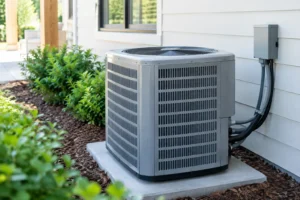
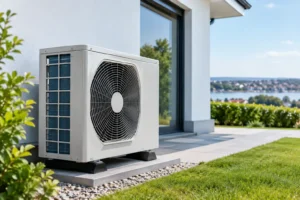
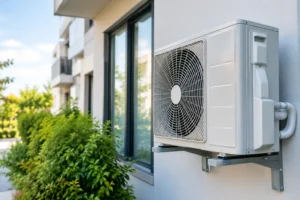
A wall mounted air conditioner review is only useful if it answers the question most buyers actually have – will this system cool the room properly, run quietly and stay reliable without becoming expensive to own? That matters far more than a long feature list. For most homes and small commercial spaces, a wall mounted unit is the most practical way to add effective cooling and dependable heating without major disruption.
Wall mounted air conditioner review – what really matters
Wall mounted air conditioners remain the most popular fixed system for a reason. They suit bedrooms, lounges, home offices, shops, salons and smaller workplaces because they are compact, efficient and relatively straightforward to install compared with larger ducted systems. The indoor unit sits high on the wall, the outdoor condenser is positioned externally, and the system delivers controlled cooling with far better performance than portable alternatives.
The main strength is consistency. A good wall mounted unit will bring a room down to temperature quickly, then hold it there without constantly surging on and off. That gives better comfort and lower running costs. Modern inverter technology is a big part of that. Rather than operating like a basic on-off machine, inverter systems adjust output to match the load, which usually means quieter operation and less wasted energy.
That said, not every property gets the same result. A unit that performs well in a shaded bedroom may struggle in a south-facing office with large glass areas, computers and regular footfall. This is where many online reviews fall short. They often judge the product in isolation, when system sizing and installation quality have just as much influence on the outcome.
Performance is about sizing, not just brand
If you read any serious wall mounted air conditioner review, you will quickly notice that the happiest customers usually have one thing in common – the system is correctly matched to the room. Too small and it works too hard, takes too long to cool, and may never feel quite comfortable on hotter days. Too large and it can short cycle, which affects efficiency and temperature stability.
A proper assessment should consider room size, ceiling height, insulation levels, glazing, orientation, occupancy and heat-generating equipment. In a domestic setting, that may be fairly simple. In a shop, server room or office, the heat load can be more demanding and far less forgiving.
This is why the cheapest quoted unit is not always the best value. A correctly sized premium system often costs less to run, lasts longer and creates fewer callouts than a budget unit chosen on rough guesswork.
Cooling and heating performance
Most wall mounted systems sold in the UK are reverse cycle heat pumps, so they cool in summer and provide efficient heating in cooler months. For many property owners, that dual function is a major advantage. A bedroom that is uncomfortable in July can also benefit from fast, controllable warmth in winter.
In real use, good systems cool quickly and maintain an even temperature without producing a cold draught across the room. Better models also have wider airflow control, allowing the installer or user to direct air more effectively. Heating performance is typically strong as well, though output can vary with outdoor temperatures and property heat loss.
Noise levels matter more than most buyers expect
Noise is often underestimated at purchase stage and overestimated once the unit is in use. The truth sits in the middle. Most quality wall mounted systems are quiet enough for everyday living and working, especially at lower fan speeds. In a bedroom or meeting room, however, quiet operation becomes a priority rather than a bonus.
Indoor noise depends on fan speed, compressor demand and installation quality. Outdoor noise depends on unit placement, mounting method and surrounding surfaces. A poorly located condenser can create avoidable disturbance even if the system itself is decent.
For bedrooms, look beyond headline decibel figures and think about how the unit will operate overnight. If the room heats up quickly, the fan may work harder for longer. In offices and customer-facing premises, steady low noise is usually more important than absolute peak output.
Running costs and efficiency
One of the strongest points in a modern wall mounted air conditioner review should be running cost. Buyers rightly want to know whether comfort comes with a high electricity bill. In most cases, fixed wall mounted systems are significantly more efficient than portable air conditioners, and many are economical to run when sized and used properly.
Efficiency ratings do matter, but so does the way the system is used. Setting the thermostat sensibly, keeping doors and windows closed, cleaning filters and maintaining the equipment all affect consumption. A neglected system can lose efficiency over time and place more strain on components.
For homes and businesses in Essex, where summer heat can build quickly in loft conversions, glazed offices and upper-floor rooms, the ability to cool efficiently without relying on temporary equipment is often the difference between manageable costs and wasted energy.
Features worth paying for
Not every feature adds meaningful value. Wi-Fi control is useful if you want to manage temperatures before arriving home or opening a business premises. Timer functions are practical. Good filtration can help general air quality, although it should not be confused with specialist medical-grade air treatment.
Auto modes and sleep modes can also be worthwhile, especially where the system is used regularly rather than occasionally. By contrast, some premium add-ons make less difference to day-to-day comfort than buyers expect. Build quality, efficiency, service support and installation standards usually matter more than novelty features.
Installation quality can make or break the result
This is the point many generic product reviews miss. Even an excellent unit can disappoint if it is installed badly. Pipe runs, drainage, electrical work, condensate routing and unit positioning all affect reliability, appearance and performance. A neat installation is not only about looks. It often reflects the care taken with the whole job.
Poor drainage can cause leaks. Weak mounting can increase vibration. Bad pipework practices can reduce system efficiency or shorten equipment life. Wrong positioning can lead to uneven airflow and awkward maintenance access.
For homeowners, that means choosing a contractor with real installation experience rather than simply comparing box prices. For landlords and commercial clients, it means looking at long-term dependability, not just initial cost. A proper survey is the right starting point because it identifies the best location, correct output and any site-specific issues before work begins.
How wall mounted systems compare with other options
Against portable units, wall mounted air conditioners are in a different class. They are quieter in the room, more effective, more efficient and far better suited to regular use. Portables may help as a short-term measure, but they are rarely the best long-term answer for comfort or energy use.
Compared with ducted systems, wall mounted units are more accessible on price and involve less disruption. They are ideal where you want targeted climate control in one room or a small number of areas. Ducted air conditioning can deliver a cleaner hidden finish across larger properties, but it usually involves higher cost and more installation complexity.
Ceiling cassette systems also have their place, especially in commercial settings with suspended ceilings. Even so, wall mounted units remain a strong all-round choice where practicality, value and straightforward servicing are priorities.
Who should buy one and who may need something else
A wall mounted system is a strong fit for most domestic rooms, garden offices, retail units, treatment rooms and smaller office spaces. It works especially well where you need reliable temperature control in one clearly defined area.
It may be less suitable where aesthetics are the overriding concern, where very large open-plan spaces need even coverage, or where building layout points towards a multi-room or concealed solution. In those cases, a multi-split, cassette or ducted design may be the better investment.
That is why a review should never stop at “best unit”. The right answer depends on the property, usage pattern and budget. What works brilliantly in a two-bedroom house may not be the right system for a busy salon or office suite.
Final verdict in this wall mounted air conditioner review
For most buyers, a wall mounted air conditioner is the best balance of performance, efficiency and value available in fixed cooling and heating. When correctly sized and professionally installed, it delivers fast temperature control, sensible running costs and dependable year-round comfort. That is why it remains the first option recommended for so many homes and small commercial spaces.
If you are comparing systems, focus less on marketing claims and more on practical outcomes. Ask whether the unit is suitable for your room, whether noise levels are realistic, whether aftercare is available and whether the installation plan is sound. A good system should not just look right on paper – it should work properly on the hottest day, the coldest morning and every ordinary day in between.
If you are still unsure, the most useful next step is not another spec sheet. It is a proper survey from an experienced local contractor who can assess the space, explain the options clearly and recommend a system that fits how you actually use the property.