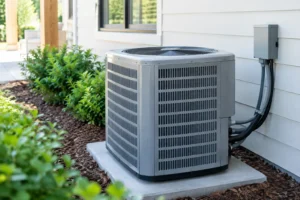
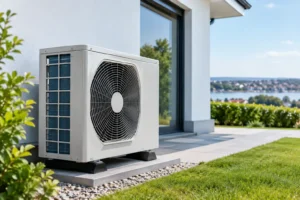
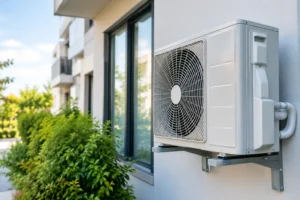
If you are pricing a new system for your home, office, shop or rental property, the first question is usually straightforward: what is the average cost of air conditioning installation? The honest answer is that most UK installations fall within a fairly wide range, because the right system depends on the size of the space, the number of rooms, the building layout and the standard of equipment you choose.
For a typical single-room split air conditioning system in the UK, installation often starts at around £1,500 and can rise to £3,000 or more. Multi-room systems usually cost more, often from £3,000 to £7,000+, while larger commercial installations can go well beyond that. Those figures are useful as a starting point, but they are only a guide. A proper quotation is based on the property itself, not a generic online price.
What is the average cost of air conditioning installation in the UK?
For most domestic customers, the average cost sits somewhere in the middle of the ranges above. A small bedroom or home office with a straightforward wall-mounted unit may be at the lower end. A larger lounge, open-plan kitchen-diner or loft conversion may need a more powerful unit, longer pipe runs or extra electrical work, which increases the price.
In practical terms, many homeowners find that a standard installation for one room lands around £1,800 to £2,500. If you want to cool two or three rooms from one outdoor condenser, the cost rises because the system is more complex and the labour takes longer. Commercial properties vary even more. A salon, café, server room or small office may need different equipment altogether, especially where ventilation, occupancy levels or trading hours affect performance.
That is why the average figure can only tell you so much. It helps with budgeting, but it does not replace a site survey.
What affects the cost most?
The biggest factor is the type of system being installed. A basic single split system, with one indoor unit connected to one outdoor unit, is usually the most cost-effective option. It suits one room and tends to be the simplest to fit. A multi-split system, where several indoor units connect to one outdoor unit, costs more because the equipment is more expensive and the installation is more involved.
System size matters just as much. Air conditioning is not a one-size-fits-all service. If a unit is undersized, it will struggle to cool the room properly and may run inefficiently. If it is oversized, you can end up paying more than necessary upfront. A good installer will calculate the cooling requirement based on the room dimensions, insulation, glazing, heat gain and how the space is used.
The property layout also has a direct impact on the quotation. A ground-floor room with an outside wall close to the condenser location is usually more straightforward than an internal office, a top-floor flat or a listed-style property where pipe routes must be carefully planned. Longer pipe runs, difficult access, trunking, condensate pumps and specialist brackets can all add to the cost.
Electrical work is another common variable. Some installations can connect easily to the existing supply, while others need a dedicated circuit, isolator or consumer unit work. This is one of those areas where cheaper quotes can be misleading. If electrical requirements have not been properly considered, the final price may change later.
Brand and unit specification also influence the total. Premium manufacturers generally cost more than budget models, but they often offer quieter operation, stronger energy performance, better controls and longer-term reliability. For many customers, especially in bedrooms, meeting rooms or customer-facing business premises, that extra upfront investment makes sense.
The difference between domestic and commercial installation costs
Homeowners are usually focused on comfort, running costs and how discreet the system looks in the room. Commercial customers often have extra priorities such as occupancy, opening hours, equipment heat loads and compliance requirements. That changes both the design and the cost.
A small domestic split system may only need one indoor unit and a simple external position for the condenser. In a business setting, the installation may need larger-capacity equipment, more zoning, more complex controls or out-of-hours work to avoid disrupting staff and customers. Even when two jobs appear similar on paper, the commercial one can involve more planning and coordination.
For landlords and property managers, there is a balance to strike. A low upfront price may be attractive, but reliability matters. If a poorly specified system leads to repeated call-outs, unhappy tenants or avoidable replacement costs, it stops being good value very quickly.
What should be included in an installation quote?
A professional quote should be clear about what you are paying for. At minimum, you would expect the cost of the equipment, installation labour, brackets or mounting, standard pipework, electrical connection within the agreed scope, condensate drainage, commissioning and handover. It should also confirm whether VAT is included.
You should also check what is not included. For example, builders’ work, specialist access equipment, extended pipe runs, decorative boxing-in or major electrical upgrades may sit outside the standard allowance. The more transparent the quote, the easier it is to compare options properly.
This matters because the cheapest figure is not always the most competitive. One contractor may price very low at the start, then add extras once the work begins. Another may provide a fuller quote from day one. From a customer point of view, clarity is often worth more than a headline number.
Why quotes can vary so much
Customers are often surprised by how different two quotations can look for what seems like the same job. Usually, that gap comes down to specification, workmanship and aftercare rather than profit alone.
One installer may quote for entry-level equipment with limited features, while another prices a premium brand with stronger performance and quieter indoor operation. One may allow for a neat, well-routed finish and proper commissioning, while another assumes the most basic route possible. Those details affect both appearance and long-term performance.
Experience also matters. An established contractor will usually spend more time getting the design right, checking the electrical supply, assessing pipe routes and making sure the chosen system is actually suitable for the space. That can produce a higher quote, but it often avoids expensive compromises later.
Is air conditioning worth the installation cost?
For many properties, yes – provided the system is correctly selected and professionally installed. Air conditioning is no longer just about cooling a room during a hot spell. Modern systems can also provide efficient heating, which makes them useful across much of the year.
That can be particularly appealing in garden rooms, loft conversions, home offices, small retail units and treatment rooms where comfort affects how the space is used. In bedrooms, the value is often simple: better sleep in warm weather. In workplaces, comfort can support concentration and create a better environment for staff and customers alike.
The running costs depend on the system, how often you use it and the energy tariff, but modern inverter units are far more efficient than many people expect. The key is to choose quality equipment and have it maintained properly.
How to keep costs sensible without cutting corners
The best way to control cost is not to choose the cheapest unit available. It is to choose the right system for the job. Overspending on unnecessary capacity is wasteful, but under-specifying a system usually creates disappointment and extra cost down the line.
A site survey is where real value begins. A good contractor will assess the room size, insulation, usage pattern and access requirements before recommending options. That gives you a realistic picture of what is needed and where you can sensibly adjust the specification.
If budget is a concern, it may help to prioritise the rooms that matter most now and leave future expansion open where practical. It is also worth asking about the difference in price between equipment ranges, because sometimes a modest increase upfront buys a noticeable improvement in efficiency, sound levels or warranty cover.
For customers in Essex, this is where a local, experienced installer adds real value. Essex Air Conditioning, for example, offers free surveys and no-obligation quotes, which makes it easier to understand the true cost before making a decision.
What is the average cost of air conditioning installation if you want a reliable answer?
The most reliable answer is this: expect around £1,500 to £3,000 for a straightforward single-room domestic system, £3,000 to £7,000+ for multi-room installations, and more for larger or more complex commercial projects. Beyond that, the final price depends on the property, the system design and the standard of installation.
That may sound less precise than you hoped, but it is actually the honest answer. Air conditioning is a fitted system, not an off-the-shelf appliance. The right quote should reflect the building, the usage and the result you want from it.
If you are budgeting for a new installation, focus on value rather than just the lowest number. A well-installed system should deliver comfort, efficiency and dependable performance for years. The right place to start is not with guesswork, but with a proper survey and a clear conversation about what your space really needs.