A hot upstairs bedroom in July, a stuffy office by mid-afternoon, or a retail space that never quite feels comfortable – these are usually the moments when people start looking seriously at Southend air conditioning installation. The right system does more than cool a room. It gives you control over temperature, improves day-to-day comfort and, when specified properly, can work efficiently all year round.
In Southend, that matters more than many people expect. Homes are dealing with warmer summers, loft conversions and sun-facing rooms that trap heat. Businesses are trying to create a better environment for staff and customers without wasting energy. Air conditioning is no longer a luxury add-on for a few properties. It is increasingly a practical improvement.
Why more properties are choosing air conditioning
The biggest change has been expectation. People want consistent indoor comfort rather than simply opening a window and hoping for a breeze. In many homes, especially newer builds and well-insulated extensions, heat can linger indoors long after the outside temperature has dropped. Bedrooms become uncomfortable at night, and home offices can be difficult to use properly during warmer periods.
For commercial premises, the pressure is slightly different. Staff productivity, customer comfort and protection of equipment can all be affected by high indoor temperatures. A salon, shop, office or clinic in Southend often needs a stable indoor environment, not just for a few weeks a year but across changing seasons.
Modern systems also offer heating, which is where many property owners start to see the wider value. A well-chosen unit can cool in summer and provide efficient heat in colder months. That makes installation easier to justify when you are looking at year-round use rather than a short seasonal benefit.
What Southend air conditioning installation should include
A proper installation starts well before any equipment is fitted. The survey stage is where the quality of the project is often decided. Room size matters, but it is only one part of the picture. A good installer will also assess ceiling height, glazing, insulation levels, how the room is used, sun exposure and where the system can be positioned for the best airflow.
This matters because bigger is not always better. An oversized system can cool a room too quickly without managing comfort properly, while an undersized one may run too hard and struggle to reach the desired temperature. The aim is correct sizing and sensible placement, not simply choosing the most powerful unit available.
Installation should also take appearance and practicality into account. In a home, clients usually want a unit that is discreet, quiet and easy to operate. In a business setting, access for servicing, coverage across occupied areas and the demands of daily use may take priority. The best outcome balances performance, visual impact and running cost.
Choosing the right system for your property
There is no single answer that suits every building. For a single bedroom, garden room or home office, a wall-mounted split system is often the most straightforward option. It provides reliable cooling and heating without unnecessary complexity.
For larger homes or commercial spaces with multiple rooms, a multi-split or more advanced setup may be more appropriate. That allows several indoor units to connect to one outdoor unit, which can be useful where external space is limited or where you want a cleaner overall installation.
Some customers are focused on upfront cost, while others care more about appearance, sound levels or long-term efficiency. All of those priorities are valid. The right recommendation depends on how the space is used and what you need the system to deliver day after day.
If you are comparing options, ask practical questions rather than only looking at the unit price. How quiet is it at night? Will it heat the room effectively in winter? How simple is it to maintain? Does the brand have a strong reputation for reliability? These details often matter more over time than a small saving at the start.
What affects installation cost
Cost is always part of the decision, and rightly so. But air conditioning installation is not a one-price service because properties vary so much. A straightforward single-room installation will usually cost less than a multi-room system with longer pipe runs, more electrical work or difficult access.
The brand and specification of the equipment also make a difference. Premium systems generally offer better efficiency, lower noise levels and stronger long-term reliability, but they come at a higher initial cost. For many customers, that extra investment is worthwhile. For others, a more budget-conscious option may be the right fit if it still meets the demands of the space.
Installation quality should never be treated as an area to cut too heavily. A cheaper quote can look attractive, but if the system is poorly sized, badly positioned or not commissioned correctly, you may pay for it later in performance issues, higher running costs or avoidable repairs. Value is not just about the figure on the quotation. It is about whether the system performs properly over the years ahead.
Planning for homes in Southend
Residential installations tend to be driven by comfort, sleep quality and the need to make specific rooms more usable. Bedrooms are a common request, especially in top-floor spaces that retain heat. Home offices are another, particularly where equipment and direct sunlight make the room difficult to work in during summer.
The practical side matters here. Indoor units should be placed to distribute air effectively without blowing directly onto the bed or desk. Outdoor units need sensible positioning as well, with consideration for access, noise and the layout of the property. A tidy installation is part of the service, not an optional extra.
Homeowners also often want reassurance that the system will be simple to use. That means clear controls, sensible settings and advice on getting the best from the unit. A good installer should leave you with a system that feels easy to live with, not overcomplicated.
Planning for shops, offices and commercial sites
Commercial air conditioning has a broader brief. It is not only about comfort but also about keeping the space operational, presentable and consistent. In offices, that may mean creating a better environment for staff concentration. In customer-facing premises, it can influence how long people stay and how comfortable they feel while on site.
Different sites need different approaches. A small office may only require a neat split installation in one or two key areas. A larger premises may need a more structured design that considers occupancy, opening hours, equipment loads and zoning. The more demanding the environment, the more important the survey and specification become.
Business owners and facilities teams also need realistic scheduling. Installation should be planned to minimise disruption where possible, especially in trading premises. Clear communication matters just as much as technical workmanship.
Why maintenance should be part of the decision
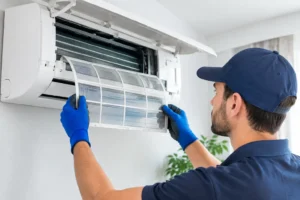
It is easy to focus on installation day and forget what comes after. In reality, any air conditioning system needs ongoing care if you want it to stay efficient and reliable. Filters need cleaning, components need checking and early signs of wear need to be picked up before they turn into expensive faults.
That is one reason it pays to choose an experienced local contractor rather than treating installation as a one-off transaction. If the same team can install, maintain and repair the system, you get continuity and clearer accountability. For property owners in Southend and across Essex, that local backup is a practical benefit, not just a nice extra.
Essex Air Conditioning works with both residential and commercial clients on this basis, providing installation backed by ongoing service support where needed. That approach gives customers confidence that the system is being looked after properly beyond the initial fitting.
How to choose the right installer
The best installer is not necessarily the one with the cheapest figure or the fastest promise. You are looking for clear advice, proper surveying, quality equipment and experienced engineers who understand how different properties behave. A reputable contractor should be willing to explain why a particular system is being recommended and what trade-offs come with different options.
Local experience helps as well. An installer who regularly works in Southend will have a stronger feel for the property types in the area, from flats and family homes to shops, offices and mixed-use premises. That does not replace technical skill, but it often improves the quality of the recommendation.
Look for a straightforward process. A free survey, a no-obligation quote and honest guidance are usually signs that the company is focused on matching the system to the property rather than pushing a standard package. That makes a real difference to the final result.
A well-installed air conditioning system should make life easier from the first day you use it. If you are planning a home upgrade or improving a commercial space in Southend, the right advice at the start will save time, money and frustration later.