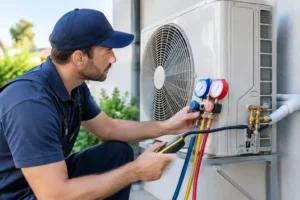
One summer complaint about an overheating flat can quickly turn into a bigger problem – unhappy tenants, strained communication and a property that feels harder to let. A good landlord guide to air conditioning starts with that reality. Air conditioning is no longer a luxury in every rental. In many properties, especially modern flats, loft conversions, south-facing rooms and home-working spaces, it is becoming a practical part of keeping tenants comfortable and protecting the appeal of the property.
For landlords, the question is rarely just whether air conditioning is desirable. It is whether the investment makes sense for the type of property, the likely tenant profile and the long-term running costs. The right decision depends on balancing comfort, reliability and value without creating avoidable maintenance issues.
Why air conditioning matters in rental property
Tenant expectations have changed. People are spending more time at home, and many now see temperature control as part of a liveable property rather than an added extra. In higher-spec rentals, air conditioning can help a property stand out. In more practical terms, it can also reduce complaints linked to hot bedrooms, stuffy top floors and rooms that become difficult to use in warmer months.
There is also a property protection angle. Excess heat and poor airflow can contribute to stale conditions and discomfort, particularly in sealed or heavily insulated homes. While air conditioning is not a substitute for proper ventilation, a well-designed system can improve indoor comfort significantly and support a more usable living environment.
That said, not every property needs it. A small house with good shading and natural airflow may not justify the same level of investment as a compact flat that traps heat for days at a time. Good advice starts with the property, not a one-size-fits-all recommendation.
A landlord guide to air conditioning options
Most landlords are choosing between portable units, single-split systems and multi-split systems. Portable air conditioners may seem attractive because they have a lower upfront cost and do not require permanent installation. The trade-off is that they are noisier, less efficient and generally less suitable for long-term rental use. They can also create disputes around responsibility if tenants buy and use their own units badly.
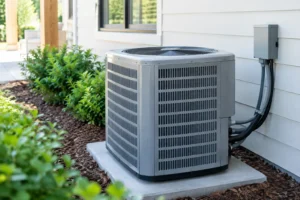
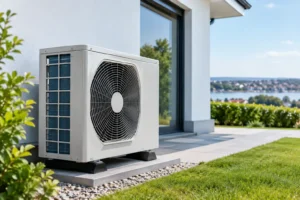
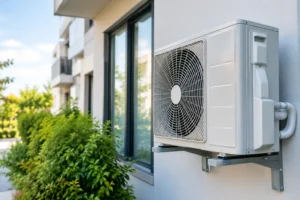
A fixed split system is usually the better long-term solution where genuine cooling is needed. This includes an indoor unit and an outdoor condenser, offering stronger performance, quieter operation and better efficiency. For a one-bedroom flat or a property where only the main bedroom or lounge needs cooling, a single-split system can be enough.
A multi-split system is worth considering for larger homes or higher-value rentals where several rooms need coverage. It connects multiple indoor units to one outdoor unit, which can help with appearance and space. However, it costs more upfront and needs careful design to avoid underperformance.
For landlords, installation should never be judged on equipment price alone. Placement, capacity, noise levels, condensate drainage and ease of future maintenance all matter. A cheaper system fitted badly can become more expensive than a premium system installed properly from the start.
What landlords should think about before installation
Before approving any system, think about the tenancy model. A long-term family let has different demands from an HMO or a premium executive rental. In some properties, air conditioning adds clear letting value. In others, it may be better viewed as a tenant retention tool rather than a rent-raising feature.
You also need to think about who controls the system. Simple wall-mounted units with straightforward remotes are usually best. Complicated controls often lead to misuse, unnecessary callouts and higher electricity bills. If the landlord covers energy costs, efficiency becomes even more important.
Noise is another issue that deserves more attention than it often gets. A unit that performs well technically can still generate complaints if the indoor unit is poorly positioned over a bed or if the outdoor condenser disturbs neighbouring properties. This is especially relevant in dense residential areas and converted buildings.
Planning and permissions may also need checking depending on the property type. Leasehold flats, listed buildings and conservation area properties can introduce additional considerations. A professional site survey helps identify these issues early rather than after money has been committed.
Installation quality affects everything that comes after
The biggest mistake landlords make is treating air conditioning as a simple add-on. In reality, installation quality has a direct effect on lifespan, efficiency and reliability. An undersized system will struggle in hot weather. An oversized one may cycle poorly and waste energy. Bad pipe runs, poor drainage or weak electrical planning can create repeated faults.
This is why a proper survey matters. A contractor should assess room size, heat gain, layout, insulation levels and how the property is used. Bedrooms, for example, need a different approach from open-plan living areas. Rental properties also benefit from durable, easy-to-clean systems that can cope with repeated occupancy over time.
For landlords in Essex, using a local contractor with experience in both residential and light commercial air conditioning can make the process far simpler. Local knowledge helps when dealing with access constraints, flat developments and typical property layouts across the area.
Repairs, response times and tenant communication
Repairs are where landlord decisions are tested. If a system fails during a hot spell, tenants are unlikely to be patient for long. That makes service support just as important as installation. A reliable contractor should be able to diagnose faults quickly, source suitable parts and give realistic guidance rather than vague timescales.
Common issues include blocked filters, sensor faults, refrigerant leaks, drainage problems and electrical failures. Some are minor, some are not. What matters to the landlord is having a clear process for reporting faults and acting quickly enough to maintain trust with the tenant.
It also helps to set expectations at the start of the tenancy. Tenants should know basic operating guidance, who to contact if the system develops a fault and what simple checks they can make before reporting a breakdown. Clear handover information reduces unnecessary callouts and avoids frustration on both sides.
Maintenance is not optional if you want reliability
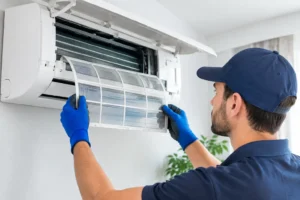
A practical landlord guide to air conditioning has to be clear on maintenance: if you install a fixed system, you need to maintain it properly. Dust build-up, blocked filters and neglected components reduce performance and can shorten the life of the equipment. They can also affect air quality and lead to avoidable repair costs.
Routine servicing helps keep the system efficient and dependable. It also gives you the chance to spot wear before it turns into a full failure. For landlords with multiple properties, scheduled maintenance is usually more cost-effective than reacting to breakdowns one at a time.
The exact servicing frequency depends on usage and property type. A lightly used residential unit may need less attention than a heavily occupied property or one where tenants run the system for long periods. Even so, regular inspection is a sensible baseline. If maintaining value and limiting disruption are priorities, maintenance should be part of the budget from day one.
Costs, return and where the numbers do – and do not – work
Landlords naturally want to know whether air conditioning pays back. Sometimes it does directly through stronger rental appeal or higher achievable rent. Sometimes the return is less direct but still worthwhile – fewer complaints, longer tenancies and a property that compares better against competing lets.
The numbers depend on the property tier. In a premium flat or well-finished family rental, air conditioning can support the overall specification and strengthen marketability. In a lower-rent property, the financial return may be slower, so the decision needs more caution.
Running costs also matter. Modern systems are far more efficient than many landlords assume, particularly when correctly sized and maintained. But they still add to electricity use, and that cost needs considering if bills are included. The best approach is to look at whole-life value rather than upfront cost alone.
Choosing the right contractor
Landlords do not need the cheapest quote. They need a contractor who can assess the property properly, recommend suitable equipment and support the system after installation. That includes clear pricing, realistic advice and a willingness to explain where a smaller or larger system would be a poor fit.
A dependable contractor should be comfortable advising on installation, repairs and ongoing maintenance rather than treating each as a separate conversation. That joined-up approach is often what keeps costs under control over the life of the system.
Essex Air Conditioning works with property owners who need that practical balance – quality installation, responsive repair support and maintenance that protects performance over time. For landlords, that matters far more than sales talk.
If you are weighing up whether air conditioning belongs in your rental property, start with the property itself, the tenants you want to attract and the level of service you are prepared to maintain. The right system should make the property easier to let and easier to manage, not harder on both counts.