A bedroom that feels unbearable at 11pm, a south-facing lounge that overheats every afternoon, and a home office full of heat from screens all require different answers. Knowing how to plan home cooling means looking beyond the hottest room on the hottest day. The right plan should deliver dependable comfort where you need it, avoid unnecessary running costs, and suit the way your household actually lives.
For homeowners in Essex, planning early also makes installation simpler. A considered design gives your installer time to select suitable equipment, identify discreet pipe routes and position outdoor units correctly, rather than trying to solve every issue once a heatwave has already arrived.
Start with the rooms that need cooling most
Begin by deciding which rooms genuinely need air conditioning. For many homes, the priority is one or two bedrooms, a home office and the main living area. Cooling every room may be appropriate in a large property or a home with consistently high internal temperatures, but it is not always the most cost-effective route.
Think about when each space is occupied. A bedroom needs quiet, steady overnight cooling, while a lounge may need more capacity during sunny afternoons and evenings. A home office can warm up quickly from computers, monitors and people, even when the weather outside is moderate.
Also consider the rooms that are difficult to cool naturally. Lofts, extensions with large glazed doors, top-floor flats and south- or west-facing rooms often retain more heat. These spaces are usually where a properly specified system makes the biggest difference.
Assess heat gain before choosing a system
The size of a room is only one part of the calculation. Air conditioning capacity needs to account for the heat entering and being generated inside the space. This is why choosing a unit solely by floor area can lead to disappointing results.
An experienced survey should consider ceiling height, insulation, window size and orientation, glazing quality, shading, and how the room is used. A compact room with full-height south-facing glazing may require more cooling than a larger, shaded room with good insulation.
Internal heat matters too. Kitchens, utility rooms and offices can generate considerable warmth from appliances. If several people regularly use the room, that adds to the cooling load. The aim is not simply to install the largest unit available. An oversized system can cycle too quickly, control humidity less effectively and cost more than necessary. An undersized unit may run continuously without ever making the room comfortable.
Choose the right approach to home cooling
Most domestic installations use split air conditioning systems. These pair an indoor unit with an outdoor condenser and provide efficient cooling, with many models also offering heating for the colder months.
A single-split system is often the right choice when one room is the clear priority, such as a master bedroom, garden office or lounge. It is straightforward, efficient and usually the most affordable way to improve comfort in a targeted area.
A multi-split system connects several indoor units to one outdoor unit. This can be a practical solution where cooling is needed in multiple bedrooms or across several living spaces, especially where external space is limited. Each indoor unit can normally be controlled independently, allowing different rooms to be set to different temperatures.
There is a trade-off. A multi-split installation can reduce the number of outdoor units, but its pipework design and installation are more involved. In some properties, separate single-split systems may offer more flexibility. The best option depends on the layout of your home, the rooms you want to cool and the available installation routes.
Plan indoor and outdoor unit locations carefully
Indoor unit placement has a significant effect on comfort. The unit should distribute air across the room without blowing directly onto a bed, sofa, desk or dining table. A properly positioned wall-mounted unit can cool a space evenly and operate quietly, while a poorly positioned one can create draughts and uneven temperatures.
Where possible, plan locations before decorating or refurbishing. This helps keep pipework, condensate drains and electrical connections tidy. In some homes, trunking may be required externally or internally, but thoughtful routing can make the finished installation far less noticeable.
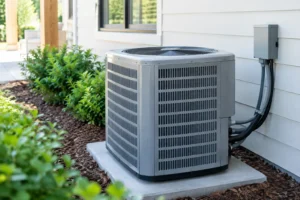
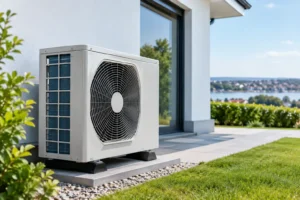
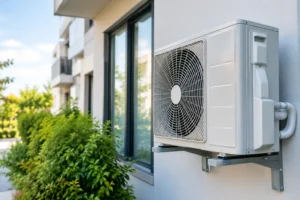
The outdoor unit needs sufficient airflow, solid support and accessible positioning for future servicing. It should not be boxed into a tight space or placed where discharged air will recirculate. Noise is also worth considering, particularly near bedroom windows, neighbour boundaries and outdoor seating areas. Modern equipment is designed for quiet operation, but location still matters.
If you live in a flat, leasehold property or conservation area, check any restrictions before work begins. Landlord consent, freeholder approval or planning considerations may apply depending on the building and the proposed external unit position.
Build efficiency into your cooling plan
The most efficient cooling system is one that has been correctly sized, professionally installed and sensibly controlled. High-quality inverter air conditioning does not simply switch fully on and off. It adjusts output to maintain the selected temperature more steadily, which can improve comfort and reduce wasted energy.
Set realistic temperatures. Trying to turn a room from 30°C to 16°C quickly is rarely necessary and may increase energy use. A comfortable setting around 21°C to 24°C will suit many households, depending on personal preference and activity levels. Keeping doors and windows closed while cooling is operating also prevents the system from fighting against warm outdoor air.
Simple improvements around the home support the system as well. Closing blinds or curtains before the strongest sun arrives, improving loft insulation and reducing heat from unnecessary appliances can all lower the demand on your air conditioning. Cooling is most effective when it forms part of a wider approach to managing heat gain.
Consider noise, controls and everyday use
Comfort is about more than temperature. For bedrooms, look for low indoor sound levels and features such as sleep modes, timer settings and gentle fan speeds. In living areas, adjustable airflow direction can make a noticeable difference, particularly in open-plan rooms.
Wi-Fi controls can be useful for households with changing routines. They allow you to cool a room before arriving home, set schedules or check settings remotely. However, they should be a convenience rather than the main reason for selecting a system. Reliable performance, correct capacity and good installation remain the essentials.
If different family members prefer different temperatures, zoned cooling is particularly valuable. There is little benefit in cooling unused rooms all day. Independent controls let you focus energy where it is needed, whether that is one bedroom overnight or a busy living space at the weekend.
Include installation and maintenance in the budget
When planning costs, account for more than the unit itself. The final price will reflect the required capacity, number of indoor units, pipework length, electrical work, wall access, condensate drainage and any specialist mounting requirements. A free survey and clear, no-obligation quotation help ensure these details are considered before installation begins.
It is worth investing in professional installation rather than treating air conditioning as a simple appliance purchase. Refrigerant handling, electrical safety, pressure testing and commissioning all affect reliability, efficiency and manufacturer warranty requirements.
Ongoing maintenance should be part of the plan from the start. Filters need regular cleaning, and a professional service helps maintain airflow, check drainage, inspect electrical connections and confirm that the system is operating as it should. This protects performance and can identify small issues before they become expensive repairs.
How to plan home cooling with confidence
A good home cooling plan starts with your rooms, routines and property rather than a product brochure. Identify where the heat is most disruptive, assess why those spaces overheat, then choose a system and layout that solves the problem without overcomplicating the installation.
For homes across Essex, a professional survey is the most reliable next step. It turns rough ideas about a cooler bedroom or more comfortable living room into a practical design, with the right capacity, sensible unit locations and clear costs. Plan before the next spell of hot weather, and your home will be ready to stay comfortable when it matters most.