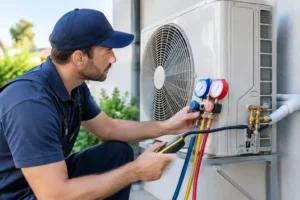
A failed air conditioning unit rarely chooses a convenient moment. It is often on the first hot day in a busy office, during a customer appointment, or when a home has become uncomfortable overnight. This guide to aircon servicing contracts explains how planned maintenance can reduce those surprises, protect your equipment and give you a clearer view of ongoing costs.
For homeowners, landlords and businesses, a servicing contract is not simply a scheduled visit. It is an agreement to keep your system checked, cleaned and operating as efficiently as practical throughout the year. The right arrangement will reflect the type of system you have, how hard it works and the consequences if it stops working.
What Is an Aircon Servicing Contract?
An aircon servicing contract is a planned maintenance agreement between the property owner or manager and an air conditioning contractor. Rather than waiting for a fault to develop, you arrange regular service visits at agreed intervals.
During those visits, a qualified technician will inspect the system, carry out routine cleaning, test key functions and identify developing issues. The aim is to maintain reliable cooling and heating performance, as many modern air conditioning systems provide both.
A contract is particularly useful where air conditioning is essential to daily operations. A salon, shop, office, server room, restaurant or rental property can all be affected by an unexpected breakdown. However, it can be equally worthwhile for a home system that is used regularly through summer or for heating in cooler months.
The detail matters. One contract may include labour for minor repairs and priority call-outs, while another covers scheduled servicing only. Always check exactly what you are paying for before comparing prices.
Why Planned Servicing Is Better Than Waiting for a Fault
Air conditioning systems collect dust, experience vibration and rely on several electrical and mechanical components working together. Filters can become blocked, condensate drains can develop restrictions and electrical connections may loosen over time. These are often small issues at first, but they can affect airflow, energy use and comfort if left unattended.
Planned servicing gives a technician the chance to spot warning signs before they become a full system failure. That could mean addressing unusual noise from a fan, cleaning a dirty indoor coil or investigating a drain issue before water appears inside the property.
There is also an efficiency benefit. When airflow is restricted or components are dirty, the unit may need to work harder to reach the temperature you have set. Regular maintenance cannot make an ageing or poorly sized system perform like a new one, but it can help a suitable system operate closer to its intended standard.
For commercial customers, consistency is often the biggest benefit. A planned contract helps facilities teams budget for maintenance, maintain service records and avoid organising urgent visits during their busiest periods. For landlords, it can support a more reliable environment for tenants and help demonstrate that equipment has been maintained responsibly.
What Should a Servicing Visit Include?
There is no single checklist that suits every system, but a thorough service should go beyond a quick visual inspection. The technician should assess the indoor and outdoor units, consider how the system is performing and leave a clear record of the work completed.
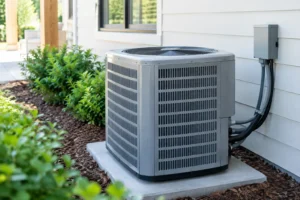
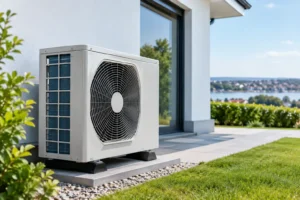
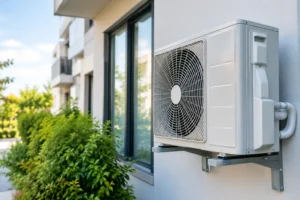
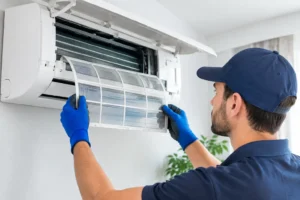
A typical visit may include cleaning or checking filters, inspecting indoor and outdoor coils, checking fan operation, examining electrical connections and testing controls. The condensate drain and pump, where fitted, should be checked because drainage faults can lead to leaks and internal water damage.
The engineer may also review refrigerant-related indicators where appropriate, test temperatures and look for signs of wear or damage. If a fault is found, you should receive a clear explanation of the issue, the recommended repair and any cost that falls outside the contract.
Cleaning is not cosmetic. Dust and debris on filters and coils can restrict airflow, while neglected outdoor units may struggle to release heat effectively. In coastal parts of Essex, external equipment can also be exposed to salt-laden air, so regular inspection can be especially sensible.
Service Reports and Maintenance Records
Ask whether a report is provided after every visit. A useful report records the units attended, checks completed, observations and any recommended action. This gives business owners and property managers a practical maintenance history rather than relying on memory or informal notes.
Records can also be useful when planning replacements. If the same unit repeatedly needs attention, the service history helps you judge whether further repairs remain sensible or whether replacement would offer better value.
How Often Should Air Conditioning Be Serviced?
The right frequency depends on use, environment and system type. Many residential systems benefit from an annual service, particularly when they are used heavily for cooling or heating. For a lightly used bedroom unit, a yearly visit may be enough, provided filters are checked between visits in line with the manufacturer’s guidance.
Commercial systems often need more frequent attention. Offices, retail premises and hospitality venues may choose twice-yearly servicing, usually scheduled before warmer weather and again ahead of the heating season. Systems in kitchens, workshops, salons or dusty environments may need closer attention because filters and coils can become dirty more quickly.
Critical cooling applications need their own approach. Equipment protecting IT rooms, stock or temperature-sensitive areas may require more frequent inspections and a defined response plan for faults. In these settings, the cost of downtime can be far greater than the cost of a stronger maintenance agreement.
Larger systems may also have additional legal or operational requirements. For example, air conditioning systems with an effective rated cooling output of more than 12kW may require a TM44 air conditioning inspection at prescribed intervals. This is separate from routine servicing, so it is worth confirming whether your contractor can advise on both.
Choosing the Right Aircon Servicing Contract
The cheapest quotation is not always the lowest-cost option over time. A low headline price can exclude key tasks, provide limited reporting or leave you without priority support when the system fails. The best contract is one that matches the equipment and the level of risk at your property.
Before agreeing to a contract, establish how many visits are included each year and whether the proposed frequency is based on your actual usage. Check that the contractor will maintain every indoor and outdoor unit listed, not just selected parts of the system.
It is also sensible to clarify call-out arrangements. Does the agreement offer priority attendance? Are emergency visits available? Is labour included for repairs, or is it charged separately? Parts and refrigerant are commonly excluded from standard servicing contracts, but this should be explained clearly rather than appearing as a surprise later.
Look for a contractor that uses experienced technicians and communicates directly. You should be able to ask questions, receive practical recommendations and understand what work is necessary now versus what can be planned for later. A responsible contractor will not treat every observation as an urgent replacement.
Questions Worth Asking Before You Sign
Ask what is included in each planned visit, how quickly faults are normally attended and whether service reports will be issued. Confirm the contract length, renewal terms and cancellation arrangements. If your property has several units, ask whether the price is fixed for the full equipment schedule or subject to change once visits begin.
For businesses, ask whether visits can be arranged outside customer-facing hours. This can be useful in retail, hospitality and healthcare settings where maintenance work during opening hours may cause disruption.
The Cost Question: What Represents Good Value?
Contract costs vary according to the number of units, access requirements, service frequency, equipment age and the support included. A single domestic split system is very different from a multi-room commercial installation with several outdoor units.
The most useful comparison is not simply annual cost. Consider what an unplanned failure would mean for your home or business, how much a reactive call-out may cost, and whether poor performance could be increasing electricity bills. Planned maintenance will not prevent every breakdown, but it gives you a better chance of dealing with problems early and budgeting for work properly.
If a unit is old, repeatedly faulty or no longer meeting the needs of the space, a servicing visit may reveal that replacement is the more economical route. That is not a failure of the contract. Good maintenance should give you honest information to make the right decision.
A Practical Approach for Essex Properties
For properties across Essex, arrange servicing before demand peaks rather than waiting for the first heatwave. You are more likely to secure a convenient appointment, and any repairs can be completed before the system is relied upon every day.
Essex Air Conditioning can assess your equipment, explain a suitable maintenance schedule and provide a straightforward quotation based on your property and requirements. Whether you manage a commercial site or want dependable comfort at home, the right servicing contract should make ownership simpler, not more complicated.
A well-maintained air conditioning system is easier to live and work with. Choose a contract that is clear about its coverage, suited to the way you use your equipment and supported by technicians you can rely on when you need them.