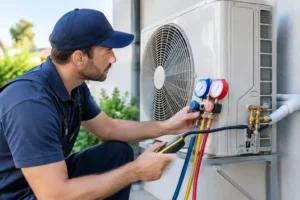
A packed Saturday can turn a salon warm surprisingly quickly. Hairdryers, straighteners, lighting, close client seating and busy stylists all add heat, while open doors can bring in humid summer air. The right aircon for salons Essex businesses can rely on does more than cool the room. It helps clients feel comfortable in the chair, gives your team a better environment to work in and protects the polished experience your salon is known for.
For salon owners, air conditioning is not simply a summer purchase. It is part of creating a space where clients are happy to stay, staff can focus, and the atmosphere feels calm from the first appointment to the last.
Why salon air conditioning needs proper planning
A domestic-sized unit chosen on price alone may struggle in a working salon. Salons produce a changing heat load throughout the day. At quieter times, the system may only need to maintain a pleasant background temperature. During peak hours, multiple appliances, occupied chairs and sunlight through the front window can place far greater demand on it.
This is why an on-site survey matters. A competent installer will assess the size and layout of the salon, ceiling height, glazing, sun exposure, number of workstations and the equipment used daily. They should also consider practical details such as where clients wait, where colour treatments take place and whether there are enclosed staff areas that become uncomfortable.
The aim is neither an underpowered system that runs constantly nor an oversized system that cools too quickly and switches on and off excessively. Correct sizing supports efficient operation, steadier temperatures and a longer working life.
What clients and staff notice first
Clients rarely ask which air conditioning system has been installed, but they notice how the salon feels. A stuffy reception area, hot styling floor or noisy wall unit can distract from an otherwise excellent service. Well-designed air conditioning creates a controlled, comfortable environment without becoming the focus of the room.
Quiet operation around the styling floor
Noise levels should be a priority. Hairdryers are already part of the salon soundscape, so an indoor unit should be selected and positioned to avoid adding an intrusive hum. Modern systems can operate quietly, particularly when they are correctly sized and professionally fitted.
Placement is equally important. Cool air should not blow directly onto a client during a cut, colour or treatment. A client who feels cold while waiting for colour to develop will not thank you for a powerful system aimed at their chair. Adjustable airflow and thoughtful unit positioning make a real difference.
Consistent comfort, not cold blasts
The best salon temperature is usually one that clients barely think about. It should feel fresh during a busy afternoon but not chilly at the basin or reception desk. Systems with inverter technology can adjust their output gradually rather than continually running at full power. This helps maintain more even comfort and can reduce unnecessary energy use.
Many salon systems also provide heating. That can be useful in spring and autumn, when the weather changes quickly and full central heating may feel excessive. For some smaller premises, a well-planned heat pump air conditioning system can provide an efficient additional heat source. Whether it should replace existing heating depends on the building, insulation, operating hours and the salon’s current energy arrangements.
Aircon for salons Essex: choosing the right system
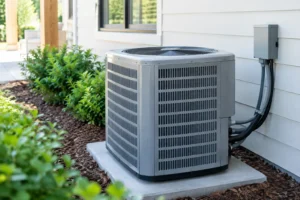
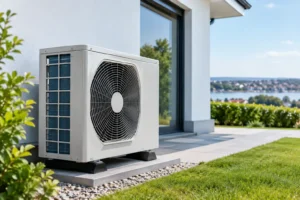
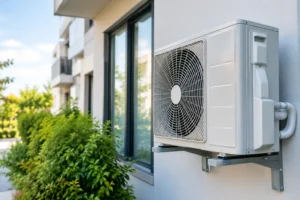
For many single-room or smaller salons, a wall-mounted split system is a practical choice. It has an indoor unit in the salon and an outdoor condenser, offering effective cooling and heating without taking up valuable floor space. It can be discreet, efficient and straightforward to control.
Larger salons, premises with separate treatment rooms or businesses with several floors may need a multi-split system. This allows several indoor units to connect to one outdoor unit, giving greater control over different areas. For example, the reception may need only light cooling while a busy styling area requires more output.
Ceiling cassette units can be a good option where there is a suitable suspended ceiling and a more central air distribution is needed. They are often considered for open-plan salons because they can spread air in several directions. However, access for installation and future servicing must be checked before choosing this route.
The right option depends on the premises. A compact salon in Leigh-on-Sea with limited external wall space has different constraints from a larger commercial unit in Chelmsford or Basildon. A survey should identify the most sensible route for pipework, condensate drainage and outdoor unit location before any commitment is made.
Do not confuse air conditioning with ventilation
Air conditioning and ventilation work together, but they do different jobs. Air conditioning controls temperature and can filter recirculated air. It does not automatically provide the fresh-air ventilation required for a busy salon.
This distinction matters where there are chemical treatments, nail services, limited opening windows or enclosed treatment spaces. Depending on the services offered and the layout of the building, mechanical extraction or fresh-air ventilation may be needed to manage odours, humidity and indoor air quality properly.
A professional assessment should look at the whole environment rather than treat cooling as a standalone issue. This approach is particularly valuable for salons planning a refurbishment, adding treatment rooms or taking on a new commercial lease. Addressing ventilation early is generally far easier than trying to correct it after the space is finished.
Installation details that protect your salon’s appearance
A salon is a client-facing space, so installation quality is visible. Pipework, trunking and electrical connections need to be neat, secure and considered alongside mirrors, retail shelving and décor. The outdoor unit also needs an appropriate location with adequate airflow, safe access for maintenance and minimal disturbance to neighbours or nearby properties.
Before work begins, agree where units will sit, how cables and pipework will be routed, and whether the salon can remain open during fitting. In many cases, installation can be planned around quieter days or hours to reduce disruption. The exact timetable depends on the system and the complexity of the property, but clear planning avoids unwelcome surprises.
Use an appropriately qualified contractor who can supply and install the equipment correctly, carry out commissioning and explain the controls. Essex Air Conditioning provides free surveys and no-obligation quotes, helping salon owners make a clear decision based on their premises rather than a generic recommendation.
Running costs and the value of efficient use
Energy costs are a reasonable concern, particularly for salons already running several electrical appliances throughout the day. Running cost depends on system size, efficiency rating, insulation, set temperature, operating hours and how often doors are opened.
The most effective approach is usually moderate, steady control. Setting the system to an extremely low temperature does not cool a salon faster, but it can increase consumption and make the space uncomfortable. Keeping doors and windows closed where practical, cleaning filters and using sensible temperature settings all support efficiency.
For a commercial purchase, the cheapest quote is not always the best value. A lower-quality installation, poor sizing or difficult-to-service unit can cost more through repairs, disruption and higher energy use over time. Premium equipment, correct design and skilled workmanship are investments in a system that performs when the salon is busiest.
Maintenance keeps comfort dependable
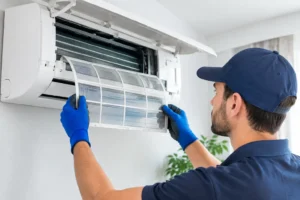
A salon air conditioning system works hard, particularly through warm spells. Filters can collect dust and airborne particles, drainage can need checking, and minor issues can affect performance if left unresolved. Regular maintenance helps keep the system hygienic, efficient and reliable.
A planned service should include cleaning relevant components, checking airflow and drainage, inspecting electrical connections and testing that the system is operating as it should. It also gives an engineer the chance to spot wear before it becomes a breakdown during a fully booked week.
Between visits, staff can help by keeping supply and return air paths clear and reporting unusual noises, reduced cooling, leaks or unpleasant smells promptly. Waiting until a unit stops altogether often turns a manageable repair into a more urgent and disruptive job.
A salon should feel as considered as the service it provides. When air conditioning is designed around your space, services and client journey, it quietly supports every appointment – keeping the room comfortable, the team focused and clients ready to return.