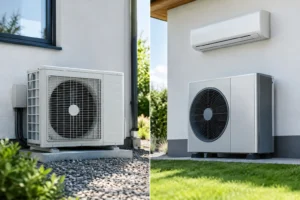
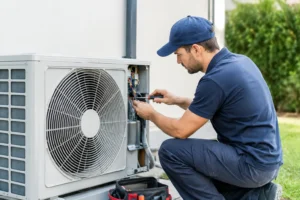
A hot bedroom, a stuffy office or a customer area that never feels comfortable can make air conditioning feel urgent. So, how long does aircon installation take? For most homes and small commercial premises, a straightforward single-system installation is completed within one working day. Larger, more complex systems can take several days, particularly where multiple rooms, difficult access or electrical upgrades are involved.
The reliable answer depends on the system you choose and the condition of the property. A professional survey before work begins is the best way to receive an accurate timescale, avoid surprises and make sure the installation is planned around your routine.
Typical aircon installation timescales
A wall-mounted split air conditioning system serving one room is usually the quickest option. This includes one indoor unit, one outdoor condenser and the pipework and wiring that connect them. In a property with clear access and a sensible location for both units, the work commonly takes between four and eight hours.
Two or three indoor units connected to one outdoor unit may still be completed in a day, but it can extend into a second day if pipe runs are long or the rooms are spread across different floors. A multi-split system needs more careful routing, more electrical connections and more time to test every indoor unit correctly.
For a larger home, office, shop, restaurant or commercial site, installation time varies more widely. Several rooms may need units, external equipment may require brackets or a roof installation, and the electrical supply may need to be assessed or improved. These projects often take two to five days. Substantial commercial air conditioning and ventilation work can take longer, especially where the installation must be phased around trading hours or other contractors.
What happens during an aircon installation?
The visible fitting of the indoor and outdoor units is only one part of the job. A properly installed system must be positioned, connected, pressure tested, drained and commissioned so it operates efficiently and reliably.
On the day, engineers first confirm the agreed locations and protect the working areas. They install the indoor unit or units, drill a carefully positioned opening for pipework and fit the external condenser on a suitable wall bracket, ground base or other approved location. Refrigerant pipework, condensate drainage and electrical cabling are then run between the units.
The system is not simply switched on at this point. The pipework is pressure tested for leaks, evacuated to remove air and moisture, and checked before the system is started. Engineers then test heating and cooling functions, drainage, controls and airflow. They should also explain how to use the controller and leave the area tidy.
This commissioning stage is why a professional installation takes longer than fitting the equipment alone. Rushing it can lead to poor performance, water leaks, inefficient running costs and avoidable repairs later.
Factors that can make the work take longer
Every property has its own practical challenges. During a free survey, an experienced installer will identify these early and give you a realistic plan rather than an optimistic estimate.
The route between the indoor and outdoor units is a major factor. A short pipe run through an external wall is relatively simple. A route that crosses several rooms, goes up to a loft, runs beneath flooring or needs discreet trunking along an exterior wall requires more time and planning.
Access also matters. Ground-floor work with clear space around the property is usually straightforward. Upper-floor flats, tight side passages, restricted parking, roof-mounted equipment or outdoor units positioned above ground level can require specialist access equipment and a longer working window.
The existing electrical installation may affect the programme too. Air conditioning systems need a correctly sized, safe electrical supply and appropriate isolation. If a new circuit, electrical upgrade or coordination with another qualified contractor is required, this should be allowed for before the installation date.
Older buildings can present additional considerations. Solid walls, listed features, confined ceiling voids and hidden services all need care. The aim is not simply to get the system fitted quickly, but to protect the building while delivering a neat finish and dependable performance.
Will installation disrupt your home or business?
For a standard home installation, disruption is normally limited to the rooms where work is taking place. There will be drilling, tools and some unavoidable noise, but professional engineers keep the workspace organised and clean up after installation. You can usually remain at home while the work is completed.
If the system serves a bedroom, it is sensible to clear furniture away from the chosen wall and remove fragile items beforehand. Your installer will advise on any access needed to a loft, garden, side passage or electrical consumer unit. Pets should be kept away from the work area for their safety and to allow engineers to work efficiently.
Businesses may need more coordination. A salon, clinic, café, office or retail space may prefer work outside opening hours, in quieter periods or in stages to reduce disruption for staff and customers. This can add time to the overall programme, but it often makes operational sense. A good contractor will plan the work around the property rather than forcing the property to fit the work.
Can air conditioning be installed in one day?
Yes, often. A single-room split system is routinely installed in one day when the survey confirms straightforward access, a suitable electrical supply and a practical pipe route. Bedrooms, home offices, garden rooms and small shops are common examples.
However, a one-day promise should never come at the expense of quality. If the installer finds an issue that was not visible during the survey, such as unexpected pipework, unsuitable wall construction or an electrical concern, the right decision may be to pause and resolve it properly. That protects your investment and avoids a system that looks finished but is not installed to the required standard.
How to help your installation run smoothly
The most useful preparation is to agree the indoor and outdoor unit locations before the installation date. Think about comfort, appearance, access for future servicing and where condensate water can drain safely. The quietest-looking location is not always the best-performing one, so take your engineer’s advice on airflow and pipe routing.
Make sure there is a clear route to the work areas, including any outdoor location. Move vehicles, garden furniture, stored items and anything fragile that could slow access or be affected by dust. If the installation is for a business, tell staff in advance and identify any times when noise or restricted access would cause a problem.
It is also worth planning for maintenance from day one. Filters need cleaning and air conditioning equipment benefits from regular professional servicing. Leaving sensible access around indoor units and the outdoor condenser makes future maintenance faster and helps the system retain its efficiency.
Why the survey matters more than a quick estimate
A survey is where installation time, cost and system suitability are properly considered together. The engineer can assess room size, heat gain from glazing, occupancy, equipment, ceiling height and insulation. For commercial settings, they may also consider opening hours, customer traffic and ventilation requirements.
This prevents a common mistake: choosing an undersized unit simply because it is cheaper or faster to fit. A correctly specified air conditioning system should cool the room effectively without constantly running at full output. It should be suitably quiet, economical to operate and positioned for even air distribution.
For homeowners and businesses across Essex, Essex Air Conditioning provides free surveys and no-obligation quotations so the expected installation time is clear before work is booked. That gives you the chance to ask practical questions about access, finish, controls and the most suitable system for your property.
If comfort is becoming difficult to manage, do not judge an installation only by the number of hours on site. The best result is a carefully planned system that is fitted neatly, tested thoroughly and ready to keep your space comfortable for years to come.