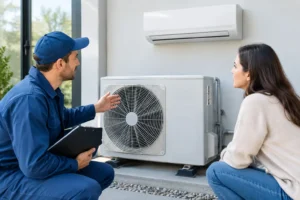
A stuffy shop rarely stays an internal problem. Customers spend less time browsing, staff become uncomfortable, refrigerated displays work harder, and doors are opened more often as people look for relief. A shop cooling upgrade in Basildon is therefore not simply a response to a hot week in July. It is a practical investment in customer comfort, staff wellbeing and a more dependable trading environment.
For independent retailers, salons, convenience stores, cafés and customer-facing commercial premises, the right system should cool the space consistently without becoming noisy, unsightly or expensive to run. The best answer depends on the size and layout of the shop, how heat enters the building and how the premises operate through the day.
When a Shop Cooling Upgrade in Basildon Makes Sense
Many businesses wait until an ageing air conditioning unit fails completely. That can leave you arranging emergency work during a heatwave, with fewer options on equipment, scheduling and budget. Planning an upgrade before the existing system reaches that point gives you far more control.
There are clear signs that a replacement or larger system may be the sensible choice. If some areas of the shop are consistently warmer than others, the unit runs all day without reaching a comfortable temperature, or energy bills have risen without an obvious explanation, the system may no longer suit the premises. Unusual noise, water leaks, poor airflow and repeated repair call-outs also deserve attention.
A change in the business itself can be just as important. Perhaps more display lighting has been added, a treatment room has been created, new refrigeration has increased the heat load, or the shop floor now has more staff and customers at peak times. An air conditioner installed for the original layout may not have the capacity or air distribution needed today.
Start With the Space, Not the Unit
Choosing air conditioning by headline capacity alone is a common and costly mistake. A unit that is too small will struggle on warm days and may run continuously. One that is too large can cool the space too quickly, cycle on and off more often and provide less effective humidity control. Neither outcome is good for running costs or comfort.
A professional survey considers the practical details that determine the real cooling demand. This includes floor area, ceiling height, glazing, insulation, sun exposure, lighting, heat-producing equipment, occupancy levels and how often entrance doors open. A south-facing shopfront with broad glass panels needs a different approach from a shaded unit on an industrial estate, even if the floor area is similar.
Layout matters too. A single wall-mounted split system can be an excellent choice for a compact shop with an open sales area. Larger or divided premises may need several indoor units, a multi-split arrangement or a commercial system designed to serve different zones. The aim is not to fill the site with equipment. It is to put cooling where people work, browse and wait.
Think about comfort at the counter and on the shop floor
Airflow should reach the areas that matter without blowing directly onto staff members who remain in one place for hours. Counter positions, seating areas, changing rooms and treatment spaces all need consideration. Correct indoor-unit placement is often the difference between cooling that feels natural and cooling that becomes a daily irritation.
It is also worth considering whether cooling is the only issue. In a busy salon, gym or food premises, ventilation may need attention alongside air conditioning. Fresh-air provision and extraction can affect air quality, humidity and the overall feel of the space. An experienced contractor can assess how those systems should work together rather than treating each one in isolation.
Choose Equipment for Year-Round Value
Modern air conditioning systems usually provide both cooling and heating. For many shops, that makes an upgrade more useful than a seasonal solution. During cooler months, an efficient air-to-air heat pump can provide responsive warmth in areas that are difficult or costly to heat by other means.
Energy efficiency should be assessed in relation to how the premises trade. A shop open six or seven days a week may benefit from a higher-efficiency system with better controls, even if the initial cost is higher. A unit with inverter technology adjusts its output to match demand instead of simply switching between full power and off. This can improve comfort and reduce wasted energy when conditions are less extreme.
Controls are equally valuable. Programmable schedules can bring the space to temperature before opening time rather than running overnight. Remote monitoring can help business owners or facilities teams check performance across more than one site. However, advanced controls only add value when they are simple enough to use properly. The most suitable setup is one staff can operate confidently without constantly overriding it.
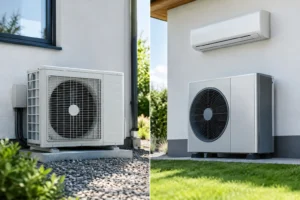
Appearance should not be overlooked. Indoor units can often be positioned discreetly above shelving, behind counter lines or in locations that protect the customer experience. External condensers need a suitable place with sufficient airflow, accessible service clearance and consideration for neighbours. Noise levels, planning restrictions, lease conditions and landlord approval may all affect the final design, particularly in retail parades and managed commercial buildings.
Plan Installation Around Trading Hours
The best time for an upgrade is usually before the hottest period, but scheduling is not just about the weather. Retailers need to protect normal trading as much as possible. A good installation plan identifies where engineers will work, how access will be managed, whether drilling or pipework routes affect stock areas, and when any brief interruption to power may be required.
For a small shop, installation can often be arranged around quieter periods, a closed day or outside core opening hours. More involved projects may need phased work so part of the premises remains comfortable and operational. There is no universal timetable, but early planning makes it much easier to match the work to the way the business runs.
Before approving a quote, make sure the scope is clear. It should set out the proposed equipment, locations of indoor and outdoor units, pipework routes, electrical requirements, condensate drainage, commissioning and any making-good work. You should also understand who is responsible for permissions where the property is leased.
Cheapest is not always best. A low initial figure can become poor value if it excludes electrical work, uses equipment that is difficult to support, or provides little attention to placement and commissioning. Equally, the most expensive proposal is not automatically necessary for a straightforward small retail unit. The right solution is proportionate to the premises and supported by a clear explanation of why it has been specified.
Protect the Investment With Maintenance
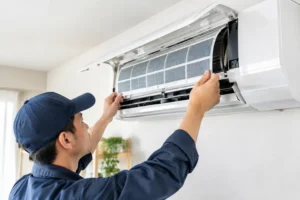
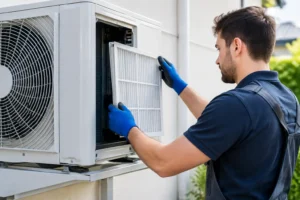
An upgrade should reduce disruption, not move it into the future. Filters collect dust quickly in retail settings, especially near entrances, busy roads or stock areas. Dirty filters restrict airflow, reduce efficiency and can affect indoor air quality. Blocked condensate drains can lead to leaks, while neglected outdoor units may struggle to reject heat when demand is highest.
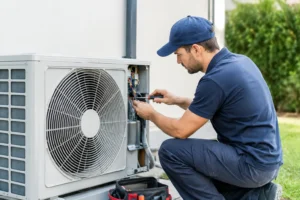
Regular maintenance allows these issues to be dealt with before they affect customers or staff. A planned visit typically includes cleaning key components, checking airflow, inspecting electrical connections, testing drainage and confirming that the system is operating as it should. The exact frequency depends on usage and the environment, but a heavily used shop should not rely on a reactive approach alone.
Staff can support performance between visits by keeping indoor units unobstructed, avoiding stock piled against airflow paths and reporting changes in noise, smell or cooling quickly. Small symptoms are easier to resolve before they develop into a breakdown at the busiest time of year.
Get Advice That Fits Your Premises
A shop cooling upgrade should feel like a measured business decision, not a rushed reaction to uncomfortable weather. A free survey and no-obligation quotation give you the chance to understand the options, likely installation approach and ongoing requirements before committing.
Essex Air Conditioning provides practical cooling, installation and maintenance support for businesses across Basildon and the wider Essex area. The useful next step is simple: arrange a survey while your current system is still operating, so your shop can be ready for the next busy warm spell on your terms.