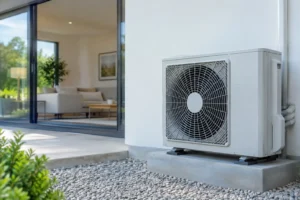
A new air conditioning system is no longer judged only by how quickly it cools a room. Low carbon aircon trends are changing the questions homeowners, landlords and facilities managers ask before approving an installation: how much electricity will it use, which refrigerant does it contain, and will it remain a sensible choice as energy costs and regulations change?
For properties across Essex, the answer is rarely a single product or headline efficiency figure. A lower-carbon result comes from matching the system to the building, installing it correctly and maintaining it properly for years after commissioning. That is good news for comfort as well as running costs.
Low carbon aircon trends shaping new installations
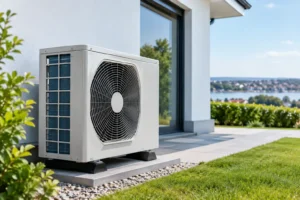
The strongest trend is the move towards highly efficient inverter-driven systems. Traditional fixed-speed equipment tends to switch on at full output and off again once the target temperature is reached. Inverter units adjust their output to meet demand more closely. They can maintain a steadier room temperature and avoid much of the energy waste associated with repeated stop-start operation.
This matters in the UK, where air conditioning is often used for short, changeable periods rather than running at maximum output all day. An appropriately sized inverter system can respond to a warm afternoon, a sunny south-facing office or a busy retail space without consuming more energy than the conditions require.
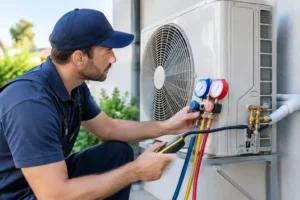
Another significant development is the transition to refrigerants with a lower global warming impact. Refrigerant choice is not a minor technical detail. If a system leaks, the gas released can have a far greater climate effect than carbon dioxide. Manufacturers are therefore moving away from older, higher-impact gases and towards lower-GWP alternatives, including R32 in many smaller comfort cooling systems.
That said, lower GWP does not automatically make every installation low carbon. Refrigerants such as R32 require competent handling, correct pipework practices and suitable system design. The right choice depends on the application, equipment capacity, building layout and safety requirements. A professional survey should consider all of these factors rather than treating one refrigerant as a universal answer.
Heating and cooling from one system
Air-to-air heat pump technology is also becoming more relevant. Many modern split air conditioning systems can provide efficient heating as well as cooling. For a home office, shop, salon or small commercial area, this may reduce reliance on direct electric heaters or supplement an existing heating system during milder weather.
The trade-off is that heating performance and running cost depend on the insulation, heat loss and way the space is used. An air conditioning unit should not be specified as a replacement for every type of central heating system without a proper assessment. But where the use case is right, year-round operation can improve the value of the investment and make better use of the equipment.
Efficiency figures need context
Seasonal efficiency ratings are useful because they indicate how a system performs across a range of conditions, rather than at one laboratory test point. Higher-rated equipment will usually offer lower electricity consumption, but the rating is only part of the decision.
An oversized unit may cycle inefficiently and create uncomfortable temperature swings. An undersized unit may run continuously on hot days, struggle to meet demand and wear more quickly. Poor indoor unit positioning can send cooled air into an empty corridor while desks, beds or customer areas remain warm. Even premium equipment cannot compensate for a design that ignores the room.
For commercial properties, zoning is increasingly central to low-carbon design. Instead of cooling an entire building to suit one occupied room, separate areas can be controlled according to their actual use. Meeting rooms, server rooms, reception spaces and offices rarely have the same cooling requirements or operating hours. Zoned controls help avoid conditioning spaces that do not need it.
Smart controls support this approach, particularly when they are kept simple. Timers, sensible temperature limits and occupancy scheduling can reduce unnecessary running. The objective is not to give every user a complicated app. It is to make sure the system operates when people need it and does not quietly run overnight, through weekends or in vacant rooms.
Maintenance is a carbon issue, not just a repair issue
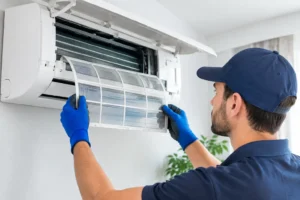
A system that is low carbon on the day it is installed can become inefficient if it is neglected. Dirty filters restrict airflow, contaminated coils reduce heat transfer and blocked condensate drains can lead to faults and water damage. Refrigerant leaks can affect both performance and environmental impact.
Planned maintenance protects efficiency, indoor air quality and reliability. It also allows technicians to identify developing problems before they become expensive breakdowns during a heatwave. For businesses, this is especially valuable where a failed system could affect staff comfort, stock, equipment or customer experience.
Maintenance intervals should reflect use. A lightly used domestic system may need a different approach from a busy restaurant, salon, office or retail premises. High-occupancy environments and locations exposed to dust or grease can require more frequent attention. There is no benefit in paying for a generic schedule that does not match the equipment or site conditions.
Do not overlook ventilation
Air conditioning and ventilation solve related but different problems. Air conditioning controls temperature and, in many cases, humidity. Ventilation brings in fresh air and removes stale air, odours and pollutants. Treating one as a substitute for the other can result in a space that feels cool but is still uncomfortable or poorly ventilated.
The lower-carbon opportunity is to consider both together. Better ventilation design, sensible airflow management and measures that reduce solar gain can lower the cooling load in the first place. Blinds, shading, insulation improvements and well-sealed doors may sound less exciting than a new unit, but they can allow a smaller system to do a better job.
What to ask before choosing a new system
A worthwhile quote should be based on a survey, not simply the floor area. The assessor should look at the room dimensions, glazing, ceiling height, insulation, heat-producing equipment, occupancy and the direction the space faces. In a commercial setting, opening hours and future changes in layout also matter.
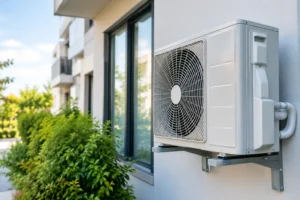
Ask how the proposed capacity was calculated, where the indoor and outdoor units will be located, and how the condensate drain and pipework will be routed. It is sensible to discuss expected use as well. A bedroom used only at night needs a different solution from a south-facing home office occupied throughout the day.
You should also ask about ongoing servicing, warranty conditions and the availability of replacement parts. The cheapest installation can become poor value if access for maintenance has been overlooked or if a minor fault is allowed to reduce performance for months.
For landlords and commercial decision-makers, consistency across several rooms or properties can simplify maintenance and staff training. However, standardising on one system should not mean forcing the same capacity into every space. Consistent equipment and tailored design can work together.
A practical route to lower-carbon cooling
The most effective low-carbon air conditioning project usually starts with reducing avoidable heat gain, then selecting efficient equipment that is correctly sized and controlled. It continues with professional installation, documented commissioning and maintenance that keeps the system operating as intended.
Essex Air Conditioning can assess homes and business premises with those practical details in mind, helping customers choose a solution that balances comfort, budget and long-term running costs. A free survey is the right place to begin, particularly where an older system is becoming unreliable or a room has never cooled evenly.
The best next step is not to chase the newest specification in isolation. Start with how your property is used, when it gets uncomfortable and what is driving the energy demand. That gives you a clearer basis for choosing air conditioning that will remain efficient, dependable and fit for purpose.