A south-facing bedroom that turns stuffy by 9pm, a loft conversion that never seems to cool down, a home office that becomes uncomfortable the moment the sun hits the glass – these are the reasons more people are looking seriously at air conditioning Basildon homes can rely on. It is no longer a luxury reserved for large properties or commercial buildings. For many households, it is a practical upgrade that improves comfort every day.
The key is choosing a system that suits the property, the room layout and the way you actually live. A good installation should feel straightforward from the start, with clear advice, sensible recommendations and no pressure to overspend on capacity you do not need.
Why air conditioning works well in Basildon homes
Homes in Basildon vary widely. Some have compact bedrooms that trap heat, others have open-plan kitchen and living areas where warm air builds quickly, and newer extensions often include large glazed sections that can overheat even when the outside temperature looks manageable. In each case, air conditioning gives you direct control over the room temperature rather than relying on opening windows and hoping for a breeze.
That matters in summer, but it also matters through the rest of the year. Most modern systems provide both cooling and heating, so one unit can help regulate a room in July and take the chill off in February. For homeowners watching running costs, that dual-purpose performance is often one of the main advantages.
There is also the air quality side. A well-chosen system can help reduce dust and improve circulation, which is especially useful in bedrooms, home offices and living spaces where poor airflow becomes noticeable. It will not solve every indoor air problem, but it can make a real difference to how a room feels.
What type of air conditioning is best for a home?
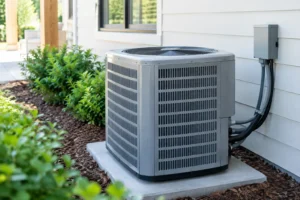
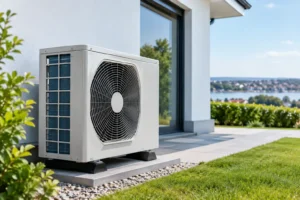
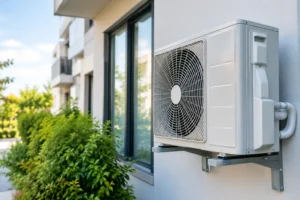
For most residential properties, a wall-mounted split system is the most practical option. It consists of an indoor unit and an outdoor condenser, giving reliable cooling and heating without taking up floor space. These systems are popular because they are efficient, relatively discreet and suitable for everything from single bedrooms to larger family rooms.
If you only need to treat one area, a single split system may be enough. If you want multiple rooms covered, a multi-split arrangement can connect several indoor units to one outdoor unit. That can work well where space outside is limited or where homeowners want a cleaner overall installation.
The right answer depends on the property. A master bedroom has different demands from a loft conversion. An open-plan kitchen-diner needs a different approach again, especially if it gains heat from cooking, appliances and sun through bi-fold doors. This is why a proper survey matters. Room size is only one part of the calculation. Ceiling height, insulation, glazing, orientation and daily use all affect the recommendation.
Air conditioning Basildon homes should not overspecify
One of the most common mistakes is assuming bigger means better. It does not. An oversized unit can cool a room too quickly without properly managing humidity, and that can leave the space feeling cold rather than comfortable. It may also cycle on and off more often than it should, which is not ideal for efficiency or long-term performance.
Undersizing is equally frustrating. A unit that is too small may run constantly, struggle in hot weather and never quite reach the set temperature. Good system design sits in the middle. It gives you enough capacity to perform properly, without paying for more than the room requires.
This is where experienced installers add real value. Rather than offering a one-size-fits-all package, they assess the actual conditions in the property and explain what is suitable and why. That makes the quote easier to trust and the finished system more likely to deliver what you expect.
What to expect from a professional installation
A residential air conditioning installation should be tidy, planned and clearly explained. Before any work starts, you should know where the indoor and outdoor units will sit, how pipework and cabling will be routed, and what level of disruption to expect. In most homes, the work is more straightforward than people imagine, particularly when it is handled by a contractor used to working in occupied properties.
Noise is another concern that often comes up. Modern systems are far quieter than many people expect, especially on low fan settings. In bedrooms and home offices, that matters just as much as cooling performance. The position of both the indoor and outdoor unit needs careful thought so that comfort is improved without creating a nuisance.
Appearance matters too. Few homeowners want equipment that dominates the room. The best installations aim for a clean finish, with units placed where they perform well and still sit neatly within the space. Practicality comes first, but a professional result should look considered rather than added as an afterthought.
Running costs and efficiency
The first question is often the upfront cost, but the long-term running cost deserves equal attention. Modern inverter systems are designed to operate efficiently, adjusting output to maintain temperature rather than switching aggressively between full power and off. That tends to make them more economical and more comfortable in daily use.
How much it costs to run depends on the size of the unit, the room condition, how often you use it and the temperature you set. A shaded bedroom used occasionally will cost less than a large living area used all day. Heating mode also changes the calculation. In some situations, air conditioning can provide an efficient way to warm a room, particularly in spring and autumn when full central heating may feel excessive.
The cheapest unit on paper is not always the most cost-effective choice. Better equipment often gives stronger efficiency, quieter operation and improved reliability over time. For most homeowners, value means balancing installation cost with performance, warranty support and expected lifespan.
Repairs, maintenance and long-term reliability
Like any mechanical system, air conditioning performs best when it is looked after. Filters need cleaning, components need checking and refrigerant issues need professional attention if they arise. Skipping maintenance can reduce efficiency and shorten the life of the system, even if it still appears to be running.
A well-maintained unit is more likely to cool quickly, operate quietly and keep energy use under control. It is also less likely to fail at the point you need it most, usually during the hottest spell of the year. For landlords and homeowners alike, planned servicing is usually far more cost-effective than waiting for a breakdown.
If a system stops performing properly, early signs should not be ignored. Weak airflow, unusual noise, poor temperature control or water leaks all warrant attention. Prompt repairs often prevent a smaller issue becoming a more expensive one.
When air conditioning makes the biggest difference
Not every room needs its own unit. In many homes, installing air conditioning in one or two problem areas delivers most of the benefit. Bedrooms are a common priority because poor sleep in hot weather affects everything else. Home offices come next, especially where computers and direct sun add to the heat load. Open-plan living areas are another strong candidate, particularly in modern homes designed around large family spaces.
There are also cases where the value is less obvious until the system is installed. People with allergies often appreciate improved filtration. Families with young children value stable temperatures overnight. Anyone working from home soon notices the difference between a room that is merely usable and one that stays comfortable throughout the day.
That said, it depends on how the property is used. A guest room may not justify the spend. A main bedroom that overheats every summer probably does. The best decisions are based on daily frustration points, not just square metre figures.
Choosing the right contractor for Basildon homes
A good contractor should make the process easier, not more confusing. You should expect clear advice, a proper survey, a no-obligation quote and honest answers about what is and is not suitable for your property. If a recommendation feels rushed or generic, it is worth asking more questions.
Local experience helps. Homes across Essex share some common challenges, from warm upper floors to extensions with heavy solar gain, but each property still needs an individual approach. A contractor familiar with residential installation will understand both the technical side and the practical concerns homeowners have about noise, appearance, access and budget.
Essex Air Conditioning focuses on that straightforward approach – experienced guidance, premium equipment and practical recommendations that suit the property rather than the sales target. That is what gives homeowners confidence when they are investing in a system they expect to rely on for years.
If your home has one room that is always too hot, or several spaces that never feel quite right, it may be time to stop working around the problem. The right air conditioning system should not feel complicated. It should simply make your home more comfortable, more usable and easier to live in every season.