A tenant rings to say the flat is too hot, the air conditioning is blowing warm air, or water is dripping from the indoor unit. At that point, most landlords ask the same question – do landlords need aircon checks, or is this simply a matter of repairing faults when they appear? The short answer is that it depends on the type of property, the system installed, and whether legal duties such as F-Gas rules apply.
For many residential landlords, there is no single blanket law that says every air conditioning unit must be checked on a fixed schedule in the same way as a gas safety certificate. But that does not mean air conditioning can be ignored. Landlords still have wider obligations to keep installations safe, maintain the property to a proper standard, and respond when equipment provided as part of the tenancy is not working as it should.
Do landlords need aircon checks by law?
In straightforward residential lettings, there is usually no separate statutory certificate for air conditioning. That is where some confusion comes from. Landlords are used to clear compliance duties around gas, electrics, smoke alarms and EPCs, so they expect aircon to sit in the same category. In most cases, it does not.
What matters instead is the landlord’s broader responsibility for safety and repair. If you have supplied air conditioning as part of the property, and it forms part of the fixtures or agreed amenities, you are generally responsible for keeping it in reasonable working order unless the tenancy agreement states something very unusual and enforceable to the contrary.
The position changes if the system falls under F-Gas rules. Certain systems containing fluorinated refrigerants require leak checks at set intervals depending on refrigerant charge and equivalent CO2 tonnes. In those cases, checks are not optional. They are a legal requirement, and records must be kept properly.
Commercial property can also bring added responsibilities. If you let out offices, retail units or mixed-use premises with larger comfort cooling systems, legal maintenance expectations are often stricter in practice because the system is more likely to fall within regulated thresholds or workplace health and safety obligations.
The difference between legal checks and sensible maintenance
A lot of landlords mix up three separate issues: legal compliance checks, routine servicing, and reactive repairs. They are related, but they are not the same.
A legal check is something required by regulation, such as an F-Gas leak inspection where the equipment and refrigerant volume trigger that duty. Routine servicing is not always legally mandatory, but it is often the best way to keep the unit efficient, hygienic and reliable. Reactive repair is what happens after the system has already failed or started causing problems.
From a landlord’s point of view, waiting for breakdowns is rarely the cheapest option. An unserviced air conditioning system can collect dirt, suffer reduced airflow, develop drainage issues, and work harder than necessary to cool the room. That drives up energy use, shortens the life of the equipment and increases the chance of a tenant complaint.
When F-Gas rules may apply
This is the area landlords should pay close attention to. Air conditioning systems that use refrigerant may be subject to F-Gas regulations if the refrigerant charge is above the relevant threshold. The exact requirement depends on the type of refrigerant and its global warming potential, not just the physical size of the unit.
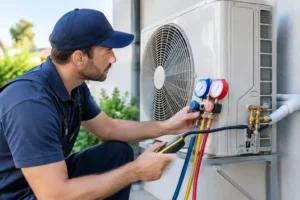
If your system is covered, leak checking must be carried out by properly qualified engineers at the required intervals. If repairs are needed, they must also be handled by competent personnel certified to work with refrigerants. Record keeping matters here too. This is one reason why landlords with larger homes, HMOs, serviced accommodation or commercial lets should never assume that aircon is just another appliance.
For smaller split systems in standard rented homes, the legal trigger may not apply. Even so, the only reliable way to know is to have the equipment assessed properly. Guesswork is risky, especially if the system details are unclear or the installation was carried out years ago by another contractor.
Do landlords need aircon checks in rented homes?
In most rented homes, the practical answer is yes, even if the strict legal answer is not always yes in the same way as gas checks. If air conditioning is installed and included with the property, it should be inspected and serviced at suitable intervals.
That protects more than comfort. It helps identify electrical issues, blocked condensate drains, poor airflow, dirty filters and early signs of refrigerant loss. It also gives you a service record showing that the system has not been neglected. If there is ever a dispute over repair standards, response times or property condition, that record can be valuable.
This is particularly relevant in higher-spec rentals where cooling is part of the expected standard. A landlord offering premium accommodation in places such as Chelmsford, Leigh-on-Sea or Southend-on-Sea is more likely to face tenant dissatisfaction if a supplied cooling system is unreliable during warmer periods.
What about tenant responsibility?
Tenants do have some responsibility to use systems properly. They should operate the controls sensibly, report faults promptly and, where the tenancy agreement allows, carry out basic user-level tasks such as cleaning accessible dust filters. But landlords should be careful not to rely on tenants for maintenance that needs technical skill.
Anything involving refrigerant, electrical testing, internal cleaning of key components, drainage performance or part replacement should sit with a qualified contractor. Expecting tenants to manage more than basic day-to-day use is not realistic and can create bigger problems if something is done incorrectly.
A good middle ground is to set out clearly in the tenancy paperwork what the tenant should do, what the landlord will arrange, and how faults should be reported. That reduces confusion and usually leads to faster action when issues arise.
Why regular servicing makes commercial sense
Even where a landlord is not legally forced into routine servicing, maintenance often saves money over the life of the system. Air conditioning works best when coils are clean, filters are clear, refrigerant levels are correct and moving parts are checked before wear turns into failure.
The trade-off is simple. You pay a smaller, planned cost now to reduce the chance of a larger, unplanned cost later. That does not guarantee you will avoid all repairs, but it improves the odds significantly.
There is also the matter of tenant retention. If you market a property with air conditioning, tenants expect it to work. Repeated faults can damage trust, delay renewals and make the property less attractive compared with similar rentals. For landlords managing multiple units, that can become an avoidable drain on both time and income.
What a proper aircon check should include
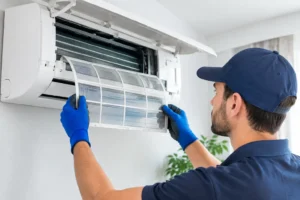
A worthwhile air conditioning check is more than switching the unit on and confirming that cool air comes out. A qualified engineer should assess operating performance, inspect filters and coils, check condensate drainage, review electrical connections, examine visible components for wear and confirm whether refrigerant issues are suspected.
If the system is covered by F-Gas rules, the visit should also include the required leak checking process and documentation. If faults are found, you should receive a clear explanation of what needs attention now and what can be monitored.
That clarity matters. Landlords need straightforward advice, not vague recommendations. If the unit is safe and functioning well, you should know that. If it is inefficient, leaking, or nearing the end of its service life, you should know that too.
The safest approach for landlords
If you are asking do landlords need aircon checks, the sensible answer is to treat air conditioning as part of your property maintenance responsibilities and then confirm whether any legal refrigerant obligations apply to your specific system.
That means arranging inspections with a competent contractor, keeping service records, and not waiting until a tenant reports a complete breakdown. It also means reviewing older installations, because systems that have been in place for years are often the ones with missing paperwork, uncertain specifications or overlooked maintenance.
For landlords, the goal is not to overcomplicate things. It is to stay compliant where the law requires it, keep the equipment reliable, and protect the standard of the property. A local contractor with proper air conditioning experience can usually tell you very quickly whether your unit needs routine servicing, formal leak checks, repairs, or simply a clean bill of health.
If your property includes air conditioning, the best time to ask questions is before the first hot spell, not after the first complaint.