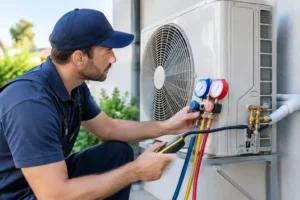
When a shop floor gets stuffy, an office starts overheating, or a server room drifts out of range, air conditioning stops being a background service and becomes an operational problem. This commercial AC maintenance guide is designed for business owners, site managers, and facilities teams who want fewer breakdowns, lower running costs, and a system that performs properly when it matters.
Why commercial AC maintenance matters more than most businesses realise
Commercial air conditioning does not usually fail all at once. More often, performance slips gradually. Energy use rises, airflow weakens, temperatures become less consistent, and small faults start putting strain on larger components. By the time staff complain or customers notice, the system has often been underperforming for weeks or months.
That matters because commercial systems work harder than domestic units. Longer operating hours, higher occupancy, internal heat from lighting and equipment, and changing room usage all place extra demands on the system. In a retail setting, poor cooling can affect customer comfort. In offices, it can impact concentration and productivity. In hospitality, healthcare, and technical environments, the stakes can be even higher.
Regular maintenance is not just about avoiding a callout. It protects efficiency, extends equipment life, helps maintain indoor air quality, and gives you a better chance of spotting issues before they become disruptive or expensive.
A practical commercial AC maintenance guide for day-to-day operation
The best maintenance plans combine two things: routine checks by your team and scheduled servicing by qualified engineers. One does not replace the other. Your on-site team can spot early warning signs, while professional servicing deals with the technical work that keeps the system safe, compliant, and reliable.
For most businesses, a simple monthly visual check is worthwhile. Look for blocked grilles, unusual noises, water leaks around indoor units, signs of poor airflow, and any noticeable change in temperature control. If filters are visibly dirty, the system may already be working harder than it should.
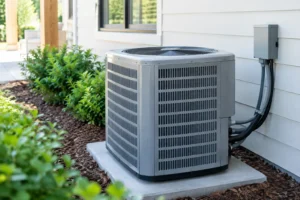
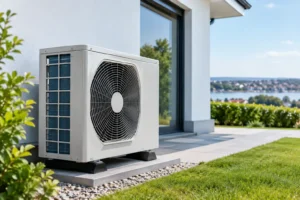
It also helps to keep outdoor units clear. Leaves, litter, stored items, and general debris can restrict airflow and reduce efficiency. In busy commercial settings, outdoor condensers are often overlooked until performance drops. A unit surrounded by clutter cannot reject heat properly, and that increases strain on the whole system.
Inside the building, keep vents unobstructed. Furniture, stock, shelving, and display materials are common causes of airflow problems. In offices and small commercial premises, layout changes happen regularly, but air conditioning is not always considered when desks or storage are moved.
Your controls should be checked too. If time schedules are wrong, the system may be cooling empty spaces or struggling to recover before staff arrive. Poor programming is one of the simplest ways businesses waste energy without realising it.
What a professional maintenance visit should include
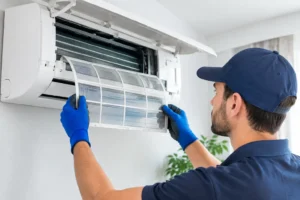
A proper service visit goes further than a quick clean and visual inspection. The engineer should assess overall system condition, test performance, clean key components, and identify wear before it causes failure.
In most commercial environments, this includes cleaning or replacing filters, checking evaporator and condenser coils, inspecting fan motors, testing controls, reviewing condensate drains, checking electrical connections, and measuring operating pressures and temperatures. Refrigerant levels may also need attention if there are signs of leakage or reduced cooling performance.
The exact scope depends on the type of system. A single split system in a small office does not need the same approach as a multi-split or VRF installation serving several zones. Usage matters too. A unit running seasonally in a meeting room will wear differently from one operating every day in a busy retail space.
This is where experience counts. Commercial systems are not maintained properly by guesswork. A capable contractor will tailor the visit to the equipment, the environment, and the demands placed on the building.
How often should commercial AC be serviced?
There is no single answer that suits every site, but most commercial systems should be serviced at least twice a year. That is a sensible starting point for many offices, shops, and light commercial premises.
Higher-use environments may need more frequent visits. If your system runs for long hours, supports temperature-sensitive equipment, serves high-occupancy areas, or operates in dusty conditions, quarterly servicing may be more appropriate. On the other hand, a lightly used system in a small, low-demand space may not require the same frequency, though annual servicing is usually too little for most commercial settings.
Timing matters as well. One service before peak summer demand makes sense, but relying on a single pre-season visit can leave systems neglected for the rest of the year. Commercial maintenance works best when it is planned, not reactive.
Warning signs that should not wait for the next service
Some issues should trigger attention straight away. If cooling output has dropped, electricity bills have climbed unexpectedly, or rooms are taking much longer to reach temperature, the system may already be under strain.
Unusual smells, rattling, buzzing, repeated tripping, visible water leaks, or patchy performance across different areas are also worth investigating promptly. So is short cycling, where the unit starts and stops too frequently. That can point to control issues, sensor faults, airflow restriction, or component wear.
The key point is simple: a system rarely becomes more economical by being left alone once symptoms appear. Delays often turn manageable repairs into larger, more costly faults.
The cost of poor maintenance
Businesses often think of maintenance as a cost to control, but neglected air conditioning usually costs more. Dirty filters and coils reduce efficiency, so the system draws more power for less cooling. Worn parts can damage connected components. Small refrigerant issues can affect performance for long periods before they are noticed. If a failure happens during hot weather, repair lead times and disruption can become far more serious.
There is also the business impact beyond the unit itself. Uncomfortable staff, unhappy customers, interrupted operations, and emergency callouts all carry a real cost. In some settings, downtime is not just inconvenient – it affects revenue directly.
Planned maintenance gives you more control over all of this. It is easier to budget, easier to schedule, and far less disruptive than waiting for the system to fail at the worst possible time.
Compliance, air quality, and the bigger picture
Commercial AC maintenance is not only about cooling performance. It also supports healthier indoor conditions. Dirty filters and neglected components can affect air quality, which matters in enclosed working environments where occupants spend long hours indoors.
There can also be compliance considerations depending on your equipment and premises. Larger systems and certain refrigerants may come with legal responsibilities around inspection, handling, and record keeping. The exact requirements depend on the installation, so it is worth working with a contractor who understands the standards that apply to commercial buildings in the UK.
For landlords, managing agents, and multi-site operators, consistency is especially important. A documented maintenance approach helps show that systems are being looked after properly across the estate, rather than dealt with only when tenants or staff report a problem.
Choosing the right maintenance partner
A maintenance plan is only as good as the company delivering it. Commercial clients need more than a contractor who can turn up and clean filters. You need a team that understands fault prevention, system performance, and the practical realities of keeping a business running.
Look for clear service schedules, transparent reporting, experienced engineers, and straightforward advice. The best contractors do not overcomplicate the process. They explain what needs attention, what can wait, and what is likely to save money over time.
Local support can make a difference too. For businesses across Essex, working with a contractor that knows the area can help with response times, ongoing support, and practical scheduling. Essex Air Conditioning, for example, works with commercial customers who need dependable service without unnecessary friction – from routine maintenance through to repairs and long-term system care.
Making maintenance part of normal business planning
The most effective commercial air conditioning maintenance is not treated as an afterthought. It sits alongside other building responsibilities such as electrical checks, fire safety, and general plant servicing. Once it becomes part of routine planning, it is easier to control costs, reduce surprises, and keep your premises comfortable year-round.
If you manage a commercial property, a good place to start is with a simple review: how old is the system, how heavily is it used, when was it last serviced, and are there already signs of declining performance? Those answers will tell you whether you need a basic maintenance schedule or a more hands-on plan.
A well-maintained system does not draw attention to itself, and that is usually the point. It keeps staff comfortable, protects the environment inside your building, and supports the day-to-day running of the business without becoming a problem you have to chase.