A loft conversion can look finished long before it actually performs properly. Fresh plaster, smart lighting and fitted storage count for very little if the room is too hot in summer, stuffy at night or showing early signs of condensation around roof windows. That is why ventilation for converted lofts needs proper attention from the start, not as an afterthought once problems appear.
Loft spaces behave differently from the rest of the house. They sit directly under the roof, they gain heat quickly, and they often have more insulation packed into tighter construction details. That combination is good for energy efficiency, but it can also trap warmth and moisture if airflow has not been planned properly. In practical terms, that means discomfort for the people using the room and a higher risk of damp, mould and long-term fabric damage.
Why ventilation for converted lofts matters
The biggest mistake homeowners make is assuming a roof window that opens slightly will deal with everything. It helps, but it is not a full ventilation strategy. A converted loft usually needs to manage three separate issues at once – day-to-day fresh air, moisture from normal living, and excess heat build-up.
Fresh air matters because loft rooms are often used as bedrooms, home offices or occasional guest spaces. A room at the top of the house with poor airflow can quickly feel stale. If the space includes an en-suite, moisture control becomes even more important. Showers generate large amounts of humidity in a compact area, and if that moisture is not extracted quickly it will condense on colder surfaces and drift into the surrounding roof structure.
Heat is the other major issue. South-facing roof slopes and large glazed areas can turn a loft into the warmest room in the property. During a heatwave, that can make the space uncomfortable by late morning and difficult to sleep in by evening. In Essex homes, especially where loft conversions are being used all year round, that is often the point where basic background ventilation stops being enough.
What good loft ventilation actually needs to do
A well-ventilated loft conversion should feel comfortable in everyday use without needing windows open all day in January or all night in peak summer. That sounds simple, but getting there means balancing air movement, heat loss, acoustic comfort and the layout of the room.
At the most basic level, the room needs background ventilation. That may come from trickle vents in roof windows or other approved openings, depending on the design. It also needs rapid ventilation, which usually means openable windows that can clear stale air quickly. If there is a bathroom, mechanical extraction is essential rather than optional.
That still does not solve every case. Some loft conversions are naturally harder to ventilate because they have limited window openings, awkward roof geometry, high solar gain or regular occupancy. A bedroom used every night is very different from a hobby room used occasionally. Likewise, a loft office with two people working all day and computers running will need more thought than a spare room used once a month.
Natural ventilation versus mechanical ventilation
Natural ventilation is the simplest starting point. Openable roof windows, dormer windows and trickle vents can work well where the room layout allows good air movement and the users are happy to manage it manually. It keeps upfront costs lower and may be enough for smaller lofts with moderate use.
The drawback is that natural ventilation depends on behaviour and weather. If the room is cold, windy, noisy or exposed to traffic, windows are less likely to be opened often enough. That is when stuffiness and condensation start to creep in. In winter, many households understandably close everything up to keep heating costs under control.
Mechanical ventilation gives you more consistency. A well-specified extractor fan in a loft en-suite removes moisture at source. In some properties, a more complete mechanical system makes sense, especially if the loft is airtight and heavily insulated. Continuous extract or whole-house systems can help maintain steadier air quality without relying entirely on open windows.
There is a trade-off. Mechanical systems involve design, installation cost and maintenance. Fans must be correctly sized, ducted and commissioned. Poorly installed ductwork in a roof void can reduce performance and create noise issues. That is why it pays to treat ventilation as a proper building service, not just a box to tick.
The condensation risk people often miss
Most homeowners think about condensation only when they see water on the glass. In loft conversions, the more serious risk is hidden moisture. Warm indoor air carries water vapour. If that air leaks into colder parts of the roof build-up and hits a surface below dew point, condensation can form out of sight.
Over time, that can affect timber, insulation performance and internal finishes. You may first notice a musty smell, small mould spots near corners, or staining around roof junctions. By then, the problem may have been developing for months.
Good ventilation helps reduce indoor humidity, but it works best alongside proper insulation, vapour control and airtightness detailing. This is where a joined-up approach matters. If one part of the design is weak, another part gets overworked. An extractor fan cannot compensate for poor construction details, and extra insulation alone will not solve a moisture problem.
Overheating in loft conversions
A converted loft often becomes the hottest room in the house because heat rises and the roof is directly exposed to the sun. Roof windows can add useful daylight, but they also increase solar gain. If the room has limited cross-ventilation, that heat can linger well into the evening.
This is one of those areas where it depends on orientation, glazing size, shading and how the room is used. A north-facing loft bedroom may be manageable with natural ventilation and blinds. A south- or west-facing room with multiple roof windows may need a stronger solution.
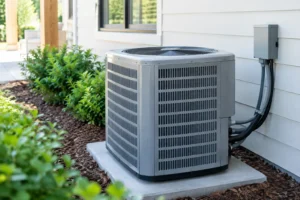
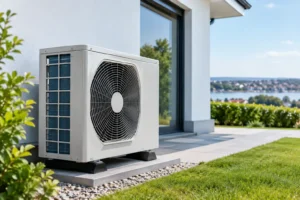
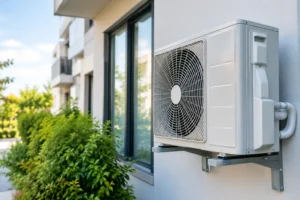
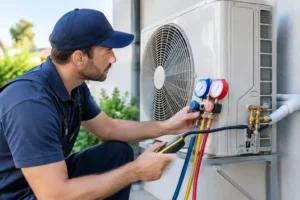
Mechanical cooling is sometimes the most practical answer, especially where the loft is used as a main bedroom or office. For homeowners who want stable comfort rather than seasonal compromise, a professionally installed air conditioning system can manage both temperature and airflow more effectively. That does not replace the need for ventilation, but it can transform how usable the space feels during warmer months.
Common mistakes with ventilation for converted lofts
The first is undersizing extraction in loft bathrooms. Small en-suites may seem minor, but they create concentrated moisture loads. If the fan is weak, noisy or slow to run on, steam escapes into the loft room very quickly.
The second is poor duct routing. Long, twisting duct runs reduce fan performance and can cause condensation within the duct if not insulated correctly. The third is assuming building control approval automatically means ideal real-world comfort. Compliance is important, but practical comfort often requires going beyond the minimum.
Another frequent issue is relying on a single roof window for both purge ventilation and night cooling. It may technically open, but if security concerns, rain exposure or external noise stop people using it, performance on paper is not the same as performance in daily life.
When to get expert advice
If you are still planning your conversion, that is the right time to think about ventilation. Retrofitting solutions later is possible, but it is usually more disruptive and more expensive. Early advice is especially useful if the loft will include a bathroom, if the roof gets strong afternoon sun, or if the room is intended as a full-time bedroom.
For existing loft conversions, warning signs should not be ignored. Repeated condensation, mould around window reveals, lingering odours, poor sleep due to heat, or extractor fans that do very little all point to a system that is not doing enough.
For properties across Essex, where loft conversions are often used to create valuable extra living space without moving house, getting the ventilation right protects both comfort and investment. A dependable contractor will look at the whole picture – airflow, extraction, heat gain and how the room is actually used – rather than recommending a one-size-fits-all fix.
The best loft rooms are the ones you do not have to think about. They stay fresh in winter, manageable in summer and dry all year round. If your loft conversion is on the drawing board or already showing signs of poor airflow, sorting the ventilation properly now will save a great deal of discomfort later.