A new air conditioning system should provide dependable comfort for years, but a warranty only protects you when its conditions are met. This air conditioning warranty explained guide sets out what homeowners, landlords and businesses in Essex should expect, what may be covered, and the practical steps that help keep a valid claim straightforward.
What an air conditioning warranty usually covers
Most new systems come with a manufacturer’s parts warranty. This commonly covers faults caused by a defect in a component or in the manufacturing process. Depending on the manufacturer, cover may apply to major parts such as the compressor, indoor and outdoor fan motors, electronic controls and coils.
The length of cover varies considerably. A system might have a standard warranty period, while certain parts are covered for longer when the equipment is registered correctly after installation. Never assume that all parts have the same level of protection or that the warranty automatically includes every cost of putting a fault right.
A separate installation or workmanship warranty may also be provided by the contractor. This relates to the quality of the installation itself, such as pipework connections, condensate drainage, electrical connections and commissioning. It is different from the manufacturer’s warranty and should be clearly set out in your quotation or handover documents.
For example, if a compressor develops an internal manufacturing fault during the relevant warranty period, the manufacturer may supply a replacement part. If a problem is traced to poor pipework installation, the contractor’s workmanship cover may be the relevant protection. The answer depends on the cause of the fault, not simply the part that has stopped working.
Parts, labour and call-out charges are not always the same
This is where warranty expectations can differ from reality. A parts-only warranty means the component may be supplied without charge, but labour to diagnose the fault, visit the property, fit the part and recommission the system may still be chargeable. Access equipment, parking, out-of-hours attendance and refrigerant may also fall outside standard cover in some circumstances.
Some installers offer labour cover for an agreed period, and some manufacturers have enhanced warranty arrangements when equipment is installed and maintained through approved channels. The detail matters, particularly for commercial premises where a failed system can affect staff, customers, stock or IT equipment.
Before accepting a quotation, ask whether it includes a manufacturer’s parts warranty, an installer workmanship warranty and any labour allowance. A clear answer now avoids an unexpected bill if a fault occurs later.
Air conditioning warranty explained: what can invalidate cover?
Warranties are designed to cover genuine defects, rather than wear, accidental damage or issues caused by unsuitable use. Exact exclusions differ by manufacturer, but several conditions appear regularly.
Incorrect installation is one of the most significant. Air conditioning must be sized, installed, pressure tested, electrically connected and commissioned properly. An undersized or poorly located unit may struggle to perform as expected, while contaminated pipework or an undetected refrigerant leak can lead to system damage. This is why the quality of the original installation matters as much as the brand of equipment.
Lack of maintenance can also affect a claim. Blocked filters restrict airflow, dirty coils reduce efficiency and neglected drains can cause water leaks. These issues may lead to faults that are preventable rather than manufacturing defects. For systems in offices, shops, restaurants or rental properties, documented servicing is especially useful because it provides a record of responsible system care.
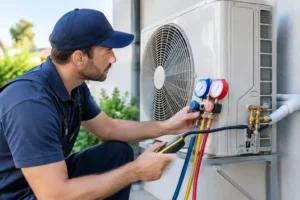
Unauthorised repairs or alterations are another risk. If someone without suitable training modifies wiring, tampers with refrigerant pipework or fits incompatible parts, the manufacturer may refuse to cover a later failure. Refrigerant work must be carried out by appropriately qualified professionals.
Other common exclusions include accidental or malicious damage, storm or flood damage, power-supply problems, cosmetic wear and faults caused by operating the unit outside its intended conditions. A warranty is not an insurance policy, so it will not normally cover every event that could damage the equipment.
Registration and paperwork matter more than people expect
Many manufacturers require the unit to be registered within a set period after installation to activate an extended warranty. Missing that deadline may leave you with only the basic level of cover. Registration requirements vary, so check who is responsible for completing it and ask for confirmation once it has been done.
Keep your quotation, invoice, model and serial numbers, commissioning paperwork and warranty certificate together. If maintenance is a condition of cover, retain service reports as well. A few organised records can make the difference between a quick claim and a lengthy investigation into when the equipment was installed or serviced.
Landlords and facilities managers should store these documents against the property or asset record rather than relying on an individual member of staff. This is particularly helpful when a tenant changes, a site manager moves on or several systems are installed across one building.
Maintenance protects performance as well as warranty cover
Routine maintenance is not just a box to tick for warranty purposes. It helps the system cool and heat efficiently, improves indoor air quality and allows developing problems to be found before they become disruptive failures.
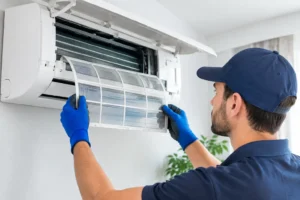
A professional service will normally assess the condition and operation of the system, clean key components where required, check filters and drainage, inspect electrical connections and confirm that the unit is performing correctly. The required frequency depends on how the system is used. A lightly used home unit may need different attention from a commercial system running throughout the working day.
Users can help between visits by keeping indoor unit filters clean in line with the manufacturer guidance, ensuring outdoor units are not blocked by leaves or stored items, and reporting unusual noise, reduced cooling, water leaks or error codes promptly. Do not attempt to investigate refrigerant issues yourself.
For businesses, planned maintenance also offers a clearer budget and less downtime. A scheduled visit is usually far easier to manage than an urgent repair on the hottest day of the year.
What to do when your system develops a fault
If your air conditioning is still within its warranty period, start by checking the paperwork before arranging repairs. Note the model, serial number, installation date and any error message displayed. Then contact the installer or the party specified in the warranty terms. They can advise whether an inspection is required and whether the fault is likely to fall under manufacturer or workmanship cover.
Avoid asking a third party to dismantle or alter the unit before the warranty route has been considered. It can complicate fault diagnosis and may affect eligibility for a claim. If the system is leaking water, making concerning electrical noises or tripping power, switch it off and arrange professional assistance.
A good contractor will explain the findings in plain terms: what has failed, why it appears to have failed, what is covered, and what costs, if any, sit outside the warranty. That transparency is particularly valuable where a parts claim is accepted but labour or an unrelated repair is not.
Warranty cover and your consumer rights
A manufacturer’s warranty is an additional promise. It does not remove your statutory rights when you purchase goods and services. In the UK, systems and installation work should be supplied with reasonable care and skill and be of satisfactory quality and fit for purpose where applicable.
These rights can be relevant if a system fails early because it was not installed correctly or was not as described. The right route depends on the circumstances, the contract and the nature of the fault. Keep all communications and documentation, and raise concerns promptly with the business that supplied or installed the system.
Choose installation with long-term support in mind
The best time to understand warranty cover is before a new system is fitted. Ask direct questions, read the terms and choose an experienced contractor that can correctly design, install, commission and maintain the equipment. At Essex Air Conditioning, clear advice and ongoing support are central to helping local customers protect their investment.
A warranty is most valuable when it is backed by proper installation, regular care and records that are easy to find. Get those foundations right, and your air conditioning system has the best chance of delivering reliable comfort long after the installation day.