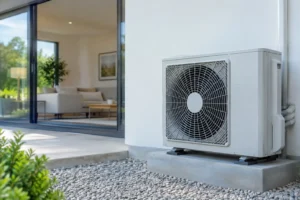
When an air conditioning system starts blowing warm air on a humid afternoon or struggles to keep a workspace comfortable, the problem rarely appears overnight. In most cases, performance has been slipping for months. That is why the benefits of regular AC servicing are not just about maintenance for its own sake. They are about avoiding disruption, controlling costs and keeping your system working properly when you need it most.
For homeowners, that means consistent comfort through warmer spells and fewer unpleasant surprises. For landlords and businesses, it means protecting equipment, reducing call-outs and keeping occupants, staff or customers comfortable. A well-maintained unit is usually cheaper to run, less likely to fail and more likely to deliver the performance you paid for in the first place.
Why regular servicing matters more than most people expect
Air conditioning systems are under constant strain. Filters collect dust, coils become dirty, condensate drains can block, electrical connections loosen and refrigerant issues may develop gradually. None of these problems necessarily stop a system immediately, which is why they often go unnoticed until efficiency drops or a fault becomes expensive.
Regular servicing gives a technician the chance to spot wear early and correct small issues before they turn into larger repairs. That matters in homes, but it is even more important in offices, retail spaces, clinics and other commercial settings where downtime affects more than comfort. If a unit fails during a busy trading period or in the middle of a warm week, the cost is not limited to the repair itself.
The main benefits of regular AC servicing
Lower running costs
One of the clearest benefits of regular AC servicing is improved efficiency. When filters are clogged or coils are coated in dirt, the system has to work harder to move air and maintain the set temperature. That extra effort uses more electricity and puts more strain on key components.
A service helps restore normal performance. Clean components, checked refrigerant levels and properly functioning fans all contribute to smoother operation. The savings may not feel dramatic in a single week, but over a season or across a full year they can be significant, especially for businesses running multiple units.
Fewer breakdowns
Emergency call-outs are rarely convenient. They tend to happen when the system is working hardest and when comfort matters most. Servicing reduces that risk because it is preventative rather than reactive.
An experienced engineer can identify signs of wear, unusual noise, weak airflow, drainage problems or electrical faults before they cause a complete shutdown. Not every fault can be predicted, and older systems can still fail without much warning, but regular checks improve your chances of catching problems early.
Longer system lifespan
Air conditioning is a sizeable investment, whether it is a single wall-mounted unit at home or a larger commercial setup. Most owners want to delay replacement for as long as possible without compromising reliability.
Routine servicing supports that goal. Systems that run under less strain generally experience less wear on motors, fans and compressors. Over time, that can help extend the usable life of the equipment. It will not make an ageing unit last forever, and there comes a point where replacement is the sensible option, but maintenance usually gives you more value from the system you already have.
Better airflow and more reliable comfort
If certain rooms are taking longer to cool or temperatures feel inconsistent, servicing can often help. Dirty filters, blocked coils and reduced airflow all affect how evenly a system performs.
After a proper service, many customers notice that the air feels cleaner, the temperature stabilises more quickly and the system reaches the desired setting with less effort. In a home, that means better day-to-day comfort. In a business, it can mean a more pleasant environment for staff, customers or tenants.
Benefits of regular AC servicing for air quality
Air conditioning does more than cool a space. It also affects the quality of the air moving through it. If filters and internal components are dirty, dust and other particles can build up within the system and circulate back into the room.
Servicing helps keep filters and airflow pathways in better condition. That can support cleaner indoor air, which is particularly valuable in spaces where people are working long hours or where comfort and cleanliness are closely linked. It is not a substitute for good ventilation planning, and some environments need more specialist air quality measures, but regular maintenance remains an important part of keeping indoor conditions healthy and comfortable.
A quieter, less stressed system
Air conditioning units often become noisier before they fail. Buzzing, rattling, vibration or unusually loud fan noise may point to loose parts, dirt build-up or wear within the system. These issues are not just irritating. They can be early warnings that the unit is under strain.
Servicing can reduce unnecessary noise by correcting minor faults and helping the system run as intended. That matters in bedrooms, living spaces, meeting rooms and customer-facing environments where background noise quickly becomes a nuisance.
Protection for warranties and compliance
Some manufacturers require ongoing maintenance to support warranty terms. If servicing is missed and a major part fails, you may find that a claim is more complicated than expected. Keeping a documented service history can make a real difference.
For commercial premises, maintenance can also support wider responsibilities around building upkeep and equipment performance. The exact requirement depends on the type of site and system, but planned servicing is generally the safer approach than waiting for faults to appear.
What happens during a proper AC service?
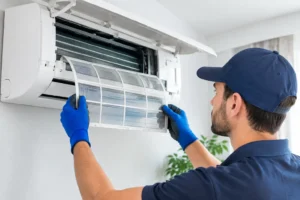
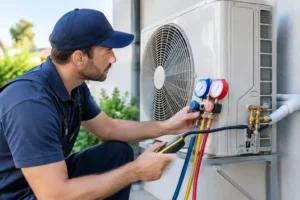
A professional service should be more than a quick visual check. The engineer will typically inspect filters, coils, fans, electrics, controls, condensate drainage and general unit condition. Performance checks may also be carried out to make sure the system is cooling effectively and operating safely.
The exact scope depends on the type of unit and how heavily it is used. A domestic split system in a spare room will not have the same demands as a commercial unit running for long hours every day. That is why service frequency should be based on real usage, not guesswork.
For many homes, an annual service is a sensible baseline. For offices, shops, salons, server rooms or other commercial spaces, more frequent maintenance may be the better option. It depends on occupancy, run time, environment and the consequences of downtime.
When to book servicing
The best time to arrange servicing is before you urgently need cooling. Spring is often ideal because it gives your system the best chance of heading into warmer weather in good condition. Waiting until the first hot spell usually means you are acting after performance has already dipped.
That said, there is still value in servicing at any point in the year. If your unit smells musty, makes more noise than usual, leaks water, struggles to cool or causes energy bills to rise without explanation, those are signs it should be checked sooner rather than later.
In areas across Essex, where both homes and businesses increasingly rely on air conditioning for everyday comfort, delaying maintenance often creates avoidable cost. A planned visit is usually simpler and more cost-effective than an urgent repair during peak demand.
Is regular servicing always worth it?
In most cases, yes, but there are some trade-offs. If a system is very old, unreliable and nearing replacement, repeated servicing and repairs may offer diminishing returns. In that situation, a professional assessment can help you decide whether it is still sensible to maintain the current unit or move towards a more efficient replacement.
The same applies if a system was undersized or poorly installed from the start. Servicing will improve condition and performance, but it cannot fully correct a design problem. Good maintenance works best when it supports a system that is basically suitable for the space.
Still, for the vast majority of functioning systems, regular servicing remains the practical choice. It protects performance, reduces avoidable faults and helps you get better value from your equipment.
A smarter way to look after your system
Air conditioning should not be something you only think about when it stops working. The real value comes from keeping it efficient, reliable and ready to perform without drama. That is what regular servicing delivers.
Whether you are looking after a home system, a rental property or a commercial site, a planned maintenance approach is usually the simplest way to avoid disruption and control long-term costs. If your unit has not been checked in a while, booking a professional service now is often the easiest step you can take to protect comfort later.