A failing air conditioning unit rarely chooses a convenient time to stop working. It may struggle through a hot spell, become increasingly expensive to run, or fail just as your home office, shop or workplace needs reliable cooling. Knowing how to budget aircon replacement before that point puts you in control of the decision, rather than forcing a rushed choice.
The right budget is not simply the price of a new indoor unit. It should cover a system that suits the property, professional installation, any necessary electrical or pipework alterations, and a sensible allowance for the unexpected. For homeowners and businesses in Essex, a free site survey is the most reliable starting point because access, building layout and existing equipment all affect the final cost.
Start with the reason for replacement
Before setting a figure, establish whether replacement is genuinely the better value option. A repair can be sensible when the fault is isolated, parts are readily available and the unit is otherwise performing efficiently. However, repeated callouts, declining cooling output, rising electricity use or an older system using outdated refrigerant can make continued repairs poor value.
For commercial premises, also consider the operational cost of downtime. A unit that cannot keep staff, customers, IT equipment or stock at a suitable temperature can cost more than the repair invoice suggests. Landlords should factor in tenant comfort and the risk of an emergency replacement between lets.
Ask for an honest assessment of the present system’s condition, likely repair cost and expected remaining service life. This gives you a baseline for comparing repair against replacement. The cheapest immediate option is not always the lower-cost decision over the next few years.
How to budget aircon replacement properly
A useful replacement budget has three layers: the essential installation cost, the work required to make the system fit the building, and a contingency for site-specific issues. Quoting a single figure without considering all three can leave unpleasant surprises later.
1. Budget for the right system capacity
Air conditioners are sized according to the room or area they need to cool and, where required, heat. A small bedroom needs a very different solution from an open-plan living area, restaurant, server room or office floor.
Do not choose capacity by floor area alone. Ceiling height, window size, insulation, the direction the room faces, heat-producing equipment and occupancy all matter. An undersized unit may run continuously and still leave the space uncomfortable. An oversized unit can cost more to buy than necessary and may not manage humidity as effectively.
A professional survey should recommend the appropriate capacity and configuration. This may be a single split system for one room, a multi-split system serving several rooms from one outdoor unit, or a larger commercial solution. The number of indoor units has a direct effect on equipment and installation costs.
2. Include installation, not just equipment
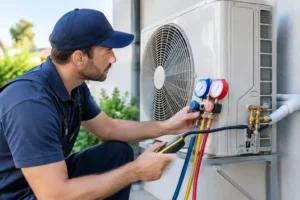
The advertised price of an air conditioning unit is only one part of the project. Proper installation typically includes the indoor and outdoor units, refrigerant pipework, condensate drainage, electrical connections, mounting, commissioning and testing.
The layout of the property can change the cost considerably. A straightforward installation with a nearby outdoor wall and easy access will usually require less labour and materials than one involving a long pipe route, internal ceiling work, difficult external access or several separate rooms.
In homes, discuss where condensate water will drain and where the outdoor unit can sit without affecting access, appearance or neighbours. In commercial buildings, placement may involve roof access, plant areas, landlord permissions, working-hours restrictions or additional safety measures. These details should be identified before you commit to a budget.
3. Allow for electrical and building work
Some replacements can use existing electrical supplies and pipe routes, but this should never be assumed. Older installations may require an updated isolator, dedicated electrical work, new trunking or replacement refrigerant pipework. If the old system has been poorly installed or has suffered a leak, bringing the new installation up to standard may involve additional work.
It is also worth considering decorative making-good. Removing an old indoor unit can leave marks, redundant holes or a need for minor redecoration. This is usually a manageable cost, but including it in the plan avoids treating the installation as finished before the room looks finished.
4. Keep a realistic contingency
A contingency is not an excuse for vague pricing. It is a reserve for genuine unknowns, especially where the condition of existing pipework, electrical circuits or concealed routes cannot be fully confirmed until work begins.
For a simple, surveyed domestic replacement, the contingency may be modest. For a larger commercial project, an older building or a multi-room installation, a larger allowance is sensible. Ask the contractor to explain which assumptions are included in the quote and what circumstances could create an additional charge. Clear scope matters more than an artificially low starting price.
Compare quotes on scope and long-term value
When comparing replacement quotes, make sure each proposal covers the same type of system and the same installation standard. One quote may appear lower because it excludes electrical work, condensate pumps, access equipment, removal of old equipment or commissioning.
A clear quote should identify the proposed equipment, the number and location of indoor units, the main installation work, warranty arrangements and whether VAT is included. It should also state what is excluded. This lets you compare like for like instead of choosing based on a headline figure.
Premium equipment can cost more upfront, but it may provide better energy efficiency, quieter operation, stronger warranty support and more dependable performance. That does not mean the highest-priced model is always right. The best choice depends on how often the system will run, the importance of low noise, the demands of the room and your expected length of ownership.
For a lightly used guest room, a straightforward, efficient system may be entirely appropriate. For a busy office or a retail space with long operating hours, energy efficiency and reliability can justify a higher initial spend.
Calculate the running-cost case
Replacement budgeting should include ownership costs, not just installation day. Modern inverter air conditioning systems adjust their output to match demand, which can make them significantly more efficient than older fixed-output equipment. If your current unit is struggling or running constantly, a replacement may reduce electricity use while delivering more consistent comfort.
To assess the likely value, review electricity bills, approximate operating hours and recent repair spending. Then consider whether the new system will provide heating as well as cooling. An air-to-air heat pump can offer efficient warmth in suitable rooms during cooler months, potentially changing how you use other heating sources.
Be cautious with exact savings promises. Energy use depends on settings, insulation, weather, room use and maintenance. A good contractor can explain likely efficiency differences, but no one can accurately predict every household or business’s future energy bill.
Plan the timing of the replacement
Replacing air conditioning before a complete failure gives you more choice. You can arrange surveys, compare properly scoped quotes and schedule installation around your household or business operations. For commercial sites, planned work can often be arranged to minimise disruption to staff and customers.
If your system is still operational but unreliable, begin budgeting now rather than waiting for the first hot week. You may also be able to group related work together, such as replacing several ageing units or arranging electrical upgrades at the same time. This can be more practical than addressing each issue separately.
Businesses should consider maintenance records when planning capital expenditure. Frequent faults, declining performance and expensive parts are useful evidence that a replacement budget should be brought forward. Homeowners can take the same approach by recording callouts and repairs rather than relying on memory.
Protect the investment after installation
A replacement system should be maintained from the outset. Filters need cleaning, coils require inspection and refrigerant performance should be checked by qualified technicians. Regular maintenance helps preserve efficiency, identifies problems early and supports the equipment warranty requirements.
Build maintenance into the annual cost of ownership, particularly for systems that run daily or serve customer-facing spaces. It is a small, planned expense compared with the disruption of a neglected unit failing when it is needed most.
Essex Air Conditioning can assess your existing installation and provide a clear, no-obligation replacement quote based on your property rather than a generic estimate. A well-planned replacement is not about spending more than necessary. It is about paying once for a system that is correctly specified, professionally installed and ready to provide dependable comfort for years to come.