When a bedroom turns stuffy every summer, or a home office becomes hard work by mid-afternoon, most people realise the same thing at once – not all cooling options are equal. If you are working out how to choose home air conditioning, the right answer is rarely the cheapest unit or the one with the strongest sales pitch. It is the system that suits your property, your routine and your budget over the long term.
A good air conditioning system should do more than blast cold air. It should cool the right rooms properly, run efficiently, stay reasonably quiet and give you dependable performance year after year. That means choosing well at the start matters just as much as the installation itself.
How to choose home air conditioning without overpaying
The first step is to be clear about what problem you are trying to solve. Some homeowners want to cool one bedroom for better sleep. Others need a lounge and kitchen kept comfortable through hot afternoons, or a garden room that is unusable in summer without climate control. A landlord may want a reliable, low-maintenance system for tenants. Those are different jobs, and they do not all need the same type of unit.
This is where many buying decisions go wrong. People often start with brand names or online prices before looking at room size, heat gain and how the space is actually used. A small box room on the shaded side of the house has very different demands from a large open-plan area with bifold doors facing the sun.
In practical terms, you should think about four things first: which rooms need cooling, how often the system will run, what level of finish you expect, and what you are comfortable spending both upfront and on running costs. Once those are clear, the shortlist becomes much easier.
Choose the right system type for your home
For most UK homes, the main choice is between a portable unit and a fixed split air conditioning system. On paper, a portable unit can look attractive because the upfront cost is lower and there is no installation work. In reality, they are often noisier, less efficient and less effective, especially in larger rooms. They can help in a short-term situation, but they are rarely the best long-term answer for comfort.
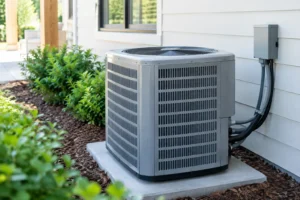
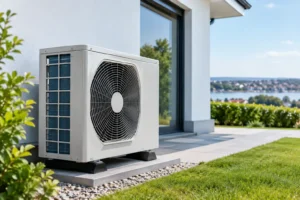
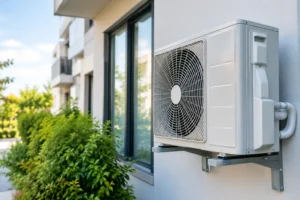
A fixed split system is the option most homeowners are happiest with once it is installed. It uses an indoor unit connected to an outdoor condenser, which allows it to cool rooms more effectively and more quietly than a portable model. Many systems also provide heating, which can make them useful well beyond the warmer months.
If you want to cool a single room, a wall-mounted split unit is often the most sensible choice. If you need several rooms cooled, a multi-split system may be better, allowing multiple indoor units to connect to one outdoor unit. That can be neater externally, but it is not always the cheapest route. Sometimes separate single systems offer better value and easier future maintenance. It depends on the property layout and how independently you want each room controlled.
Single-room or whole-home cooling?
Not every home needs full coverage. In many houses, cooling the main bedroom and the living space covers most of the discomfort. In others, particularly newer homes with good insulation or loft conversions that trap heat, a more tailored setup is needed.
The key is not to assume more is always better. Installing units in every room can raise the project cost quickly without much extra benefit if those rooms are rarely used during the hottest parts of the day.
Get the sizing right
System size is one of the most important parts of how to choose home air conditioning. Too small, and the unit struggles to reach temperature and runs harder for longer. Too large, and you can end up paying more than necessary for equipment that cycles inefficiently and does not suit the room properly.
Proper sizing is not based on floor area alone. Ceiling height matters. So do the number of windows, the direction the room faces, the insulation level, whether the space has lots of electrical equipment, and how many people typically use it. A kitchen-diner with cooking appliances and afternoon sun will need a different approach from a similar-sized sitting room.
This is why a proper survey adds real value. An experienced installer will assess the property rather than guessing from measurements alone. For homes in Essex, where some properties are older and others are newer, highly glazed builds, the difference in cooling demand can be significant even between houses on the same road.
Look beyond the purchase price
It is reasonable to have a budget in mind, but the cheapest quote is not automatically the best value. Air conditioning is a system you expect to live with for years. If a lower price means weaker equipment, poor positioning or rushed installation, it often costs more later in repairs, inefficiency or disappointing performance.
A better way to judge value is to consider the full picture. What is the expected running cost? Is the unit energy efficient? Is it quiet enough for a bedroom? Does the installer include a proper survey and clear advice, or are they simply pricing the quickest option?
Premium equipment generally costs more upfront, but the difference can be worthwhile if it gives you lower energy use, better reliability and quieter operation. For many homeowners, that day-to-day benefit matters more than a saving at the point of purchase.
Efficiency and running costs
Modern systems vary considerably in efficiency. If the unit is likely to run regularly through summer, and possibly for heating in spring and autumn, energy performance should be a major part of your decision.
An efficient system will usually cost more to buy than an entry-level model, but that gap can narrow over time. It is especially worth considering if you work from home, have south-facing rooms or want regular overnight use in bedrooms.
Noise matters more than many people expect
Noise is often overlooked until the system is already installed. In a lounge, a little background fan sound may be fine. In a bedroom, it can become a constant irritation if the unit is not suitable for night use.
Both indoor and outdoor noise levels matter. A well-selected split system should be relatively discreet, but performance varies between models. Placement also makes a difference. Even a good unit can become intrusive if it is poorly positioned above a bed or close to a neighbouring boundary.
If quiet operation is a priority, say so early. It is much easier to choose around that requirement than to fix disappointment afterwards.
Think about appearance and placement
Most homeowners want air conditioning to work well without dominating the room. That means the visual side of the installation counts too. Wall-mounted units are common because they are effective and practical, but there are choices in size, finish and positioning.
A good installer will balance performance with appearance. The best location for airflow is not always the most obvious one, and pipe runs, condensate drainage and outdoor unit placement all need planning. In some homes, especially extensions, loft conversions and garden rooms, careful design makes the difference between an installation that blends in and one that feels like an afterthought.
Do not ignore maintenance and aftercare
Even the best air conditioning system needs servicing. Filters need cleaning, components need checking and refrigerant performance needs to be monitored. If maintenance is neglected, efficiency drops and faults become more likely.
When choosing a system, ask yourself a simple question: will this be easy to maintain properly? A good contractor should not disappear once the unit is on the wall. Ongoing support matters, especially if you are investing in multiple rooms or using the system heavily.
This is one reason many homeowners prefer working with an established local contractor rather than buying on price alone from a distant supplier. Clear aftercare, realistic advice and responsive support are worth having.
What a proper survey should tell you
A professional survey should do more than confirm that a unit can be fitted. It should help you understand the most suitable system, the right capacity, likely installation positions and any limits of the property. You should also come away with a clear view of costs, expected performance and what trade-offs you are making.
For example, if you want the lowest possible upfront price, you may need to accept more basic aesthetics or fewer control options. If you want the quietest and most discreet result, the budget may need to stretch a little further. Honest advice on those trade-offs is a good sign.
A reputable contractor will explain what fits your home best, not simply what is easiest to sell. That is the standard Essex Air Conditioning works to, because getting the specification right from the start saves customers time, money and frustration later.
Choosing home air conditioning is really about choosing comfort that fits your home properly. If you start with the rooms that matter most, insist on correct sizing and pay attention to efficiency, noise and installation quality, you are far more likely to end up with a system you are pleased you invested in every warm day that follows.