A meeting room that is too warm at 10am, a reception area with an unpleasant smell, or staff adjusting thermostats all day are usually early signs of an air conditioning system being neglected. Knowing how to maintain office aircon helps protect staff comfort, avoids disruptive breakdowns and keeps energy costs under control.
For offices in Essex, air conditioning often works hardest during warm spells, when a fault is least convenient. The sensible approach is not to wait for the system to stop cooling. A combination of simple in-house checks and planned professional maintenance gives your equipment the best chance of performing reliably throughout the year.
Why regular office aircon maintenance pays off
Office air conditioning is more than a comfort feature. It can affect concentration, customer experience and the usability of meeting rooms, server areas and open-plan workspaces. When filters become blocked or airflow is restricted, the system has to work harder to achieve the set temperature. That can increase electricity use and place unnecessary strain on key components.
Regular maintenance also helps identify small issues before they become expensive repairs. A loose electrical connection, a partially blocked condensate drain or a refrigerant problem may not stop the unit immediately, but each can reduce performance and eventually cause a breakdown.
There is a balance to strike. Servicing too infrequently can lead to avoidable faults, while a maintenance schedule that does not reflect the building’s use may create unnecessary disruption. A small office with light weekday use has different needs from a busy salon, retail unit or office with equipment generating heat all day.
How to maintain office aircon between service visits
Your team does not need to dismantle equipment or handle refrigerant to keep an eye on the system. In fact, those tasks should be left to qualified technicians. However, a few straightforward routine checks can prevent common problems from developing unnoticed.
Keep indoor units clear and unobstructed
Air needs a clear path into and out of every indoor unit. Avoid placing tall cupboards, stacked boxes, display boards or furniture directly beneath or in front of wall-mounted units. Check that supply vents and return grilles have not been covered during office rearrangements.
Poor airflow can make one area feel warm while another becomes uncomfortably cold. It may also encourage people to lower the thermostat excessively, which wastes energy without resolving the underlying restriction.
Check filters and arrange cleaning when needed
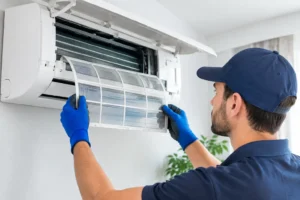
Filters collect airborne dust, fibres and other particles. In a typical office, they should be inspected regularly, especially after building work, decorating or a period of high pollen. A visibly dirty filter restricts airflow and can contribute to odours and reduced cooling.
Some filters can be cleaned in line with the manufacturer’s instructions, while others need replacement. If your system has multiple indoor units, ensure each one is included. Do not use a damaged or damp filter, and do not force a filter back into place if it does not fit correctly.
Watch for warning signs
Encourage staff or a designated facilities contact to report changes early. A short note of the room, unit and time the problem occurs will help a technician diagnose the issue more efficiently.
Common warning signs include:
- weaker airflow or rooms taking much longer to cool
- water dripping from an indoor unit or staining on nearby walls or ceilings
- unusual rattling, buzzing or grinding noises
- musty smells when the unit starts
- repeated error codes, tripped electrics or a unit that switches itself off
A system may still be running when these signs appear, but that does not mean it is operating properly. Continuing to run a leaking or noisy unit can turn a minor repair into a more substantial one.
Use sensible temperature settings
Setting the air conditioning to the lowest possible temperature will not cool a room faster. It simply makes the unit run for longer and may cause discomfort for staff seated close to indoor units. For many offices, a consistent setting around 21-23°C provides a practical starting point, with adjustments based on occupancy, sunlight and the nature of the work.
Keep doors and windows closed when cooling is in use where possible. If warm outside air is constantly entering the space, the system will struggle to maintain the desired temperature. Blinds or solar control measures can also reduce the load on units in south-facing rooms.
What professional aircon servicing should cover
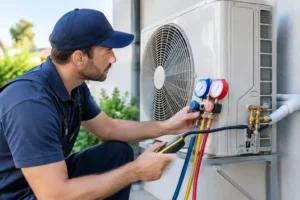
A planned maintenance visit is where the more technical work takes place. A qualified engineer can inspect the condition, performance and safety of the system without guessing at the cause of poor cooling.
The exact work depends on the type and age of your equipment, but a thorough service commonly includes cleaning indoor and outdoor components, checking filters and airflow, inspecting electrical connections, clearing condensate drains, testing operating pressures and checking for signs of refrigerant leakage. The engineer should also assess controls, temperature response and any fault history.
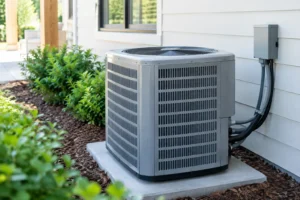
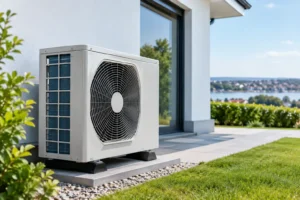
Outdoor condensers deserve particular attention. Leaves, litter and dust can collect around the unit, while nearby vegetation may restrict airflow. In coastal parts of Essex, salt in the air can also contribute to corrosion over time. Keeping the surrounding area clear is helpful, but cleaning delicate fins and electrical parts requires the correct tools and experience.
A professional visit is also the right time to review whether the system still suits the office. If the business has expanded, partitions have been added or a room is now used for high-heat equipment, the original design may no longer match the cooling demand. Maintenance can preserve a system, but it cannot fully compensate for equipment that has become undersized for the space.
Set a maintenance schedule around your office use
For most offices, planned servicing at least once a year is a sensible baseline. Systems with heavier use, several indoor units, high footfall or critical cooling requirements may benefit from two visits a year. A pre-summer check is particularly useful because it gives time to address faults before the busiest cooling period.
Rather than treating maintenance as an isolated appointment, keep a simple service record. Note service dates, repairs, reported faults, filter changes and any areas that regularly feel too warm or cold. This creates a clearer picture of recurring problems and helps with budgeting for repairs or future replacement.
It is also worth deciding who has responsibility for reporting issues. In a small office, this may be the business owner or office manager. In a larger premises, a facilities contact can check units after weekends, oversee access for engineers and make sure staff know not to alter controls without a reason.
Avoid the maintenance mistakes that shorten system life
The most common mistake is waiting until the unit fails completely. By then, comfort has already been affected and urgent repair availability may be limited during hot weather. Planned maintenance is usually easier to schedule around staff and customers.
Another mistake is repeatedly changing temperatures or using different settings across nearby units without understanding how they interact. This can create conflicting demands and uneven conditions. Agree a reasonable temperature policy, then investigate persistent hot or cold spots rather than continually adjusting the controls.
Finally, do not rely on a quick surface clean as a substitute for servicing. Wiping the casing improves appearance, but it does not check drainage, electrics, refrigerant performance or internal hygiene. These are the areas that influence reliability and safe operation.
When to call an air conditioning engineer
Arrange a professional inspection promptly if there is a leak, burning smell, repeated electrical trip, loud mechanical noise or a sudden loss of cooling. Switch the unit off if it appears unsafe, and avoid attempting a repair yourself.
For businesses that want dependable year-round performance, Essex Air Conditioning can provide planned maintenance that suits the equipment and demands of the workplace. Regular expert attention keeps small concerns from becoming inconvenient interruptions.
A well-maintained office air conditioning system should fade into the background: rooms stay comfortable, staff can focus and the equipment works when it is needed most. That is the real value of giving maintenance the same attention as any other essential part of your premises.