A hot upstairs bedroom at midnight, a stuffy garden office by lunch, or a retail unit that never quite cools down – these are usually the moments when people start comparing portable vs fixed air conditioning. The right choice depends on more than budget alone. It comes down to how often you need cooling, how much space you need to cover, and whether you want a short-term fix or a system that genuinely improves comfort day after day.
For some properties, a portable unit can be a practical stopgap. For others, fixed air conditioning is the only option that will deliver reliable performance, lower running costs over time, and a better experience for everyone using the space. Knowing where each option works well can save you money and frustration.
Portable vs fixed air conditioning: what is the difference?
A portable air conditioner is a standalone unit that sits on the floor and vents warm air through a hose, usually through a window or door opening. It can be moved from one room to another, although in practice it is rarely as convenient as people expect once the hose, power supply and window kit are involved.
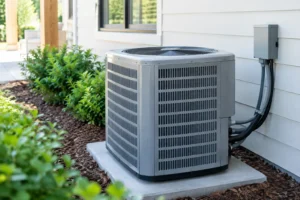
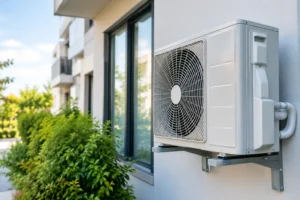
Fixed air conditioning, sometimes called wall-mounted or split-system air conditioning, uses an indoor unit connected to an outdoor condenser. It is professionally installed and designed to cool a room or multiple areas efficiently and consistently. Many fixed systems also provide heating, which makes them useful throughout the year rather than only during hot spells.
The basic difference is simple. Portable units prioritise flexibility and lower upfront cost. Fixed systems prioritise performance, efficiency, quieter operation and long-term value.
When a portable air conditioner makes sense
Portable units suit short-term or occasional use. If you are renting, cannot currently install a permanent system, or only need to cool a room during a brief warm period, they can be a reasonable option.
They are often chosen for spare bedrooms, temporary offices, small workshops, or situations where a building is due to be renovated and no one wants to invest in a permanent installation yet. A landlord might also use one as an interim measure between longer-term improvement plans.
That said, expectations need to be realistic. A portable unit can take the edge off the heat, but it will not usually deliver the same clean, even cooling as a fixed system. You will also need somewhere suitable for the exhaust hose, and that can make the setup awkward in some homes and business premises.
Noise is another factor. Because the main working parts are inside the room, portable units are typically louder than fixed systems. In a bedroom, meeting room or treatment space, that can quickly become a drawback.
Why fixed air conditioning is often the better long-term choice
If you want dependable cooling for a room you use regularly, fixed air conditioning is generally the stronger investment. It is designed to cool the space properly, maintain a stable temperature and run more efficiently.
In homes, this often matters most in bedrooms, loft conversions, kitchens and home offices. In commercial settings, it matters even more. Staff comfort, customer experience, equipment protection and consistent working conditions all benefit from a properly installed fixed system.
A well-specified fixed unit also tends to look neater, sound quieter and work harder without the constant compromises that come with portable equipment. Instead of a bulky appliance on the floor and a hose running to a window, you get a permanent solution that becomes part of the room.
For many property owners, the biggest advantage is year-round value. Modern fixed systems can both cool and heat efficiently, which means they are useful beyond the few hottest weeks of the year. That makes the investment easier to justify.
Cost is only part of the decision
Portable units usually win on upfront price. If you are comparing the initial purchase only, they will nearly always look more affordable than a professionally installed fixed system.
But the purchase price is not the whole picture. Running costs, lifespan, performance and comfort all matter. A cheaper unit that struggles to cool the room, uses more electricity and needs replacing sooner may not be the better buy.
Fixed systems cost more at the start because they include proper design, equipment selection and installation. In return, you get a system matched to the room and built to perform efficiently. Over time, that can mean better value, especially if the system is used regularly.
For a business, poor cooling can cost more than the unit itself through lower productivity, customer discomfort or stock and equipment issues. For a homeowner, it can mean sleepless nights, overheated rooms and a solution that never quite does the job.
Portable vs fixed air conditioning for efficiency and performance
This is where the gap becomes clearer. Fixed air conditioning is usually far more efficient and effective than a portable unit.
Portable systems lose efficiency because they extract warm air from the room and vent it out through a hose, often while warm outside air leaks back in through the same window opening. That makes the unit work harder. In larger rooms or poorly insulated spaces, the results can be underwhelming.
Fixed systems are built differently. Heat is transferred outside through the external unit, and the indoor unit can cool the room with much better control. The result is faster cooling, more stable temperatures and lower energy waste.
If you need to cool a room for several hours every day, this difference matters. A portable unit may cope in mild conditions, but during sustained summer heat it often struggles to keep up. Fixed air conditioning is designed for that job.
What about installation and property restrictions?
This is one of the few areas where portable units have a clear advantage. They do not require permanent installation, which makes them attractive for tenants or anyone who cannot currently make alterations to the property.
Fixed air conditioning needs a proper site survey to assess the room size, layout, insulation levels, power supply and the best position for indoor and outdoor units. In some buildings, especially certain leasehold flats or properties with planning constraints, permissions may need to be checked.
That should not put you off too quickly. Many homeowners and business owners assume fixed air conditioning will be more disruptive or complicated than it really is. In most cases, a professional installer can recommend a tidy, practical solution that works with the building rather than against it.
This is where local knowledge helps. An experienced Essex contractor will understand the types of homes, offices and commercial units common across the area and can usually advise quickly on what is realistic.
Which option is better for bedrooms, offices and shops?
In bedrooms, fixed air conditioning is usually the better choice because of the lower noise levels and more consistent cooling. Portable units can work, but light sleepers often find them too loud.
In home offices, it depends on how often the room is used. If you work from home only occasionally, a portable system may be enough. If it is a full-time workspace with computers running all day, fixed air conditioning will generally be more comfortable and economical.
In shops, salons, cafés and other customer-facing businesses, fixed systems almost always make more sense. Appearance, noise, reliability and temperature control all matter in a commercial setting. A portable unit can look temporary and may not cope well during busy periods or in rooms with frequent door openings.
Signs you should choose fixed air conditioning
If you are using the room every day, want quiet operation, need reliable cooling in hot weather, or want heating as well as cooling, fixed air conditioning is usually the right route. The same applies if you are cooling anything larger than a small room or you want a neat, professional finish.
Portable units are best viewed as a limited solution. They are useful when installation is not possible yet, when cooling is only needed occasionally, or when the budget does not allow for a permanent system right away.
The key is to be honest about what you need. If you already know you want proper comfort, lower noise and stronger performance, buying a portable unit first can end up being a false economy.
Making the right call for your property
There is no single answer for every building, which is why good advice matters. A small rented room and a busy office in Essex do not have the same cooling requirements. Neither does a loft bedroom compare with a salon, server room or open-plan workspace.
The best decision comes from balancing budget, property limitations, usage and expectations. If you want occasional relief from the heat, a portable unit may do enough. If you want dependable comfort that improves the way the space feels and functions, fixed air conditioning is the stronger choice.
A proper survey takes the guesswork out of it. Rather than buying on hope, you get a recommendation based on the room, the building and how the space is actually used. That tends to lead to fewer compromises and a better result.
If you are weighing up portable vs fixed air conditioning, the simplest test is this: are you trying to manage the heat for now, or solve it properly for the long term?