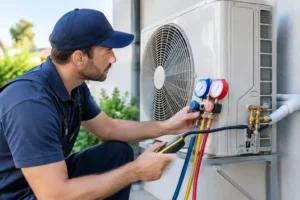
You notice it first when the room never quite reaches the temperature you set. The unit is running, the fan is blowing, but the aircon not cooling properly means your home, office or shop still feels warm, stuffy and uncomfortable. That usually points to a fault, a maintenance issue, or a system that is working harder than it should.
The key thing is not to ignore it and hope it sorts itself out. Air conditioning systems rarely recover on their own. In many cases, a small issue such as a blocked filter or poor airflow can turn into a more expensive repair if the unit keeps running under strain.
Why aircon is not cooling properly
When an air conditioning system cools well, several parts are working together at the same time. Air needs to move freely across the indoor coil, refrigerant needs to circulate at the right pressure, heat needs to escape outdoors, and the controls need to read the room accurately. If one part slips out of line, performance drops.
That is why the same symptom can have very different causes. A wall unit in a house may struggle because the filter is clogged. A commercial system may appear to be failing when the real problem is a sensor fault, a refrigerant leak, or an outdoor condenser blocked with dirt and debris. The answer depends on the age of the system, how often it is maintained, and how heavily it is used.
Start with the simple checks
Before assuming the worst, it is worth ruling out the obvious. First, check the thermostat setting. It sounds basic, but systems are often left in fan mode rather than cooling mode, or the set temperature is higher than expected.
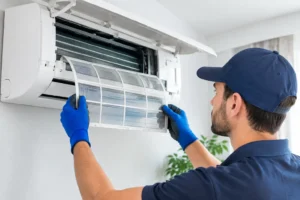
Next, look at the air filter if your unit has one that is easy to access. A dirty filter restricts airflow and makes it much harder for the system to remove heat from the room. In smaller systems, this alone can cause a noticeable drop in performance.
Also pay attention to doors, windows and heat sources. If the room is taking in warm air all day or large equipment is generating extra heat, the unit may not be faulty at all – it may simply be losing the battle against the load on the space.
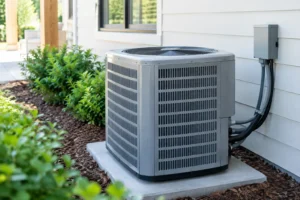
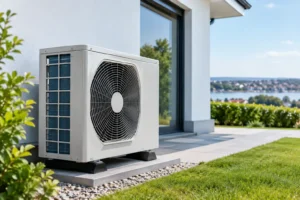
If the outdoor unit is visible and safely accessible, see whether it is covered in dirt, leaves or other debris. Condensers need free airflow to reject heat. If that process is compromised, cooling suffers indoors.
Poor airflow is one of the most common causes
If cool air is weak, inconsistent or barely reaching parts of the room, airflow is often the issue. Blocked filters are one cause, but not the only one. Indoor coils can become dirty over time, fan motors can wear, and vents can be obstructed by furniture or stock in commercial settings.
Poor airflow matters because the system cannot transfer heat efficiently. You may still hear it operating, but the room temperature drops slowly or not at all. In some cases, airflow problems can also lead to the indoor coil icing up, which makes cooling even worse.
This is where regular servicing makes a real difference. A maintained system tends to cool faster, run more efficiently and suffer fewer breakdowns during warm weather, when you need it most.
Refrigerant problems need professional attention
If your aircon is not cooling properly and the air coming out feels only slightly cool or even close to room temperature, low refrigerant may be part of the problem. Refrigerant is what allows the system to absorb and release heat. If levels are low, cooling capacity drops.
Low refrigerant is not something that should happen in normal operation. Air conditioning is a sealed system, so if the charge is low, there is usually a leak somewhere. Topping it up without finding the cause is only a temporary fix and often a false economy.
Signs can include longer run times, higher electricity use, ice on the pipework or indoor coil, and reduced cooling even when the unit seems to be on constantly. This is not a DIY job. Refrigerant faults need proper testing, safe handling and repair by a qualified engineer.
Electrical and control faults can be misleading
Some cooling issues are not mechanical at all. Sensors, thermostats, circuit boards and capacitors can all affect how the system behaves. A unit may start and stop too quickly, fail to bring on the compressor, or misread the room temperature.
From the outside, this can look like weak cooling, but the real problem is that the system is not being told to operate correctly. These faults are especially frustrating because the unit can appear half functional. It runs, makes noise, and moves air, but never achieves proper comfort.
That is why a proper diagnostic visit matters. Guesswork leads to wasted time and unnecessary parts.
Frozen coils are a warning sign
If you see ice on the indoor unit, refrigerant lines or evaporator coil, switch the system off and get it checked. Ice does not mean the unit is cooling brilliantly – it means something is wrong.
Frozen coils usually point to restricted airflow, low refrigerant, or sometimes fan-related faults. While the ice is present, the system cannot cool properly because the coil is no longer transferring heat as it should. If left running in that state, you risk further damage.
Once the ice melts, people often think the problem has gone away because the unit starts working again for a while. Usually, it returns. The underlying fault still needs attention.
It may be the wrong system for the space
Not every cooling problem is caused by a breakdown. Sometimes the air conditioning system is undersized for the room or has been installed in a space that has changed since the original fit-out. An extension, extra glazing, more equipment, or higher occupancy can all increase the cooling demand.
In commercial properties, this is particularly common. A system that once coped well in a small office may struggle after layout changes, more staff, or additional IT equipment. In homes, loft conversions, open-plan areas and sun-facing rooms can create similar issues.
This is where experience matters. A good contractor will not just look for faults. They will also assess whether the system is actually matched to the environment and whether a repair, upgrade or redesign makes more sense.
When to call an engineer
If basic checks do not solve it, call an engineer sooner rather than later. That is especially true if the unit is making unusual noises, leaking water, icing up, tripping electrics, or running constantly without lowering the temperature.
A professional inspection can identify whether the issue is minor maintenance, a component failure, or a larger performance problem. It also helps avoid the common mistake of replacing parts that are not actually at fault.
For homeowners, landlords and businesses, speed matters. An underperforming unit affects comfort, productivity and, in some settings, equipment reliability. In customer-facing spaces, it can also affect how the property is perceived.
How to reduce the chance of future cooling problems
The most reliable way to avoid repeat issues is regular maintenance. Air conditioning systems work hard, especially during warmer periods and in busy commercial environments. Dust builds up, components wear, drains can block, and performance gradually falls away unless the system is checked.
Routine servicing helps catch small faults before they become disruptive. It also keeps the unit cleaner, more efficient and more dependable over the long term. That usually means lower running costs and fewer emergency repairs.
There is also a practical point here. If your system only gets attention once it stops cooling, you are always reacting at the worst time – usually when you need it most. Planned maintenance gives you more control.
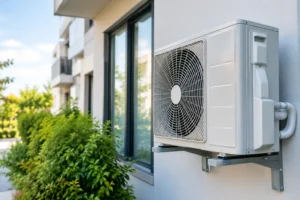
For property owners across Essex, whether it is a domestic wall-mounted unit or a larger commercial installation, a straightforward service approach tends to save money over time. Companies such as Essex Air Conditioning see this regularly – systems that are maintained properly generally last longer and perform far better than neglected ones.
If your aircon is not cooling properly, treat it as an early warning rather than a minor annoyance. The sooner the cause is identified, the easier it usually is to put right and the quicker you get your comfort back.