A noisy air conditioner can ruin the very comfort it is meant to provide. If you are searching for the best low noise air conditioners, the right choice is not simply the model with the lowest number on a brochure. It is the system that cools your space properly, runs efficiently and stays quiet in real everyday use – whether that is a bedroom, home office, shop floor or meeting room.
For many customers, noise only becomes a priority after living with the wrong unit. A system may look good on price, but if it hums through the night or distracts staff and customers during the day, it quickly becomes a poor investment. Quiet performance matters most in spaces where people sleep, work, speak, concentrate or welcome clients.
What makes the best low noise air conditioners quiet?
Noise levels in air conditioning come down to more than one factor. The first is the type of system itself. Wall-mounted split systems are usually much quieter indoors than portable units because the compressor sits outside rather than inside the room. That one detail makes a significant difference.
Build quality matters as well. Better systems use higher-grade fans, improved insulation, stronger mountings and smarter inverter technology. Instead of repeatedly switching on at full power, inverter-driven units adjust output gradually. That often means less noticeable sound, fewer sudden bursts of noise and more consistent room temperatures.
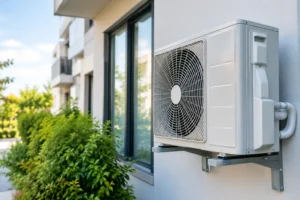
Installation quality also plays a bigger part than most people expect. Even an excellent unit can become intrusive if it is poorly positioned, mounted on a weak surface or installed without enough attention to pipework, brackets and vibration control. In practice, a quiet system depends on both the equipment and the workmanship behind it.
Best low noise air conditioners for different spaces
There is no single unit that suits every property. The best option depends on room size, usage and what kind of noise matters most to you.
Bedrooms and living spaces
For bedrooms, the priority is low indoor sound at night and steady temperature control. A quiet night mode, inverter operation and a well-sized wall-mounted split system usually give the best results. Oversized units can cycle awkwardly, while undersized units may work too hard and stay more audible for longer.
In living rooms, you may tolerate slightly more background noise during the day, but you still want a system that blends into normal life. If you need cooling for an open-plan area, a higher-capacity unit may be necessary, but it should still be selected with sound output in mind rather than cooling power alone.
Home offices
For home offices, the benchmark is different. It is not just about whether the unit sounds loud. It is about whether you notice it during calls, focused work or recording. A low quoted decibel level helps, but airflow direction is just as important. A quiet fan setting and correct placement can stop the system from blowing directly onto your desk and creating more perceived noise than the specification suggests.
Shops, salons and small commercial spaces
In customer-facing environments, noise affects the overall feel of the business. A unit that rattles, drones or blasts cold air on full fan speed can make a reception area or treatment room feel less professional. Here, the best low noise air conditioners are usually commercial-grade split systems with stable output and proper zoning for the space.
Offices and meeting rooms
In offices, especially where people are on calls or in meetings, consistency is key. A unit that starts and stops sharply can be more distracting than one with a slightly higher average sound level but smoother operation. This is why premium systems often justify their cost. They tend to manage load more intelligently and operate with fewer abrupt changes.
Portable vs split systems
If quiet operation is the goal, portable units are rarely the best answer. They are convenient, and in some short-term situations they may be the only practical option, but they are generally much noisier because the compressor is inside the room. Even so-called quiet models can sound intrusive in a bedroom or office.
Split systems are usually the better long-term choice. Because the noisiest components are installed outdoors, indoor units can run at very low sound levels, particularly once the room reaches the target temperature. They also tend to be more efficient, more effective and better suited to regular use.
That does not mean every split system is automatically quiet. Entry-level products can still produce noticeable fan noise, and poor installation can undo the benefit. But if you are serious about comfort, split systems are where most of the best options sit.
Features worth paying attention to
When comparing models, sound output should be looked at alongside several practical features. The quietest figure in the brochure is often based on the lowest fan setting, which may not reflect real use on a warm day.
Look for inverter technology first. This has one of the biggest impacts on day-to-day sound levels. Night mode or silent mode is also useful, especially in bedrooms. Adjustable fan speeds help because they let the unit maintain comfort without constantly running hard.
Good filtration and airflow control matter too. A system that circulates air properly can cool a room more evenly, which means less need for high fan speed. Timer settings, smart controls and zoning can also support quieter running by making sure the system only works when and where it needs to.
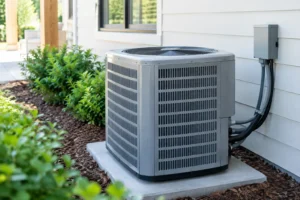
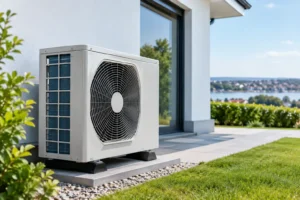
Outdoor unit noise should not be ignored either. If the condenser is going near a patio, neighbouring boundary or bedroom wall, its placement needs careful thought. A well-chosen indoor unit can still become a problem if the external equipment is badly sited.
Why installation matters as much as the model
Customers often focus heavily on brands and specifications, but noise complaints are just as often linked to installation issues. A bracket fixed to the wrong surface, pipework under strain or poor condensate routing can all add vibration and unwanted sound.
Correct sizing is equally important. A unit that is too small may run continuously at high output. A unit that is too large may cool the room too quickly, shut down, then restart more often than it should. Neither outcome is ideal for comfort or quiet operation.
This is why a proper survey matters. The room layout, insulation levels, glazing, ceiling height and usage pattern all affect the recommendation. In homes and businesses across Essex, this is often the difference between a system that feels discreet and one that becomes a daily irritation.
What to expect from quieter premium systems
Premium air conditioning systems usually cost more upfront, but there are reasons many buyers choose them. They are often quieter at low and medium fan speeds, better at maintaining stable temperatures and more refined in how they ramp up and down. You are not only paying for a badge. In many cases, you are paying for better engineering.
That said, not every property needs the top end of the market. For a spare room or occasional-use space, a good mid-range system may be more than enough. The right choice depends on how often the room is used, how sensitive you are to noise and whether long-term running costs matter as much as purchase price.
For landlords and commercial property managers, reliability also deserves weight in the decision. A quiet unit that becomes noisy after a short period due to poor durability is no bargain. Consistent performance, available parts and proper maintenance support all matter.
How to choose the right quiet air conditioner
Start with the room, not the brochure. Think about when the space is used, who uses it and what kind of sound would become annoying. A bedroom has different priorities from a server room, beauty salon or open-plan office.
Then consider system type, sound ratings at different settings, energy performance and brand quality. Ask where the outdoor unit will sit and whether the indoor airflow can be directed sensibly. Most importantly, make sure the installer is assessing the whole environment rather than simply fitting the unit you first asked about.
If you want the best low noise air conditioners, the most reliable route is expert guidance backed by proper installation. Essex Air Conditioning works with homeowners and businesses who want cooling that performs well without dominating the room. Quiet comfort is achievable, but only when the system, layout and installation all work together.
A good air conditioner should be felt far more than it is heard, and that is usually the clearest sign you have chosen well.