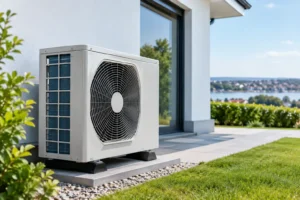
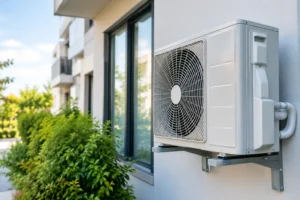
A cooling system that runs constantly, struggles to reach its set temperature or leaves certain rooms noticeably warmer is not simply an inconvenience. It is often a sign that you are paying more than necessary to cool your premises. Knowing how to reduce business cooling costs starts with looking at the whole picture: the equipment, controls, building layout, maintenance standard and day-to-day use.
For offices, shops, salons, restaurants, warehouses and other commercial spaces across Essex, the goal is not to use less cooling at the expense of comfort. It is to deliver the right level of cooling, in the right areas, at the right times. That protects staff productivity, customer experience and the condition of heat-sensitive stock while keeping energy spend under control.
Start with the running hours
The simplest savings are often found in the way an existing system is operated. Air conditioning should not be cooling an empty building for hours before opening, or continuing long after the final staff member has left. Review timers, schedules and manual overrides, particularly after changes to opening hours, shift patterns or occupancy.
A system may need a short pre-cooling period on very warm days, especially in south-facing spaces with large areas of glazing. However, setting it to run all day as a precaution is rarely the most efficient answer. Well-programmed controls allow the system to respond to the actual needs of the premises rather than an outdated timetable.
Temperature settings matter too. Setting the cooling target extremely low does not cool a room faster. It simply makes the system work for longer and can create complaints from people sitting near indoor units. For most commercial environments, a sensible, steady setpoint provides better comfort and lower energy use than repeated adjustments throughout the day.
Keep conditioned air where it belongs
A great deal of cooling can be lost before there is any issue with the air conditioning equipment itself. Open doors, poor window seals, damaged insulation and frequent deliveries can all allow warm outdoor air into a cooled space. The result is a system that appears undersized when it is actually being asked to cool the street, loading area or corridor as well as the room.
For customer-facing premises, automatic door closers, entrance lobbies or air curtains can make a meaningful difference where doors open regularly. In offices and retail units, blinds, solar-control film or external shading can reduce solar gain through windows. These measures are particularly useful in spaces that become uncomfortable in the afternoon despite cooling running continuously.
It also helps to consider internal heat sources. Servers, refrigerators, catering equipment, lighting and densely occupied meeting rooms all add heat to a building. Moving a printer out of a small office, replacing older lighting or improving ventilation around heat-producing equipment may reduce the burden placed on the cooling system.
Do not overlook routine maintenance
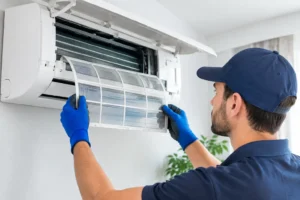
Blocked filters, dirty coils and restricted airflow are common reasons for rising cooling costs. When air cannot move properly through an indoor or outdoor unit, the system must work harder to achieve the same result. It can also lead to uneven temperatures, increased noise and avoidable wear on vital components.
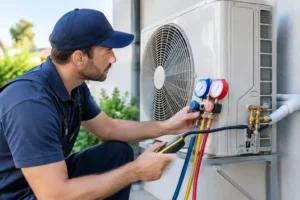
Regular commercial air conditioning maintenance typically includes checking filters, cleaning coils where required, inspecting electrical connections, confirming correct drainage and testing operating performance. The exact schedule depends on the building, usage and system type. A busy restaurant or salon may require more frequent attention than a lightly used office, while sites with dusty work areas need particular focus on filters and airflow.
Maintenance is not only about avoiding a breakdown in the middle of summer. It gives technicians the chance to identify declining performance before it becomes an expensive repair or a major increase in energy consumption. A unit can still blow cool air while operating far less efficiently than it should.
Signs that your system may be wasting energy
Arrange an assessment if you notice several of the following issues:
- Rooms take longer than usual to cool or never feel consistently comfortable.
- Staff regularly alter the thermostat because temperatures vary across the premises.
- Energy bills rise without a clear increase in occupancy or operating hours.
- Indoor units leak, smell stale, make new noises or show signs of poor airflow.
These symptoms do not always mean the system needs replacing. In many cases, a repair, clean, control adjustment or targeted improvement can restore more efficient operation.
Use zoning and controls to cool only occupied areas
One thermostat for an entire premises can be an expensive compromise. A sunny reception, a meeting room full of people and a quiet back office rarely need the same amount of cooling at the same time. Zoning gives you greater control by allowing separate areas to operate according to their use and heat load.
This can be achieved through appropriately designed multi-split, VRF or ducted systems, or through improvements to existing controls. The best option depends on the property and current installation. For a small office, separate control of meeting rooms and main work areas may be enough. For a larger commercial building, more detailed zoning and central controls can provide a clearer view of energy use and operating faults.
Smart controls can also prevent common waste. They can limit extreme temperature settings, provide timed schedules, alert managers to unexpected operation and reduce reliance on staff remembering to switch equipment off. Technology should support practical management, not complicate it. Controls need to be easy for the people on site to understand and use correctly.
Choose efficient equipment when replacement is justified
Older air conditioning units can remain reliable for years, but efficiency standards and control options have improved considerably. If a system needs frequent repairs, uses outdated refrigerant, cannot maintain comfort or has become expensive to run, replacement may offer better long-term value than continuing with reactive fixes.
The right replacement is not automatically the largest or most powerful unit. Oversized equipment can short-cycle, wasting energy and creating unstable temperatures. Undersized equipment may run flat out during warm weather and still fail to cool the space effectively. A professional survey should account for floor area, ceiling height, glazing, insulation, occupancy, equipment heat gains, ventilation requirements and how each area is used.
High-efficiency inverter systems are particularly valuable because they can adjust their output as conditions change rather than simply switching fully on and off. For businesses that need cooling for much of the year, this can improve comfort and reduce running costs. Many modern systems can also provide efficient heating in cooler months, although the suitability of this approach depends on the building and existing heating arrangements.
Measure before making major decisions
Do not rely on assumptions about where cooling costs are coming from. Compare electricity bills across similar months, check changes in operating hours and speak to staff about persistent hot spots. If possible, review separate energy data for air conditioning or major zones rather than looking only at the whole-building bill.
A professional survey can identify whether the priority is maintenance, repairs, better controls, improved ventilation, changes to the building fabric or a replacement system. This matters because spending money on a new unit will not solve a problem caused by open doors, excessive solar gain or poor system scheduling.
For commercial property operators in Essex, Essex Air Conditioning can assess existing equipment and provide clear, practical recommendations based on the premises rather than a one-size-fits-all answer. The aim should be dependable cooling that supports your operation without unnecessary energy waste.
The most effective savings usually come from a series of sensible improvements, not one dramatic change. Start with the settings and maintenance standard, address obvious heat gains, then make larger investment decisions using real evidence from your building. That approach keeps your premises comfortable now and gives every pound spent on cooling a clearer purpose.